
NEW YORK, April 16, 2026, 13:33 (EDT)
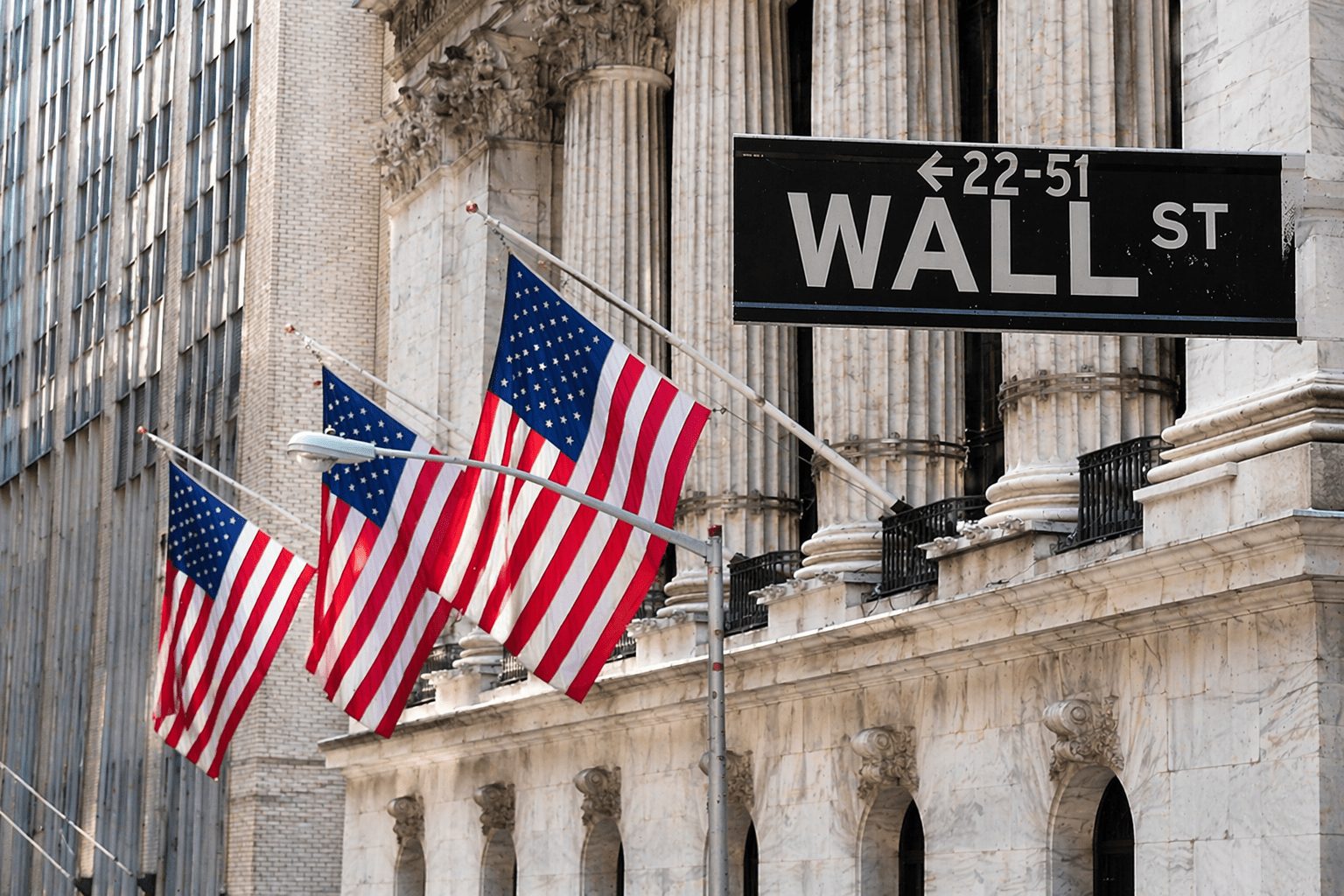
The S&P 500 and Nasdaq pushed to new intraday records Thursday, with Wall Street staying in rally mode amid optimism that Middle East tensions could cool. As of 11:38 a.m. ET, the S&P 500 had climbed 0.27% to 7,041.34, while the Nasdaq advanced 0.38% to 24,106.40. The Dow inched up, adding 0.06% to reach 48,494.13.
That’s significant: U.S. stocks bounced hard, reversing what had threatened to be a steeper March drop as war worries intensified. The S&P 500 finished Wednesday at a record 7,022.95, wiping out its war-era losses. It had been down almost 9% from January’s high.
Earnings are in focus. Reuters said over 80% of companies reporting so far have topped forecasts, with Bank of America and Morgan Stanley posting robust quarters—fuel for Wednesday’s record highs, despite Brent and U.S. crude both holding under $100 a barrel.
Gabriel Shahin, CEO at Falcon Wealth Planning, noted plenty of investors saw the March dip as an entry point. Jeff Schulze from ClearBridge Investments pointed out that markets don’t usually wait for all the facts—right now, he said, “the path of least resistance” is still higher. Reuters
Even so, the rally showed some weak patches. After the bell, trading got jumpy. Melissa Brown, managing director of investment decision research at SimCorp, called the uptick “more sentiment-based than fundamentally driven.” Reuters
Trading in individual stocks varied. PepsiCo climbed as the company beat quarterly expectations and reaffirmed its full-year forecast, crediting snack price reductions and more stable soda sales. Abbott shares dropped on a lowered 2026 profit outlook. Charles Schwab reported record-setting quarterly profit, announced spot crypto trading plans, but still ended lower.
Tech kept driving the action. New guidance upgrades from TSMC and ASML underscored that the AI chip boom isn’t letting up for suppliers and designers—think Nvidia, AMD, Broadcom. TSMC Chief Executive C.C. Wei described AI demand as “extremely robust.” Reuters
Oil, though, isn’t playing along. Brent climbed 3.7% to $98.41 a barrel, while U.S. crude gained 2.4% to $93.51 as of 12:01 p.m. ET. Traders aren’t convinced talks with Iran will be enough to boost supply through the Strait of Hormuz, a route that typically handles about 20% of global oil and liquefied natural gas.
The Fed remains a factor here. New York Fed President John Williams noted the war is already pushing inflation higher, signaling it’s not the moment for clear guidance on rates. He predicted inflation would stay well above 3% in the coming months, while policymakers stick with a wait-and-see approach.
Economic signals on Thursday told a muddled story. Initial jobless claims dropped to 207,000—layoffs staying subdued—but March manufacturing output ticked down 0.1%. The Fed’s Beige Book flagged the conflict’s effects on hiring, pricing, and capital spending. Carl Weinberg at High Frequency Economics noted higher energy costs might still push companies to trim workforces.
Traders are keeping an eye on whether the diplomatic efforts stick, and if earnings momentum is enough to push the market higher from this point. Trump announced that Israel and Lebanon plan to start a 10-day ceasefire later Thursday. Next up: Netflix reports after the bell, a key moment for the Nasdaq’s rebound narrative.
Related articles: NASDAQ:NVDA


![Australia Stock Market Today 28/08/2026 [UPDATE: 13:36 AEST] [Banks and BHP Lift ASX as WAM, PEXA Sink 18%]](https://ts2.tech/wp-content/uploads/2026/08/AU-market-dashboard-2026-08-28-1334-480x384.jpg "Australia Stock Market Today 28/08/2026 [UPDATE: 13:36 AEST] [Banks and BHP Lift ASX as WAM, PEXA Sink 18%]")