
NEW YORK, May 1, 2026, 13:02 (EDT)
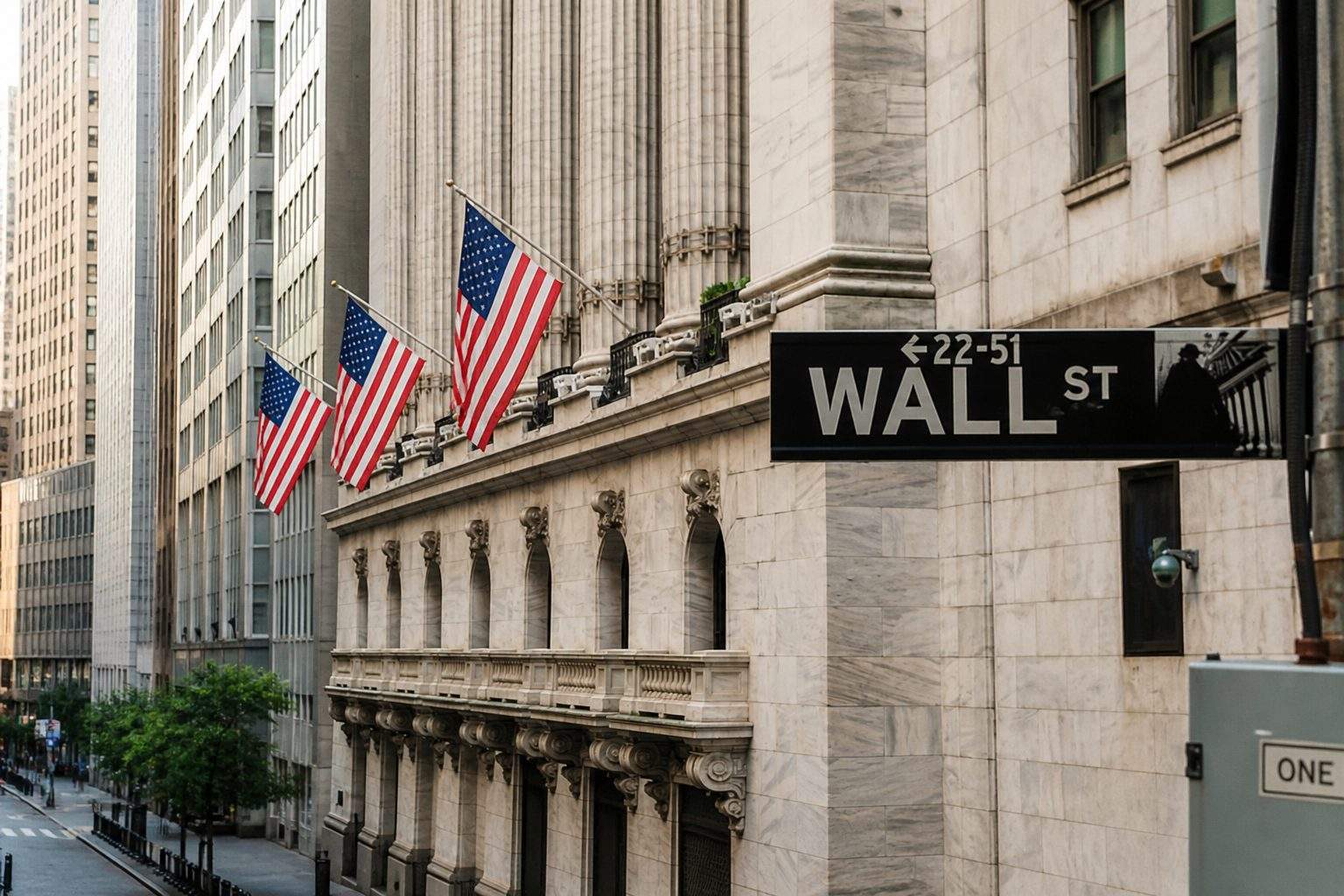
The S&P 500 and Nasdaq Composite notched new highs on Friday, carrying forward Wall Street’s April comeback. Apple and software names did the heavy lifting, more than offsetting a slight dip in the Dow. According to Reuters market data, the S&P 500 climbed 0.48% to 7,243.34, the Nasdaq jumped 0.96% to 25,131.26, while the Dow Jones Industrial Average slipped 0.11% to 49,599.01.
It’s a pivotal moment: investors are essentially betting that corporate profits will keep propping up the market, even as oil prices climb, tariffs loom, and interest rates turn less favorable. Analysts are now projecting S&P 500 earnings for the first quarter to jump 27.8% from a year ago — that’s the fastest growth since Q4 of 2021, according to LSEG IBES data.
This lands at a tricky time on the calendar. The S&P 500 and tech-focused Nasdaq just wrapped up April with their strongest monthly advances since 2020. Now, investors are left debating whether that momentum can last through the traditional “sell in May” period—historically a rough patch for stocks. Reuters
Apple grabbed the spotlight this session. The stock climbed after the company reported its biggest jump in quarterly sales in over four years, and projected continued sales growth for the current period—driven by the iPhone 17 Pro series and the budget-friendly MacBook Neo. Nabila Popal, senior research director at IDC, flagged the dilemma: Should Apple “increase prices and maintain profitability” or “gain share by not increasing prices”? Reuters
Software stocks chipped in too. Atlassian bumped up its annual revenue forecast as cloud and enterprise numbers outperformed, with Chief Financial Officer James Chuong noting “cloud revenue growth accelerated to 29% year-over-year.” That set off gains for others in the group—Salesforce, ServiceNow, Datadog—all catching a bid as investors rotated back into software after recent selloffs. Reuters
Not all growth names rallied. Reddit surged, fueled by a rosier revenue outlook linked to ad tools powered by artificial intelligence. Roblox, on the other hand, slid after trimming its forecast for annual bookings—a metric tracking anticipated platform spending ahead of recognized revenue.
Energy stocks were all over the place. Exxon Mobil and Chevron topped analyst forecasts, yet both companies felt the squeeze from Middle East turmoil and shaky oil prices. Exxon CEO Darren Woods told analysts the oil and gas supply disruption’s “full impact” hadn’t hit the market yet. Reuters
The rally’s balancing act rests on earnings, even as inflation keeps creeping higher. U.S. manufacturing didn’t budge in April; supplier deliveries actually slowed, with the Strait of Hormuz issues pushing input and raw material costs to levels not seen in four years. Carl Weinberg, chief economist at High Frequency Economics, summed it up: rising fuel prices “meant the cost of everything coming in the door has gone up.” Reuters
Tariffs threw another wrench into sentiment. President Donald Trump announced plans to hike tariffs on EU cars and trucks to 25%, accusing the bloc of failing to honor a trade agreement—a decision that threatens to ratchet up costs for both manufacturers and buyers.
The Federal Reserve is still keeping investors guessing. Some policymakers point to the oil shock as a reason to pull back from any rate-cut bias. Cleveland Fed President Beth Hammack flagged that inflation is still running broad, and pricier oil is only piling on. Higher interest rates make borrowing costlier for companies and individuals, and lift bond yields, often pressuring stocks.
Right now, investors continue to shell out for firms delivering profit growth. The real challenge looms, though: Upcoming earnings, labor-market numbers, and any shift in oil prices could tip the scales, determining if Friday’s record streak turns into a wider May rally—or fades quickly in another burst of volatility.
Related articles: NYSE:CRM