NEW YORK, Jan 3, 2026, 12:42 ET
- U.S. markets reopen Monday after Trump said U.S. forces struck Venezuela and captured President Nicolas Maduro.
- Investors are likely to track oil prices and volatility gauges for signs of spillover into equities.
- Next week’s U.S. jobs report adds to an already busy start-of-year backdrop for markets.
U.S. stocks face a jolt when trading resumes next week after the United States attacked Venezuela and captured President Nicolas Maduro, President Donald Trump said on Saturday. Trump said U.S. officials would take control of the country until a transition. Reuters
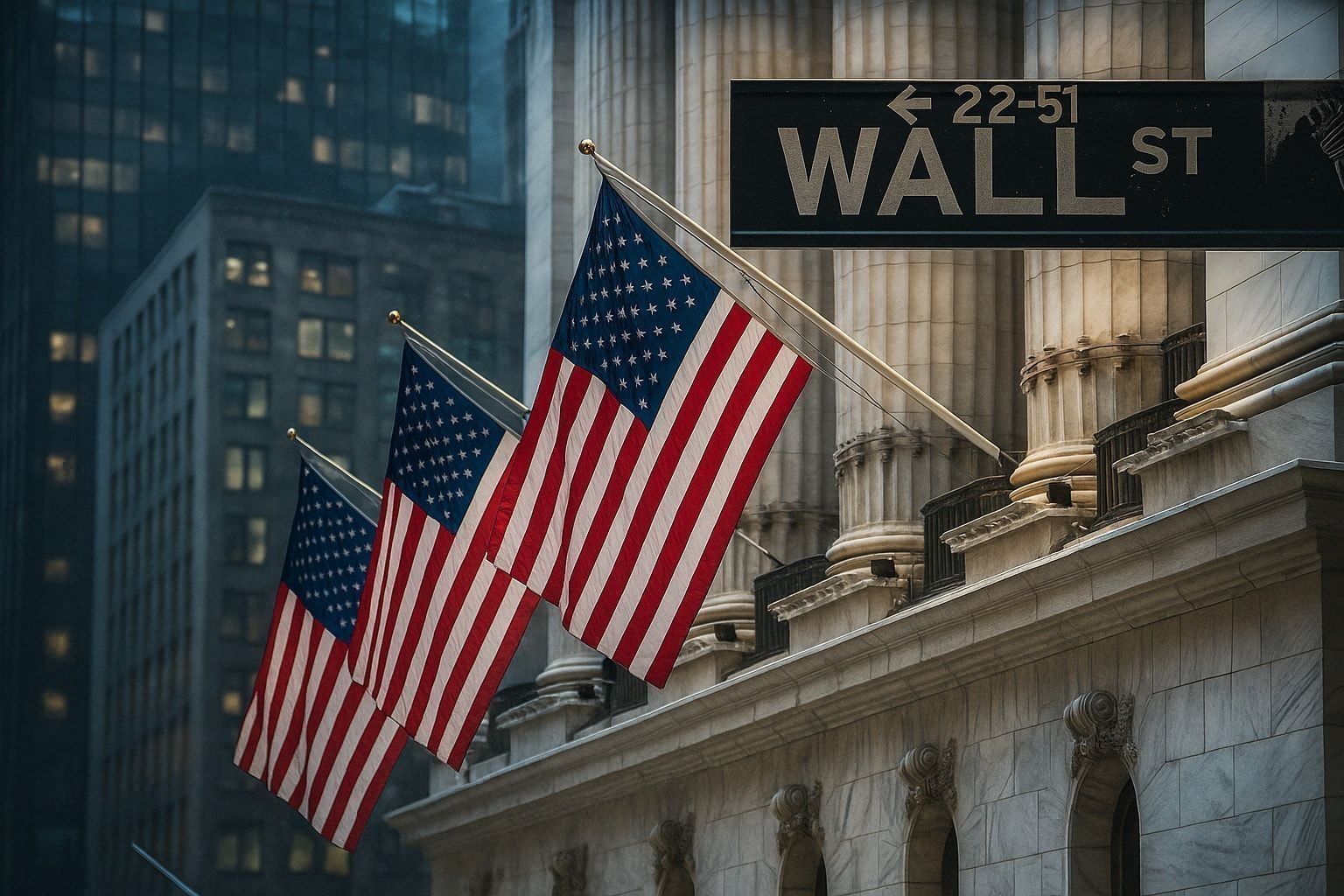
The escalation lands as investors head into the first full trading week of 2026 with the S&P 500 near record highs and the Cboe Volatility Index hovering close to its lows, according to a Reuters analysis. The monthly U.S. jobs report is the main item on next week’s economic calendar. Reuters
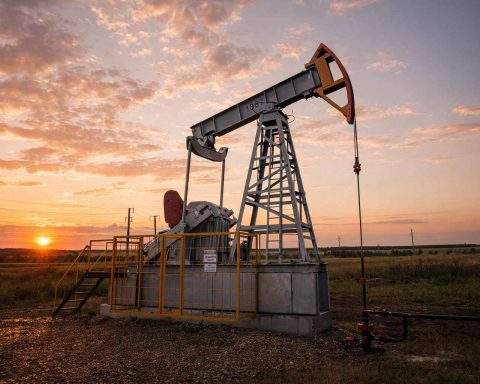
The immediate market risk is oil. Higher crude prices can feed into inflation expectations and interest rates, which in turn can squeeze richly valued stocks.
In Caracas, security forces patrolled largely empty streets after overnight explosions, while smoke was still visible near the port of La Guaira and an air base, Reuters witnesses said. The report described the operation as the most direct U.S. military intervention in Latin America since Panama in 1989. Reuters
World leaders split between condemnation and praise, adding another layer of headline risk for markets. The United Nations warned of a dangerous precedent and Russia said the United States had carried out armed aggression against Venezuela, Reuters reported. Reuters
Venezuela’s state oil company PDVSA was operating normally and suffered no damage to its production and refining infrastructure, two sources familiar with operations told Reuters. Trump’s December blockade of oil tankers entering or leaving Venezuela had already cut exports in December to about half the 950,000 barrels per day shipped in November, the report said. Reuters
“Given how quickly this unfolded, the oil markets might be the only markets to respond,” said Brian Jacobsen, chief economic strategist at Annex Wealth Management. Reuters
Before Saturday’s events, Wall Street ended its first session of 2026 little changed, with the Dow up 0.66% and the S&P 500 up 0.19% on Friday while the Nasdaq slipped 0.03%, Reuters reported. Chipmakers helped steady the market, even as several heavyweight tech names fell. Reuters
Traders call a retreat from risk a “risk-off” move — shifting from stocks into assets seen as safer when uncertainty rises. The reverse, “risk-on,” is a return to betting on growth.
Venezuela has the world’s largest crude reserves — about 303 billion barrels — but output averaged about 1.1 million barrels per day last year, Reuters reported. PDVSA’s joint ventures include partnerships with Chevron, Italy’s Eni and France’s TotalEnergies, and analysts said any supply boost from political change would take time. Reuters
For equity investors, that leaves a narrow set of early indicators when markets reopen: energy prices, defense-related demand and any jump in stock volatility. The broader direction will still hinge on U.S. data and interest-rate expectations.
Next week’s question for markets is whether the Venezuela operation stays contained or triggers fresh disruptions that leak into oil and inflation. In a new year reset, it will not take much to move a market that has been searching for direction.