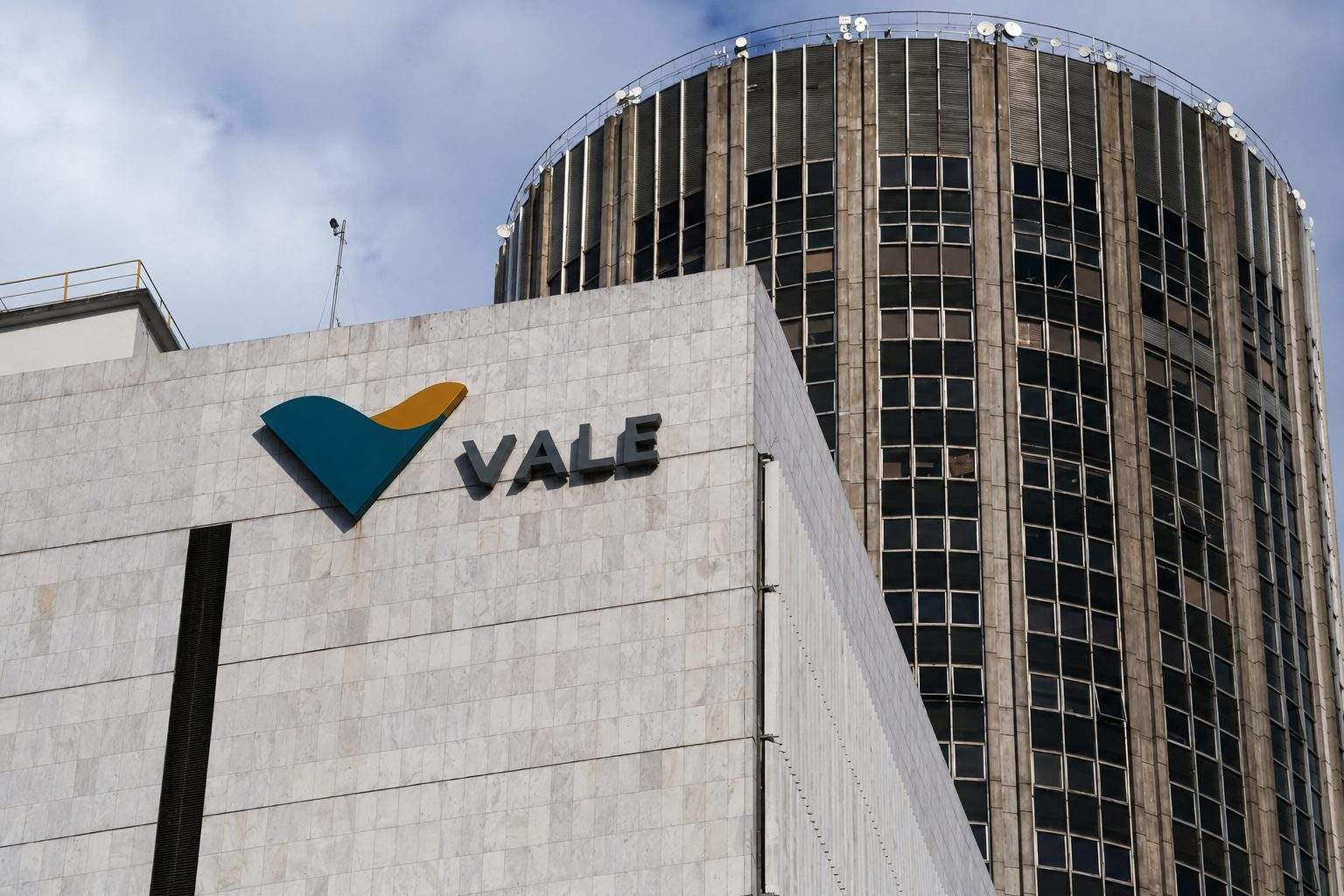

São Paulo, May 17, 2026, 18:01 BRT
- Vale shares in São Paulo closed at R$83.50 on Friday, up 0.76%. Brazil’s Ibovespa slipped 0.61% to 177,284.
- Shares rose about 2.5% last week while the benchmark index was down around 3.7%.
- Vale told U.S. regulators on May 12 it now expects its iron ore unit to deliver about $1.5 billion more free cash flow in 2026, citing market conditions following the Middle East conflict.
Vale S.A. starts the week with shares doing better than the Ibovespa after VALE3 posted a gain Friday. The miner finished the week up as the wider market dropped. B3 is closed over the weekend, so investors take the Friday close on VALE3 into Monday. Regular B3 trading runs Monday through Friday in São Paulo.
Vale is behaving more like a leveraged iron ore trade than a typical index stock at this point. Iron ore was at $110.77 a tonne on May 15, close to its 52-week high of $111.42. That is supporting hopes for cash generation, even as Brazilian shares have fallen.
Vale put out a filing on May 12, spurring the latest move in the stock. The company said its Iron Ore Solutions segment could add about $1.5 billion in extra free cash flow for 2026. That includes roughly $1.2 billion from stronger EBITDA—earnings before interest, tax, depreciation and amortization, which Vale uses as a simple stand-in for operating profit. Free cash flow comes after the company’s business and capital spending.
Iron ore prices were back in focus for the market. Vale’s local stock ended Friday at R$83.50, higher than R$82.87 in the last session and up from R$81.49 on May 8. The Ibovespa dropped over the week to 177,284 points, down from 184,108.
Vale posted a 36% jump in first-quarter net profit to $1.89 billion, falling short of the $2.05 billion analysts surveyed by LSEG had forecast. Adjusted EBITDA came in at $3.83 billion, up 23% but also below estimates. CEO Gustavo Pimenta said in the earnings release it was “a solid start to 2026.” Reuters
China brought in $4.37 billion of Vale’s $9.26 billion net operating revenue in the first quarter, Vale’s data shows. The company’s stock keeps tracking Chinese steel demand, with China’s pull now tied straight to the bottom line instead of only showing up in macro stories.
Vale is back ahead of Rio Tinto in Australia. The miner put out 336.1 million metric tons of iron ore in 2025, Reuters said in January, topping the output at Rio’s Pilbara operations for the first time since 2018. Rio’s total iron ore production, counting its Canadian mines, was still slightly higher than Vale’s.
Freight costs are a factor in the trade as well. Vale is looking to boost its fleet of sail-equipped iron ore carriers to at least 20 within three years, more than doubling its current number, with the goal of using less fuel on Asia routes. Rafael Fischer, Vale’s general manager for shipping, told Reuters that “energy efficiency” is helping reduce how much the company gets hit by swings in bunker-fuel prices, and said Vale relies on innovation to make up for what he called a “geographic disadvantage” versus miners in Australia. Reuters
The risk is clear. China’s construction cycle tied to property is still sluggish, and Reuters has reported ongoing drops in real estate investment and headaches for steel, cement and other building materials. Vale said first-quarter numbers saw a drag from a stronger Brazilian real and higher costs, so another dip in iron ore or a stronger local currency could squeeze cash flow fast.
Vale is set for another test this week as traders look to see if the stock keeps breaking away from the Ibovespa. Iron ore near $110 a tonne will be in focus too. Moves may hinge more on China demand, fuel costs, the Brazilian real, and what shows up in Monday’s São Paulo order book than on any company news.
Related articles: Stock Market