
New York, January 14, 2026, 05:25 ET — Premarket
- Visa shares tumbled in the last session as investors adjusted for rising political risks impacting the card ecosystem.
- Banks and analysts cautioned that a rate cap might restrict credit availability, despite payment networks not generating interest income.
- Traders await further details from Washington ahead of the proposed January 20 start date.
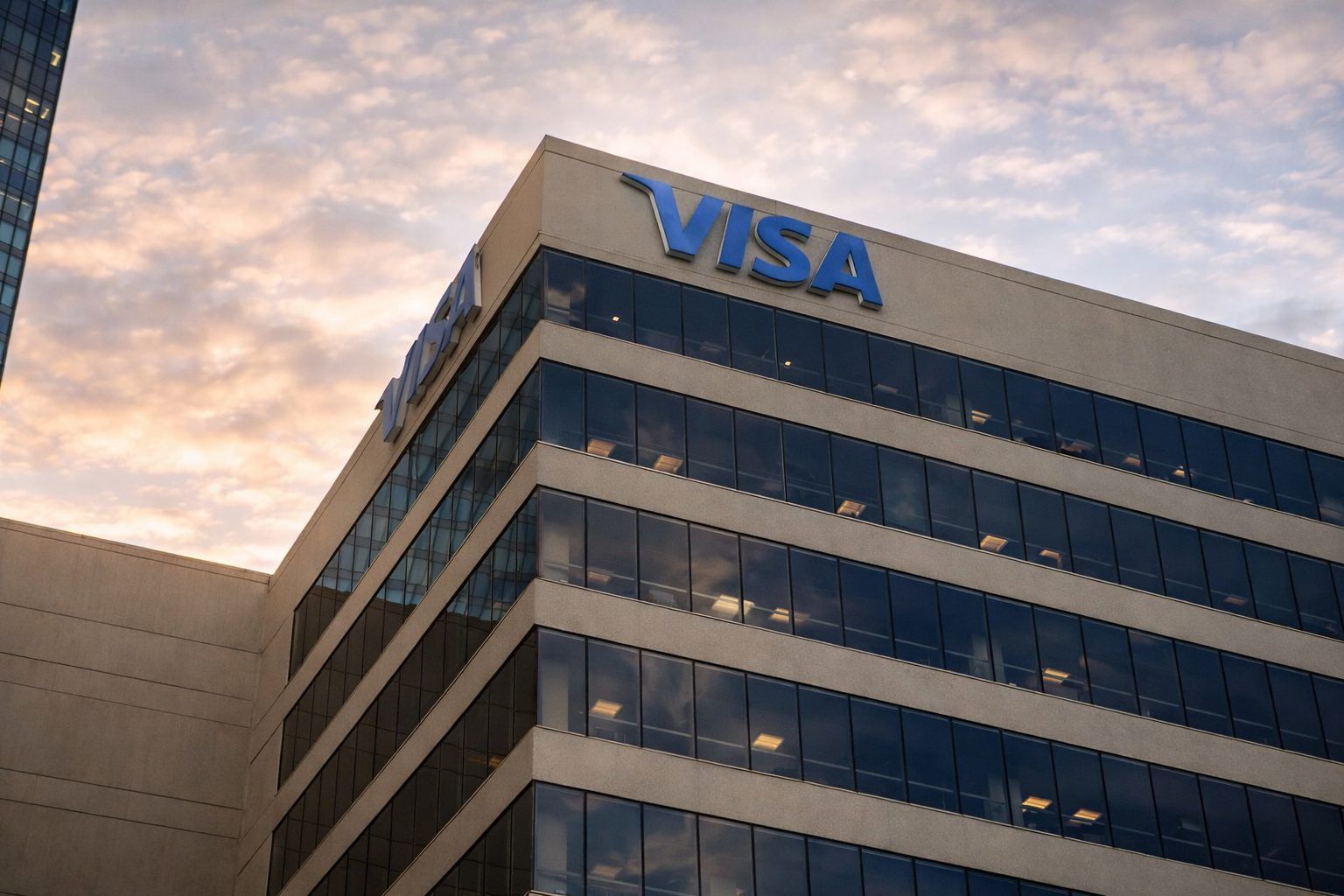
Visa Inc shares dropped 4.5%, ending Tuesday at $327.88. The move was notable for a Dow component, following renewed White House pressure on credit-card fees that rattled payments stocks.
The selloff boils down to one key factor: President Donald Trump proposed a one-year cap of 10% on credit-card interest rates starting Jan. 20, effectively setting a legal maximum on what issuers can charge. JPMorgan’s Chief Financial Officer Jeremy Barnum slammed the plan as “very bad for consumers,” warning the bank would have to scale back credit availability. Trump also backed reducing card “swipe fees” — the fees merchants pay to process transactions. Reuters
Visa cares because the policy affects its business upstream. On Monday, Visa and Mastercard dropped 1.8%, even though the rate cap would hit lenders’ interest income directly. Card-heavy lenders like Capital One, Bread Financial, and Synchrony slid between 8% and 11%, Reuters reported. UBS Global analysts said putting rate caps in place would require “an Act of Congress.” J.P. Morgan’s Vivek Juneja warned such a cap might push borrowers toward “more expensive debt” outside banks. Reuters
Tuesday saw the sell-off accelerate. Visa tumbled 4.5%, Mastercard slid 3.8%, and the financial sector dropped 1.8% as U.S. stocks closed lower, despite December’s consumer inflation hitting the expected 2.7% year-on-year, according to Reuters. “Financials are getting hit by Trump’s credit-card proposal,” said Tim Ghriskey, senior portfolio strategist at Ingalls & Snyder. Reuters
Credit cards remain among the priciest borrowing options, thanks to balances that can carry over month after month — what’s called “revolving credit.” Interest stacks up quickly if borrowers stick to minimum payments. Bankrate put the average credit card rate at 19.65%. Meanwhile, U.S. credit card debt hit $1.23 trillion by the end of Q3, Reuters reported. Jefferies analysts cautioned that tighter credit conditions might drag on retail sales and slow growth. Reuters
Visa doesn’t lend directly to consumers or earn interest on card balances. Its revenue comes from fees linked to payment volume, so the concern is indirect: if issuers reduce credit limits or shut accounts, spending could drop and transaction counts might decline.
The political angle complicates things further. The proposal came with scant details, leaving traders to guess how much is posturing versus actual legislation, and whether the scope will expand beyond interest rates to include merchant fees.
Investors are also watching a downside risk closely. Should the cap gain momentum on Capitol Hill, banks might swiftly tighten lending standards, hitting subprime borrowers hardest. That squeeze could weigh on card volumes, even if the networks avoid a direct hit to interest income.
Visa holders are keeping a close eye on Washington for clear signs—draft bills, industry talks, or any timeline updates. The next key date: Jan. 20, when Trump announced the rate cap would take effect.