
BENTONVILLE, Arkansas, April 27, 2026, 10:03 CDT
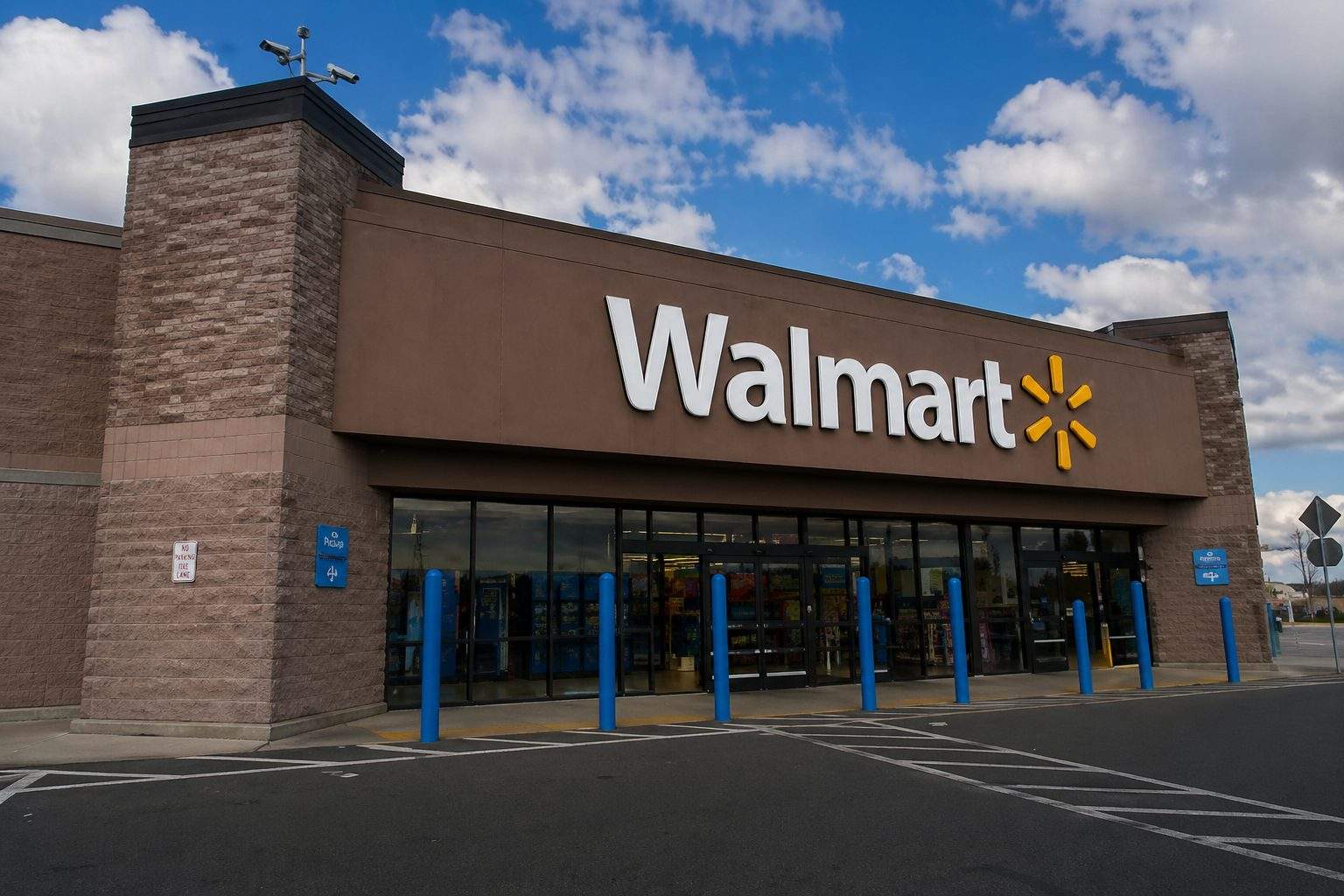
- Walmart hovered close to $129 a share on Monday, leaving its market cap stuck above $1 trillion. Investors parsed fresh signs of growth coming out of China and eyed developments in Sam’s Club delivery.
- Sam’s Club now offers Express delivery—one hour or less—at over 600 locations. Since April 2, the retailer has handled close to 65,000 Express orders.
- Walmart is growing in China, with new Sam’s Club locations and cloud warehouses rolling out as Beijing tries to boost consumer demand.
Walmart Inc. is dangling a couple of new carrots for investors—speedier home delivery, plus a bigger Sam’s Club presence in China. Both moves target what’s next for the retailer as it looks to tackle its upcoming growth challenge.
Shares hovered near the flatline Monday morning, slipping to $128.79. Market cap stayed around $1.03 trillion, an elite tier for any retailer—Walmart’s cushion for missteps keeps getting thinner.
The clock’s ticking because the stock’s already logged big gains. According to a TipRanks weekend roundup, Walmart is up about 38% in the past year. Analysts maintain a “Strong Buy” consensus and peg the average 12-month price target close to $139. Morgan Stanley’s Simeon Gutman bumped his target to $140, citing the retailer’s massive footprint, expanding marketplace, Walmart+ subscriptions, and richer-margin areas like ads. TipRanks
Walmart is doubling down on its membership-club approach in China. According to Xinhua, Jiangsu just saw a new Sam’s Club launch, with two more getting ready for a May debut in Shandong. Another location—the second in Liaoning—is currently being built. Retail sales in China climbed 2.4% during the first quarter. For 2026, boosting domestic demand sits atop the government’s work agenda.
Jinan stands out as the most obvious case. Sign-ups kicked off in January, then by late February, two cloud warehouses had launched. One-hour delivery started operating on Feb. 28. Local officials are projecting annual sales of roughly 1.5 billion yuan and 45 million yuan in tax revenue from the project.
China’s latest figures make the strategy clear. Walmart China posted $6.1 billion in net sales for the fourth quarter, a 19.3% jump from last year. E-commerce led the way, with online sales climbing 28% and now accounting for more than half the company’s total sales, according to Xinhua, which cited Walmart’s most recent quarterly report.
Stateside, Sam’s Club is betting that shoppers will pony up for more speed. The retailer rolled out a new option: one-hour-or-less delivery, priced at $10 for Plus members or $22 for the basic Club tier. There’s also a three-hour-or-less window—$5 for Plus, $17 for Club. “An even faster option” was top of mind for members, according to Greg Pulsifer, who heads e-commerce. He pointed out that the quickest 10 orders took less than 12 minutes, start to finish. Business Wire
This plays out at Costco too. Business Insider pointed out that Sam’s Club lists its club prices online, but Costco’s same-day Instacart orders usually come with marked-up item prices. Ralph Asher, who started Data Driven Supply Chain, told the outlet that if your order fits in a gig driver’s car, the cheaper per-unit cost of bulk items could tip the scales for shoppers.
Amazon’s ramped up delivery push is also in play. Back in March, Reuters broke the news: the company started offering one-hour and three-hour shipping in several major U.S. cities—think Los Angeles, Chicago—serving up a selection of 90,000-plus items. Prime members get access at $9.99 for one-hour drop-offs, or $4.99 for the three-hour window. Non-Prime? They’re paying steeper rates.
Walmart’s numbers tell the story. The retailer’s fourth-quarter report shows global e-commerce sales up 24%. Walmart U.S. e-commerce jumped 27%, and Sam’s Club U.S. e-commerce climbed 23%. Internationally, China, Walmex, and Flipkart did the heavy lifting. “Fast, convenient, and personalized” is how John Furner, Walmart’s president and CEO, described what’s next for shoppers. SEC
Risks remain. Fast delivery doesn’t come cheap, and offering one-hour service hinges on inventory, location, and whether products qualify. Neil Saunders, managing director at GlobalData, flagged the risk of customers defecting to Amazon if more shopping “missions” go unmet. Still, PYMNTS pointed to expert warnings: ramping up speed can eat into operating costs and put pressure on margins. Retail Dive
It’s not exactly smooth sailing for U.S. consumers right now. Back in February, Reuters noted that Furner kicked off his CEO stint on a cautious note, flagging that shoppers were watching their spending, especially those making under $50,000 a year who remained under pressure. Walmart’s own outlook? The retailer projected fiscal 2027 adjusted earnings at $2.75 to $2.85 per share—coming in short of what Wall Street had been looking for at the time.
Walmart’s original edge—rock-bottom pricing—is now getting a boost from convenience, bulls say. Last week, The Motley Fool pointed to the retailer’s sprawling stores and loyalty perks as a fresh advantage, arguing they’ve made shopping at Walmart simpler than ever. Longbridge/Dolphin Research, on the other hand, highlighted the company’s cost moat, citing its knack for picking store locations, controlling supply chains, and pushing private labels.
Investors are still watching to see if those elements keep syncing up. Walmart gets fresh upside from China, while one-hour delivery adds firepower stateside. The challenge: showing both growth drivers won’t chew into the margin improvements that pushed the stock into the trillion-dollar club.
Related articles: NYSE:WMT