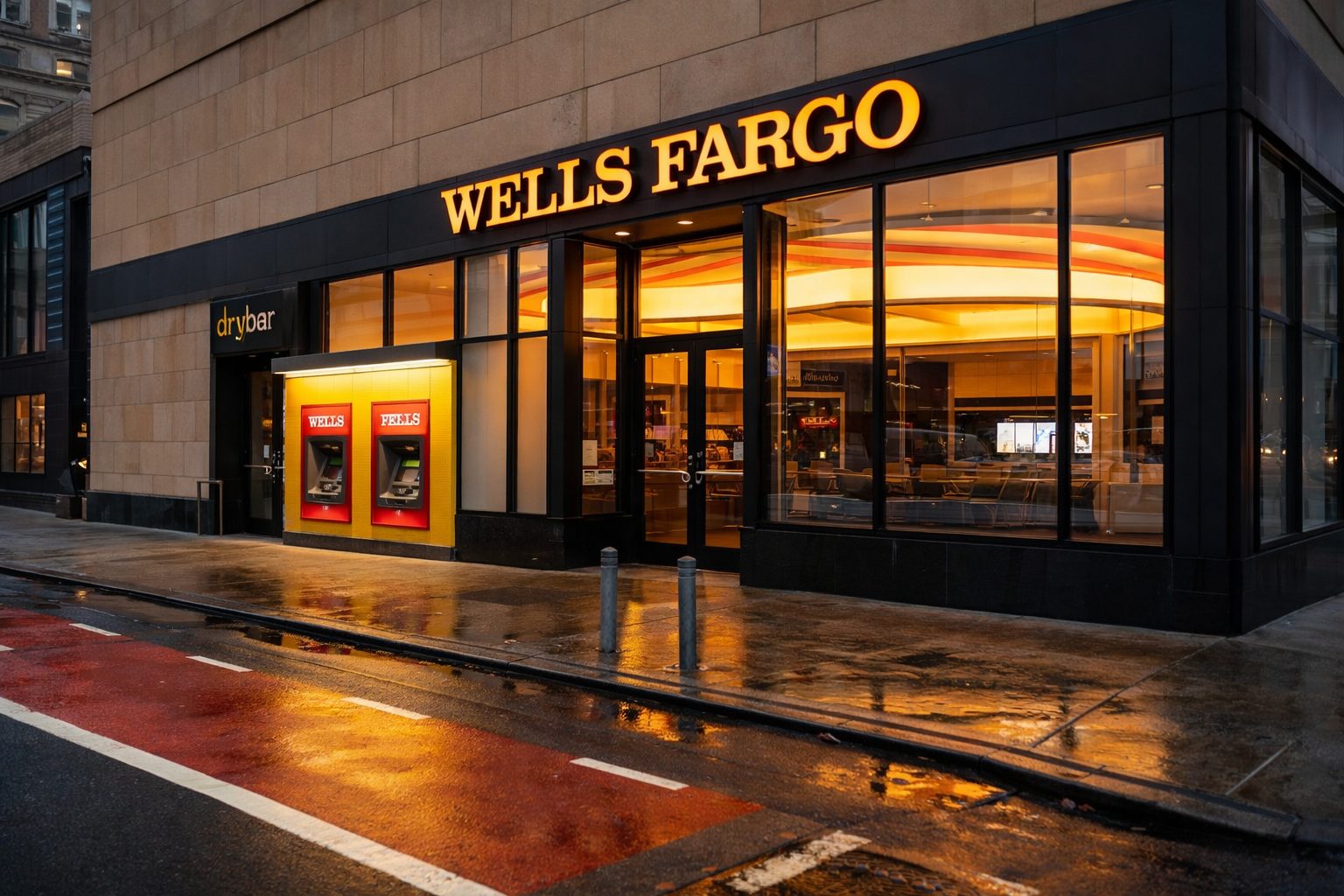
New York, January 19, 2026, 14:55 EST — Market closed
- Wells Fargo shares ended Friday’s session at $88.38, slipping 0.65%.
- Investors are focused on Jan. 20, awaiting details on President Trump’s proposal to cap credit card interest rates at 10%.
- Futures dropped after new U.S. tariff threats, layering more uncertainty before Tuesday’s reopening.
Wells Fargo shares are set to reopen Tuesday, facing a looming policy deadline for its credit-card unit after Wall Street closed Monday for the Martin Luther King Jr. Day holiday. New York Stock Exchange
The problem right now is political, not tied to quarterly results. Slapping a cap on card rates would cut into a lucrative segment of consumer banking, and it’s happening smack in the middle of earnings season, a time when investors are already on edge about what’s next.
Wells Fargo closed Friday at $88.38 on volume near 27 million shares. The bank’s investor relations site lists the dividend yield around 2% and shows the stock’s 52-week range stretching from $58.42 up to $97.76. wellsfargo.com
President Donald Trump has proposed capping credit card interest rates at 10% for one year, starting Jan. 20. Banks, however, say they still don’t have details on how the limit would be enforced. “Policy volatility is likely to create market volatility until there is a clear path forward,” said Brian Mulberry, senior client portfolio manager at Zacks Investment Management. Reuters
When it comes to households, the figures are substantial and provoke debate. The Washington Post estimates average credit card interest rates hover near 22%, with total U.S. card debt hitting $1.23 trillion. The article also points out that the proposal lacks concrete implementation details and would probably need Congress to get on board. The Washington Post
Banks, consumer groups, and lawmakers remain unsure about the White House’s intentions for Jan. 20. White House press secretary Karoline Leavitt said the president has “an expectation” and “a demand.” An AP report highlighted that lenders are still guessing on the fallout, noting early moves like fintech Bilt’s 10% promotional cap on new purchases for a year. ABC News
The mood is far from steady. Global stocks slipped, while U.S. equity futures tumbled over 1.2% after Trump warned of new tariffs on eight European countries unless the U.S. secured rights to buy Greenland. The proposed duties would kick in at 10% on Feb. 1, climbing to 25% by June 1 if no agreement is reached. “There is obviously a response … to the new tariff threats,” said George Lagarias, chief economist at Forvis Mazars. Reuters
During Friday’s cash session, Wells Fargo dipped 0.65%, JPMorgan Chase gained 1.04%, and Morgan Stanley dropped 1.12%. The mixed results highlighted just how patchy the financial sector has been, even ahead of recent policy updates. MarketWatch
Wells Fargo has struck a tone of resilience mixed with caution. On its quarterly call last week, CEO Charlie Scharf told analysts, “The economy and our customers remain resilient.” Still, the bank pointed to the ongoing credit-card cap debate as a possible drag on lending activity. Reuters
Bank stocks remain sensitive to rate moves since they influence both lending demand and net interest income — the difference between earnings on loans and costs on deposits. The Federal Reserve’s upcoming policy meeting on Jan. 27-28 offers traders a fresh milestone following the Jan. 20 rate-cap deadline. Federal Reserve
But the downside isn’t straightforward. If the White House pulls back, stalls, or settles for voluntary “low-rate” products, the initial market response could quickly lose steam. Should tariffs rise while growth slows and a rate cap pressures card economics, investors will begin pressing tougher questions on loan growth and credit losses.
Trading picks back up Tuesday, with investors keen for any official word from the White House on the 10% cap for card rates. Wells Fargo’s next public appearances are set for the UBS Financial Services Conference on Feb. 10 and its Q1 earnings report due April 14. wellsfargo.com