
New York, May 13, 2026, 09:03 EDT
- WeRide posted first-quarter revenue of RMB114.1 million, a jump of 57.6% compared with the same period last year—its highest ever for Q1.
- U.S.-listed shares for the company were pointing lower in premarket action, with losses still weighing heavily.
- The company reported its global robotaxi fleet hit roughly 1,300 vehicles as of April 30.
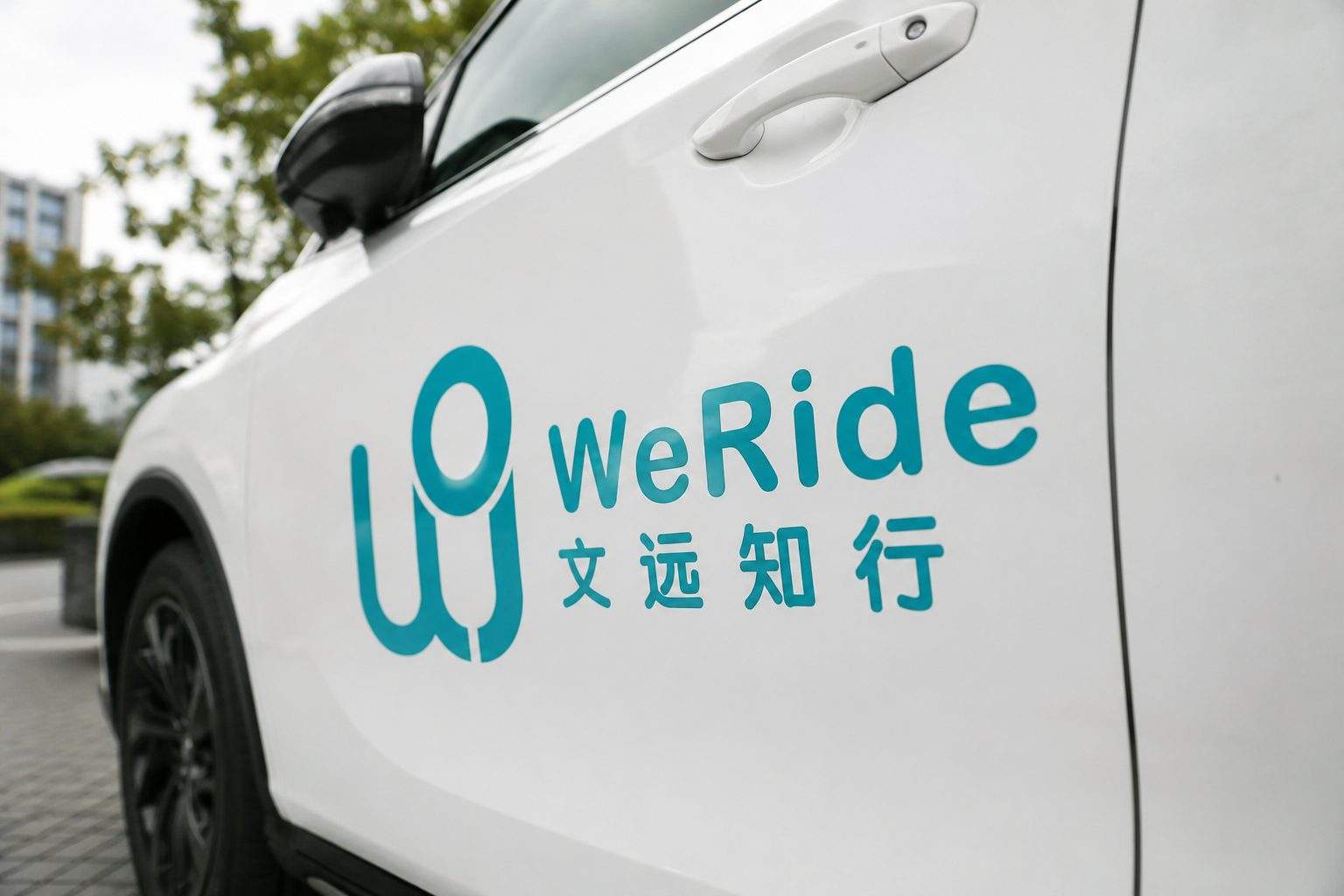
WeRide Inc. posted first-quarter revenue of RMB114.1 million ($16.5 million), a record and up 57.6%, thanks to gains in robotaxi and Level 4 vehicle sales. Despite the jump, shares trading in the U.S. lost ground in premarket action, as investors focused on the company’s ongoing heavy R&D spending. Level 4 vehicles are capable of operating autonomously within specific zones.
The report hits as robotaxi outfits face tougher conditions. Investors have shifted away from rewarding city launches and fleet numbers alone; now they’re looking for evidence that revenue from paid rides, selling vehicles, and driver-assist tech can actually offset the hefty bills for developing and testing self-driving systems.
WeRide’s American depositary shares traded at $7.16 in premarket action at 9:00 a.m. Eastern, off 7.1% from Tuesday’s $7.71 close, MarketBeat data showed.
Product revenue shot up, climbing past RMB20.5 million—more than double from before. Service revenue reached RMB93.7 million, a 49% jump. Gross profit landed at RMB39.6 million, while gross margin barely moved, holding at 34.7%.
Losses haven’t lightened much. Operating loss trimmed just 1.2%, landing at RMB431.0 million. Net loss inched up, hitting RMB389.1 million versus RMB385.1 million last year. R&D expenses climbed 11.5% to RMB363.3 million.
Founder and CEO Tony Han pointed to “continued progress” for self-driving tech and deployments this quarter. Product revenue surged 116%, fueling overall revenue gains, Chief Financial Officer Jennifer Li said, as R&D spending remained a priority. WeRide Inc.
WeRide reported its global robotaxi fleet stood at around 1,300 vehicles as of April 30, with close to 1,000 operating in China. In the first quarter, each vehicle averaged more than 17 daily orders, hitting 28 at peak times. The number of registered robotaxi users in China nearly doubled from a year earlier.
The company’s ambitions reach well beyond China. It pointed to live collaborations with Grab in Singapore’s Punggol area, fully autonomous, paid robotaxi service in Dubai—done with Uber and Dubai’s Roads and Transport Authority—and a plan to roll out 1,200 robotaxis spanning Abu Dhabi, Dubai, and Riyadh by 2027.
WeRide isn’t stopping with robotaxis. The company is pushing into advanced driver-assistance systems, or ADAS — tech that supports, not substitutes, human drivers. According to the company, its WRD 3.0 software has already landed production design wins for nearly 30 models, counting GAC and Chery among them.
Regulation and public trust aren’t always quick enough to keep up with ambitious fleet rollouts. On Tuesday, Reuters said Waymo recalled nearly 3,800 robotaxis across the U.S. due to a software problem that let vehicles drive onto flooded streets—a stumble on safety, even for a well-capitalized player.
China’s stance has tightened as well. After Baidu’s Apollo Go experienced an outage in Wuhan, regulators put a halt to new autonomous-vehicle permits, Bloomberg News reported in April via Reuters. Pony.ai and WeRide both said then that their own services were unaffected.
WeRide wrapped up March holding RMB6.22 billion across cash, time deposits, restricted cash, and select financial assets—enough to keep operations moving forward. But the spotlight now is on whether growth in commercial rides, vehicle sales, and driver-assist deals can outpace the burn before funding concerns resurface.
Related articles: Autonomous Vehicles