
Sydney, Feb 19, 2026, 17:16 (AEDT) — The market has closed.
- Wesfarmers shares took a steep dive following its half-year update, while the broader Australian market ended the day in positive territory.
- The group boosted its interim profit and raised the dividend. Still, management pointed to patchy household spending and signaled further price investment ahead.
- Attention turns to the pace of sales in the back half and the schedule for the interim dividend coming up this week.
Shares of Wesfarmers Ltd WES.AX tumbled 5.64% to close at A$84.23 on Thursday, trailing a stronger S&P/ASX 200, which added 0.88%.
Why does this hit? Wesfarmers straddles hardware, discount retail, office supplies—core spending categories. Its read on sales often sets the mood elsewhere. Plenty of investors had been hoping for a clear “better consumer” narrative; that didn’t quite materialize.
Wesfarmers reported a half-year NPAT of A$1.6 billion, up 9.3% and ahead of the Visible Alpha consensus figure of A$1.56 billion. The conglomerate also signaled coming price cuts. But it wasn’t all upbeat: early sales growth in the second half fell short of what the market had hoped for. Chief executive Rob Scott called inflation “one of the major challenges,” noting the strain isn’t even across the business. The comments followed the Reserve Bank of Australia’s recent 25 basis point rate hike, bringing the cash rate to 3.85%. Jarden and Citi analysts credited lithium for the earnings beat, but warned about “share price weakness” given the lower multiple attached to that segment. Reuters
Wesfarmers reported a 3.1% jump in revenue to A$24.212 billion for the half-year ended Dec. 31, according to its ASX statement. Statutory NPAT landed at A$1.603 billion. The board bumped up the interim dividend to 102 Australian cents per share, fully franked—so shareholders get the full tax credit. Management noted strong trading across retail divisions during the first six weeks of the second half. Since the end of the half, Wesfarmers has expanded its AI initiatives and signed new strategic partnerships with Microsoft and Google Cloud.
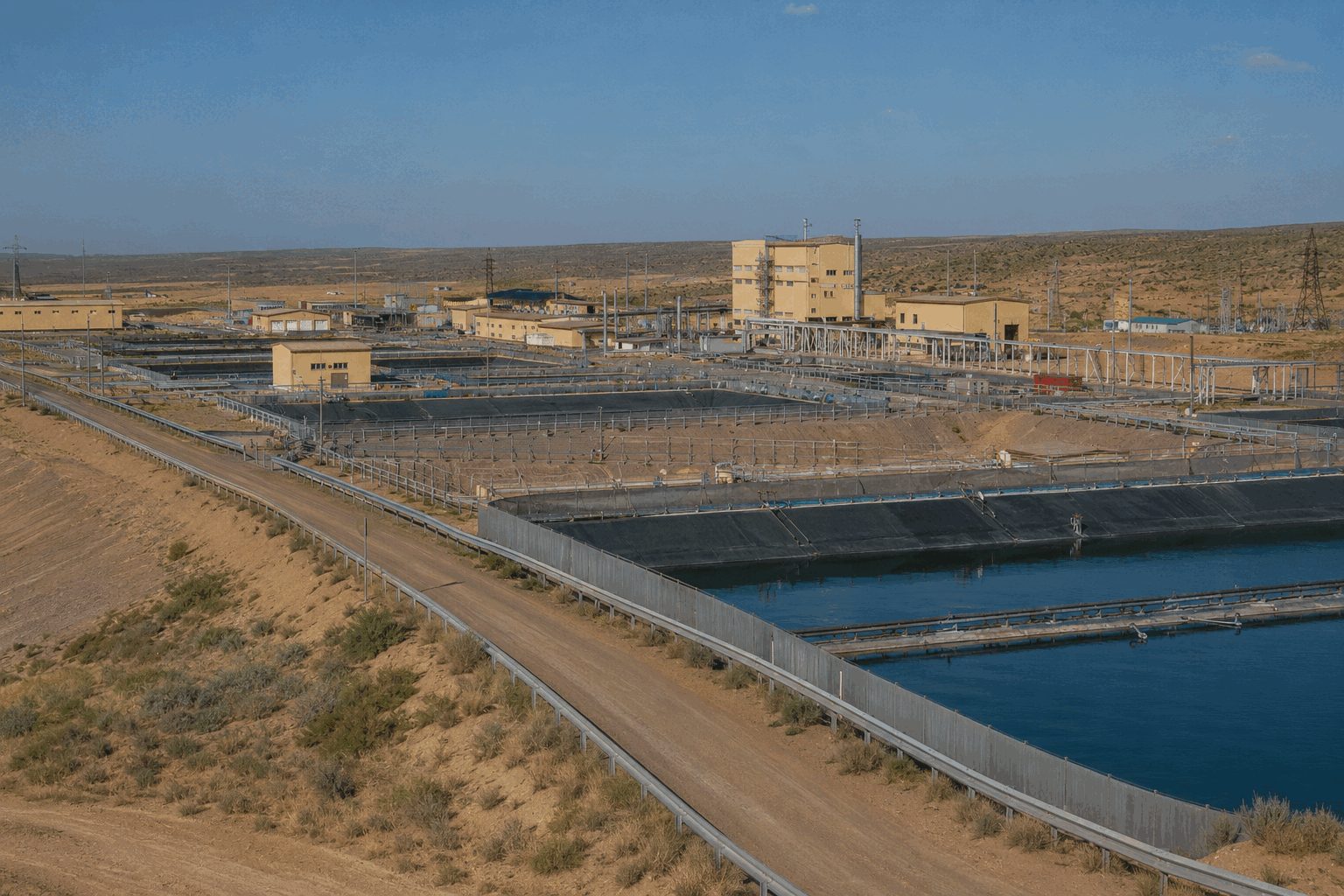
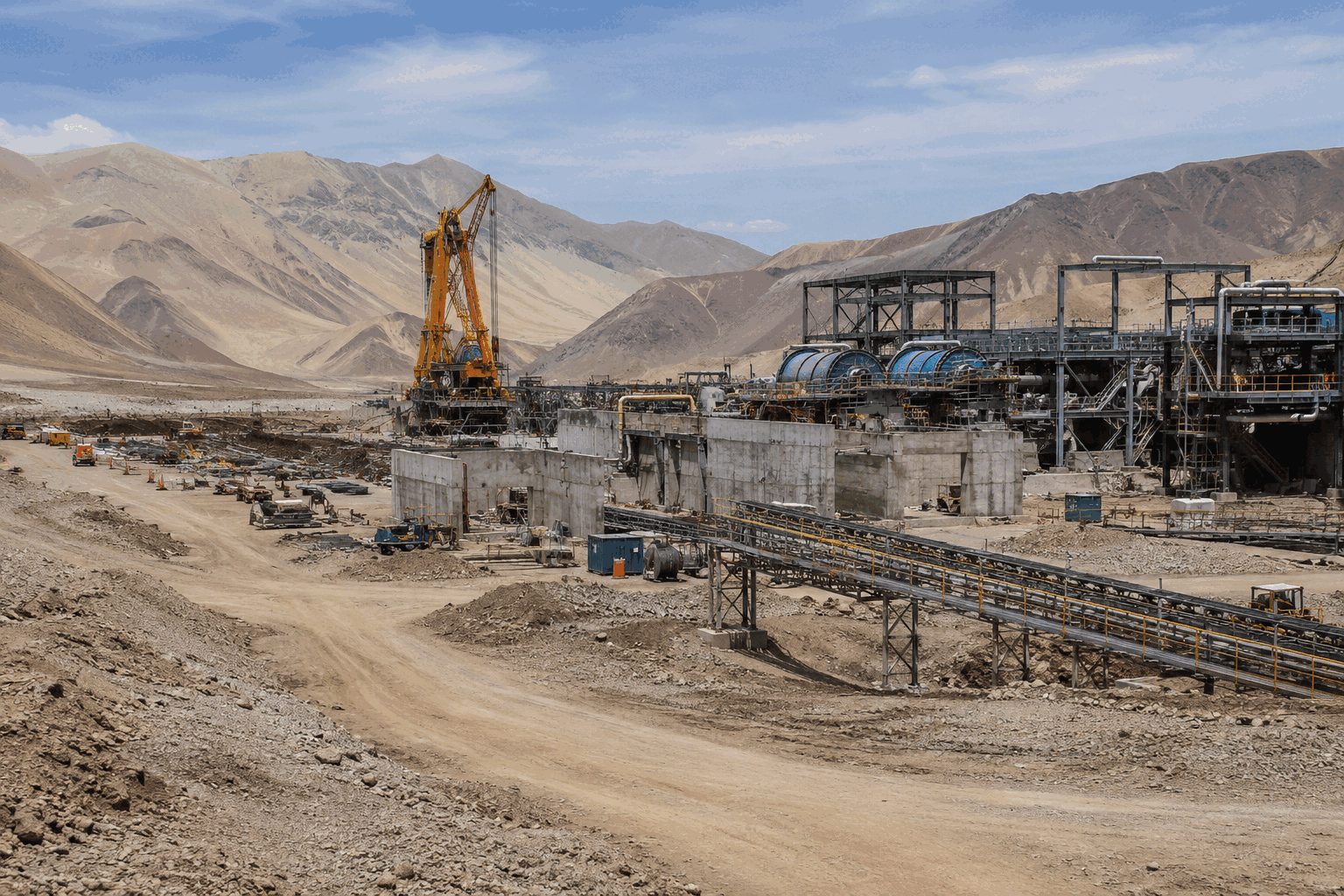
Bunnings Group posted a 5.5% jump in EBIT to A$1.465 billion on A$10.713 billion in revenue. Over at Kmart Group, EBIT rose 7.0% to A$733 million as revenue edged up 3.3% to A$6.307 billion; according to the half-year report, Kmart is set to ramp up spending on lower prices in the second half. Wesfarmers Chemicals, Energy and Fertilisers saw EBIT climb 18% to A$210 million, lifted by lithium. Officeworks’ EBIT, on the other hand, dropped to A$78 million after accounting for transformation costs. The group also noted its Covalent Lithium refinery in Kwinana has begun producing battery-grade lithium hydroxide during commissioning; however, plans for ramp-up have been pushed back as it works to resolve occasional odour problems.
Still, pushing “lower prices” comes with a tradeoff: it puts heavy pressure on costs and productivity. When expenses outpace sales growth, healthy demand alone won’t protect margins.
With the market shut, Friday brings the question of follow-through. Investors will have to decide: do they step in after the decline, or keep trimming? Broker commentary in the coming days will matter, too, particularly around second-half sales forecasts.
One thing coming up fast: Wesfarmers shares lose their dividend rights on Feb. 24, a day before the Feb. 25 record date. Payout lands March 31.
Related articles: ASX News