Perth, 16 January 2026, 20:15 (AWST)
- WA’s Coordinator of Energy has launched a special procurement process for Western Power to secure Network Support Services on 23 feeders
- Services will begin in December 2026 and operate over three summer peak periods, with capacity demands climbing to 44.4 MW by 2028-29
- Western Power is boosting its use of fauna protection devices following asset damage and outages caused by wildlife contact
Western Australia’s Coordinator of Energy has launched a special procurement process, mandating Western Power to secure Network Support Services aimed at relieving capacity issues on as many as 23 distribution feeders across seven locations in Perth and regional areas, per a Jan. 15 determination. Western Power is required to initiate an expressions-of-interest process within 20 business days. The contracted services are slated to start in December 2026 and cover three summer seasons.
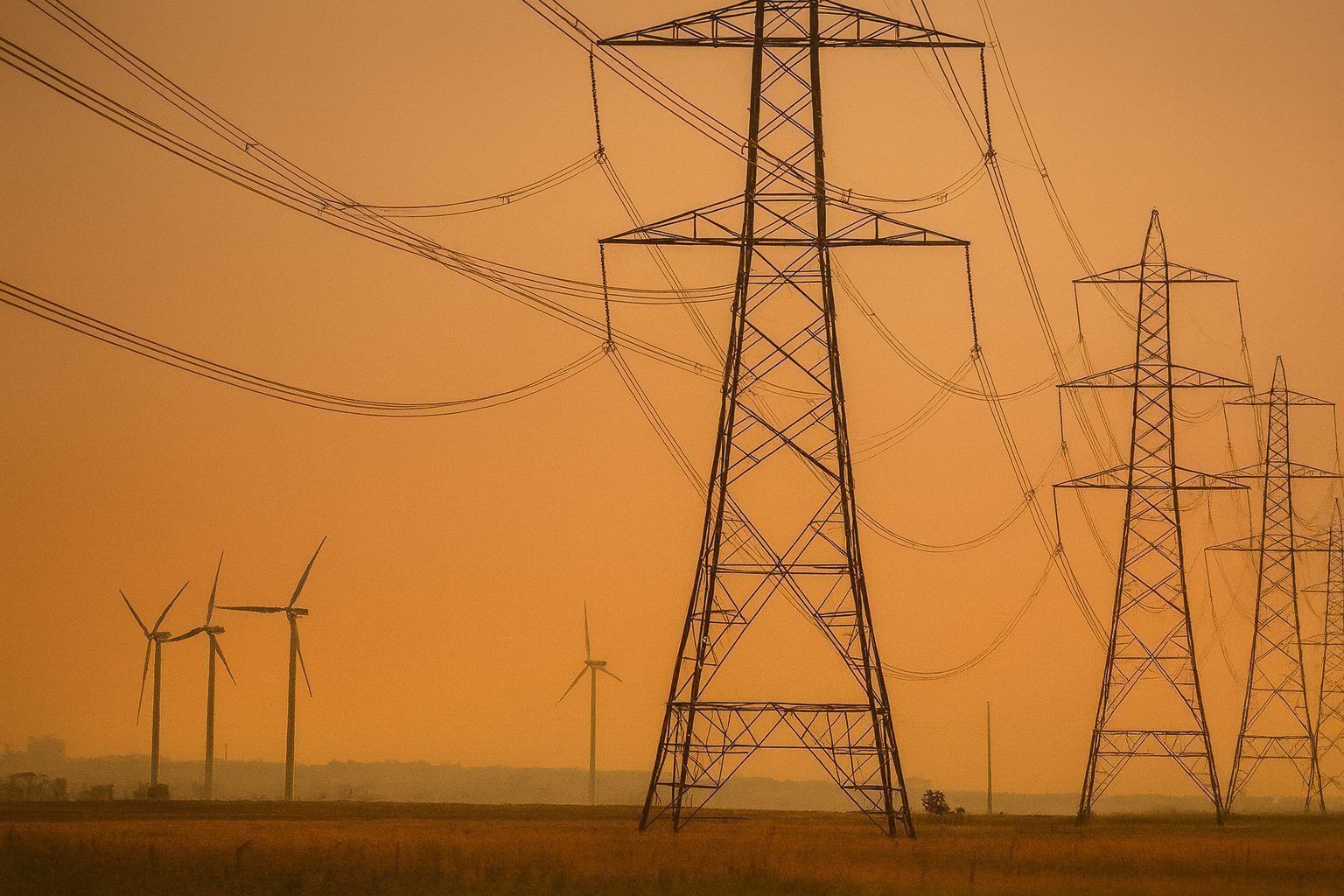
The move comes as peak demand in the South West Interconnected System (SWIS)—the main grid for Perth and the state’s south-west—surges rapidly and is projected to keep rising through FY2033, Western Power noted in its submission. It highlighted that some local “feeders,” the circuits delivering power from substations to suburbs and towns, are set to breach planning limits, raising the risk of outages unless capacity is increased. Western Australian Government
Western Power is pushing “non-network” solutions, aiming to relieve local congestion without installing new poles, wires, or transformers. Essentially, it wants flexible assets—batteries, small generators, or demand management—that kick in when the grid gets strained.
The contracted service aims to reduce “withdrawal” (power drawn from the grid) or boost “injection” (power fed into the grid) at key moments during peak demand. The determination noted potential providers might include generators, retailers, distributed energy resource aggregators, and customers with flexible load.
Western Power’s plan targets feeders linked to substations in Westminster, Bibra Lake, Como, Gosnells, East Perth, O’Connor, and Busselton. Active-power demand is expected to jump from 18.9 megawatts (MW) in 2026-27 to 31.5 MW in 2027-28, then soar to 44.4 MW by 2028-29. Most calls for service will happen between 4 p.m. and 9 p.m. AWST, though seven feeders have extended daytime windows due to commercial load patterns.
The Coordinator confirmed Western Power will handle procurement and payment once commercial terms are finalized. They’re tasked with drafting service specs alongside the Australian Energy Market Operator (AEMO), then launching an expressions-of-interest phase before deciding on moving to a formal submission call.
Non-Co-optimised Essential System Services, or NCESS, is a part of the state’s electricity rules aimed at purchasing essential services that current market mechanisms don’t cover. The Coordinator decides if the procurement process should kick off. When planning or operational signals suggest potential issues with reliability, security, or costs, AEMO or a network operator can initiate this process. Western Australian Government
Western Power is also ramping up its fauna protection program, targeting a drop in wildlife fatalities and fewer outages triggered when animals touch live power gear, Echo Newspaper reported.
Echo reported that Western Power installed 53 protection devices across Swan, Kalamunda, Mundaring, Bassendean, and Northam, including possum guards, bird covers, and cable guards. Executive manager Jo Christie detailed that the utility fitted possum guards on 98 poles, added 166 bird covers, 64 bird diverters, and 376 cable guards, while tweaking some new equipment designs to lower the risk of contact. “South West WA has a diverse range of conservation-significant fauna, including the endangered Western Ringtail Possum and three species of black cockatoo,” Christie said. Echo Newspaper
But the grid-support procurement depends on whether the expressions-of-interest round delivers enough viable providers at a price the state deems efficient; the determination flagged that the service specification might require adjustments if suitable providers don’t emerge. Western Power also cautioned that controlling animal contact isn’t a simple, one-time solution, highlighting that vegetation clearance near powerlines is a joint responsibility with property owners and local councils.
Western Power said it’s still scouring the network for spots where fauna devices could make a difference, although none have been installed yet in Gingin and York under the program. Regarding the NCESS procurement, the operating window was set from December through March—the summer months—with call times depending on feeder and load profiles.