
BENTON HARBOR, Michigan, May 6, 2026, 19:03 EDT
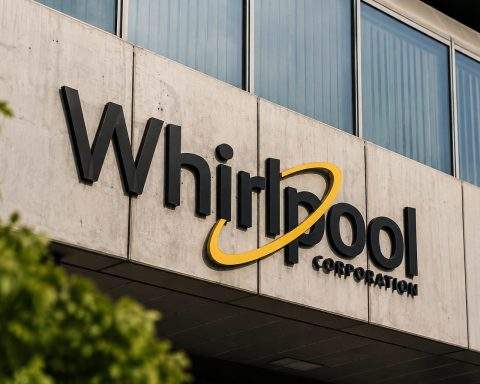
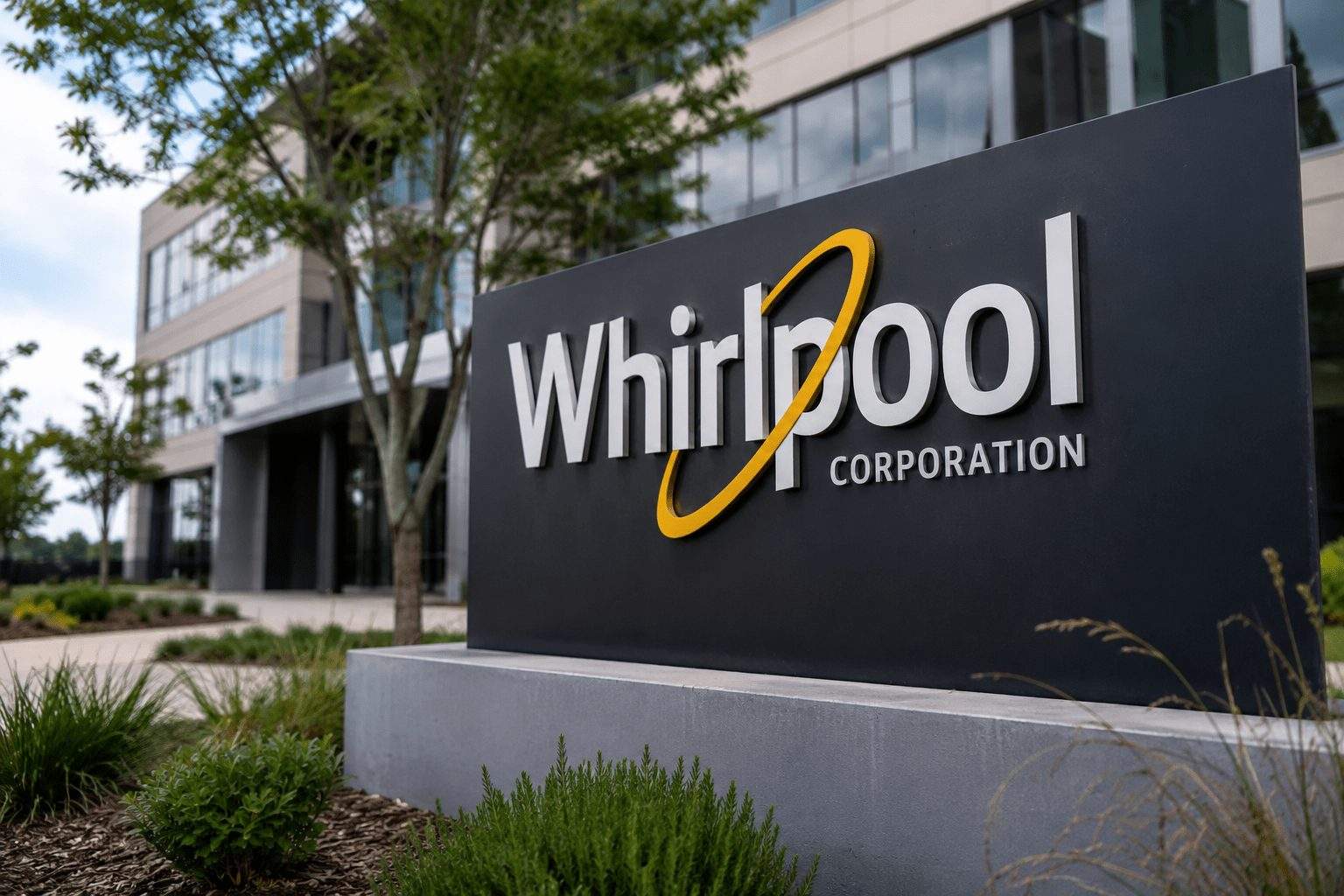
Whirlpool dropped roughly 16% in late Wednesday trading. The appliance giant posted a first-quarter loss, slashed its 2026 profit forecast, and announced it’s suspending its common dividend to focus on bringing down debt.
Whirlpool is now blaming the setback on a sharp falloff in U.S. appliance demand, linking the drop to the war in Iran. The company described a “recession-level industry decline” as consumer confidence faltered late February through March. It’s an extra headache for Whirlpool, which is already struggling to rebuild margins after inflation, tariffs, and a sluggish replacement cycle tied to housing took a toll on demand. Whirlpool Investor Relations
Higher appliance prices are on the way. Whirlpool is planning its steepest price hike in over ten years and will strip out more than $150 million in structural costs. The company is also banking on changes to Section 232 tariffs—national-security-related trade duties—which it claims now tilt in favor of U.S. manufacturers.
Benton Harbor, Michigan’s Whirlpool posted net sales of $3.27 billion, marking a 9.6% slide from the same period last year. The company swung to a net loss to common shareholders of $85 million, reversing a $71 million profit year-over-year. Ongoing EBIT landed at $44 million, sharply down from $214 million.
Whirlpool’s outlook for 2026 ongoing earnings has dropped sharply, with the company now guiding for $3.00 to $3.50 per share. Back in January, management had targeted around $7.00, but that figure slid to roughly $6.00 in March, after public offerings bumped up the share count.
Whirlpool CEO Marc Bitzer said the company acted on pricing and costs after what he described as a “rapid deterioration in macroeconomic conditions.” Section 232 adjustments, Bitzer added, have strengthened Whirlpool’s hand on its “American-made products.” CFO Roxanne Warner pointed to the recent recapitalization and the upcoming asset-backed credit facility, saying both moves should give Whirlpool more “financial flexibility.” Whirlpool Investor Relations
North America was the sore spot. Whirlpool’s key domestic appliances unit in the region posted a 7.5% sales slide to $2.24 billion. EBIT plunged as well, dropping to $6 million from $149 million—a thin 0.3% margin. The company blamed the hit on softer volumes, a tougher price mix, and costs tied to clearing out inventory.
Stifel’s Andrew Carter flagged “steel, resin, and energy inflation” as a hurdle ahead of the results, suggesting Whirlpool needed more price hikes to offset costs. Focus was also on whether the company could push through higher prices without bleeding further market share, especially after March data pointed to pricing pressure, while competitors appeared to steady. Investing.com
The slump isn’t just Whirlpool’s problem. Last month, Electrolux—one of its main competitors—blamed sluggish U.S. demand as it swung to an unexpected first-quarter operating loss. Shares tumbled 24% after the company rolled out plans for a $1 billion rights issue and said it would team up with China’s Midea in North America.
Tariffs are a tangled piece of the puzzle here. Whirlpool points to the recent Section 232 updates as a win for U.S. manufacturers. But uncertainty hangs over the wider tariff landscape following the Supreme Court’s decision on IEEPA tariffs. Other trade measures are still active, and companies are left navigating changing regulations.
The spotlight is on the balance sheet now. Whirlpool is targeting a debt reduction of more than $900 million in 2026 and expects to generate upwards of $300 million in free cash flow—cash left after capital expenditures. The company also plans to wrap up a roughly $2.25 billion asset-based revolver, a credit facility secured by its assets, during the second quarter.
The strategy hinges on a tough bet—shoppers and stores will swallow the higher prices without pushing sales down much more. But if demand slips again, or if rivals respond with imports and discounts to defend their turf, Whirlpool’s margin boost from the price hike could fall short of what management is counting on.
Whirlpool, the last big American player in kitchen and laundry appliances, turned in roughly $16 billion in sales for 2025—nearly 90% of that from the Americas. The lineup spans names like Whirlpool, KitchenAid, JennAir, Maytag, and Amana.