
Pinghu, China — April 30, 2026, 23:04 CST.
- Shares of Huachen AI Parking rocketed on the Nasdaq this Thursday; data pages showed trading volumes climbing into the tens of millions.
- There were no fresh company filings, and no press release showed up to shed light on the rally.
- Just weeks after executing a 1-for-30 reverse split to keep its Nasdaq listing by meeting the minimum bid-price requirement, the stock is back in play.
Huachen AI Parking Management Technology Holding Co., Ltd. barreled back into the Nasdaq spotlight Thursday, its U.S.-listed shares ripping higher in volatile trading. Shares of the little-known Chinese smart-parking outfit, HCAI, shot up 135.28% to $12.87 during the morning, data from Benzinga show. By the time 34.01 million shares had swapped hands—a staggering spike from the typical 727,390—Robinhood was quoting the stock at $10.37.
Cboe halt data shows HCAI tripped four Nasdaq volatility pauses between 9:31 and 10:21 a.m. Eastern. Those circuit breakers, designed to temporarily stop trading after sharp price moves, fire when set exchange thresholds get hit. Worth noting: this doesn’t mean the company released any fresh news.
No obvious corporate trigger jumps out. TipRanks reported no new SEC filings or press releases to explain Thursday’s rally. Rather, the firm pointed to heavy premarket trading and emphasized the stock’s slim float—just about 163,250 shares in circulation.
Another issue still hanging over Huachen: its capital structure. Back on April 8, the board approved a 1-for-30 reverse stock split, effectively turning thirty shares into one. This boosts the share price without adding cash to the company. Starting April 13, Class A shares began trading on the adjusted, post-split basis.
The filing shows outstanding Class A shares dropped sharply to around 629,167 from 18.9 million. Class B shares are set for about 533,333, previously 16 million. Fewer shares on the market means big trades can move the price in a hurry.
Huachen said the reverse split was aimed at satisfying Nasdaq’s minimum bid-price requirement, a move to maintain its listing. According to Nasdaq’s corporate-action notice, the split will be 1-for-30, takes effect April 13, and comes with a new CUSIP number.
This didn’t come out of nowhere. In February, Huachen disclosed it secured another 180-day grace period from Nasdaq to lift its share price above $1, moving the cutoff to Aug. 3, 2026. By that point, shares had logged 30 consecutive trading days under the $1 threshold. The company also said trading remained unaffected after getting the warning.
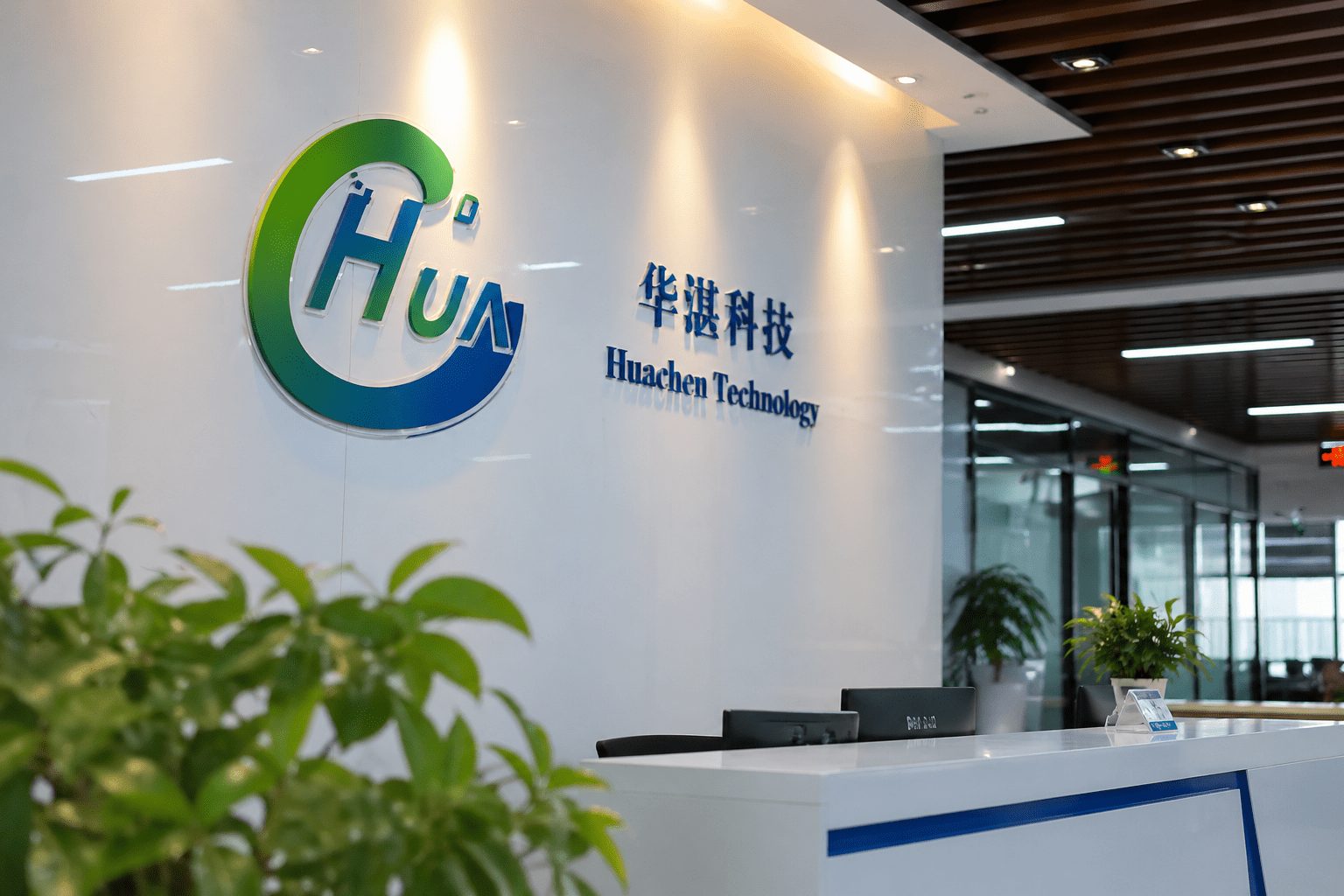
Huachen, a holding company, focuses on smart-parking systems and equipment structure components. Reuters, citing LSEG data, says the company handles everything for custom smart cubic parking garages—design, manufacturing, sales, installation, maintenance. It also supplies steel parts and railroad accessories.
The company isn’t sticking to its initial niche. In February, it announced intentions to launch its smart parking platform in the U.S., beginning with Los Angeles and New York. For now, select districts are being used as pilot sites; citywide or metro-wide deployments might come later.
Direct competitors are few, but the existing ones carry weight. Last year, Chinese smart-parking technology player Keytop Parking filed for a Hong Kong IPO. Bamboo Works reports that Keytop ranks number two by revenue among China’s smart-parking companies, yet its market share sits at only 3%, underscoring just how splintered the space remains.
Huachen landed on the New York market in February 2025, pulling in $6 million through a 1.5 million-share sale priced at $4 each. According to the filing, the proceeds are slated for parking-lot operating rights, AGV and RGV development—those refer to automated and rail-guided vehicles for parking setups—along with technical hires, working capital, and various corporate needs.
Still, Huachen’s stock surge isn’t a clear sign that buyers are clamoring for its parking systems. TipRanks has pointed out that thinly traded names like this can swing wildly when volumes spike. Even in announcing its reverse split, Huachen cautioned investors about the standard slate of risks tied to forward-looking statements, all outlined in the company’s SEC filings.
At this point, traders are focused on the action, not what’s happening inside the company. The next real indicator should be a company filing or exchange notice clarifying whether the Nasdaq bid-price issue is resolved after the split. Failing that, a business update could shift sentiment—but only if the U.S. expansion actually brings in contracted revenue.
Related articles: Stock Market