
New York, April 6, 2026, 17:00 EDT
- Microsoft shares last changed hands at $372.88, slipping 0.1% from their previous close. The stock is coming off a bruising first quarter, tumbling nearly 25%—its steepest quarterly loss since the 2008 financial crisis.
- Microsoft’s quarterly capex stands out at $37.5 billion, with roughly 45% of its commercial backlog linked to OpenAI — investors are watching both numbers closely.
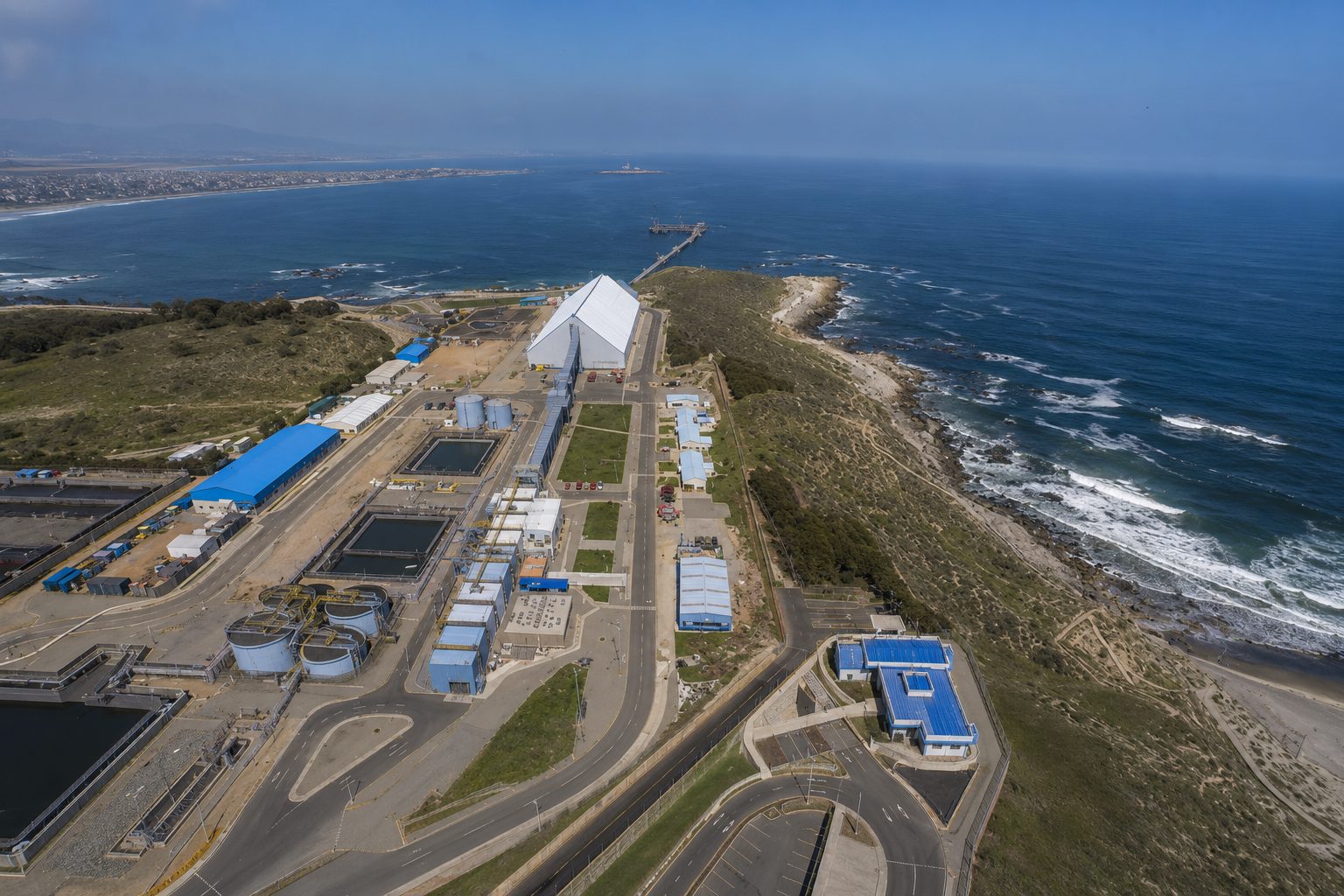
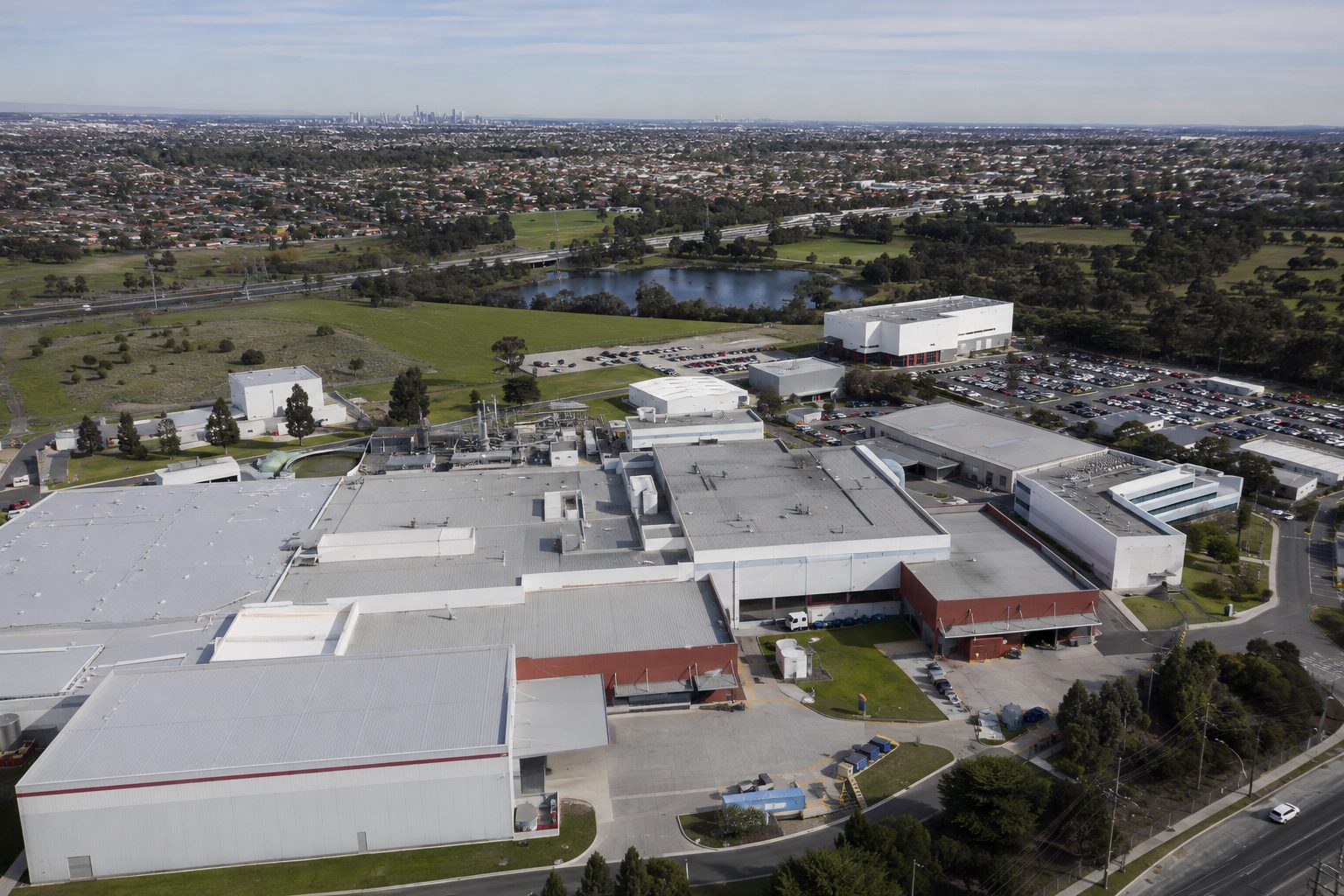
- Shareholders are turning up the heat on the company over the huge water and electricity needs of AI data centers, complicating its expansion plans.
Microsoft is feeling fresh pressure from investors, this time over the environmental impact—specifically water and power usage—of its AI data centers. That scrutiny lands just days after the company wrapped up its roughest Wall Street quarter since 2008. Shares last traded at $372.88, a 0.1% dip from the previous close.
Timing is crucial here: Microsoft stands out as a key barometer for whether the AI frenzy can warrant massive up-front outlays before the real payoff lands. The stakes no longer stick to software; they’ve spread into power grids, community debates, and rising energy bills. According to EPRI, data centers might end up drawing as much as 17% of U.S. electricity by decade’s end.
The bill remains investors’ main headache. Microsoft reported capex of $37.5 billion for the December quarter—about two-thirds aimed at short-term assets like GPUs and CPUs. Revenue climbed 17%, but cost of revenue jumped 19%. “One of my concerns,” said Eric Clark of the LOGO ETF, pointing to that widening gap. Microsoft
Concentration and proof of demand pose another challenge. Microsoft’s commercial remaining performance obligation—future revenue already on the books—jumped to $625 billion, but nearly 45% of that is tied to OpenAI. The company put out a figure of 15 million paid Microsoft 365 Copilot seats, out of a total base of over 450 million paid commercial seats. That leaves Wall Street scrutinizing just how fast the $30-a-month AI assistant might scale.
Microsoft’s cloud division, Azure, posted another strong quarter, with revenue up 39% for October through December—slightly beating expectations. CFO Amy Hood noted that demand from customers was still running ahead of what Azure could deliver. Even so, investors weren’t entirely reassured. The market is questioning whether Microsoft is allocating too much limited capacity towards building its own AI offerings, giving competitors more room to catch up.
The rivalry is becoming tough to miss. On March 30, Reuters reported that Microsoft expanded Copilot Cowork’s rollout, bringing in new options that let OpenAI and Anthropic models check each other’s output within Copilot. Nicole Herskowitz, vice president for Microsoft 365 and Copilot, called the approach of having models collaborate “highly attractive,” especially as the push from Google’s Gemini and Anthropic’s Claude Cowork heats up. Reuters
Pressure from investors is starting to hit the actual expansion of data centers. On Monday, Reuters said Microsoft, Amazon, and Google are facing calls for more transparency around water and electricity usage, especially after some multibillion-dollar projects stalled due to local pushback. According to Reuters, North American data centers consumed close to 1 trillion liters of water in 2025. Jason Qi at Calvert Research and Management told Reuters that disclosures around local impact remain insufficient.
Microsoft, anticipating pushback, moved first in January, promising to pay utility rates sufficient to offset its own power usage and to release water consumption figures by U.S. data-center region. President Brad Smith called it “unfair” for the public to shoulder extra AI-related electricity expenses. He also emphasized the need for companies to “win over the local community” if they want to continue expanding. Reuters
Investors are also debating the risk of further increases in external costs. Last week, Melissa Otto at S&P Global warned that stubbornly high oil prices might force Microsoft, Amazon, Alphabet and Meta to rethink their collective $635 billion slated for AI infrastructure in 2026. Microsoft, for its part, drove the issue home by sealing an exclusivity deal with Chevron and Engine No. 1 to secure power generation and supply for its data centers.
Microsoft faces a clear risk here. Should Copilot adoption stay patchy, or if community resistance and grid limitations drag on new buildouts, and especially if those hefty AI budgets start to get trimmed, margins could feel the squeeze. The valuation multiple might slip—even with the core business steadily growing. Mustafa Suleyman, the company’s AI lead, told Bloomberg Microsoft’s aim is to be “the absolute frontier” by 2027. Investors, though, aren’t waiting that long for results. Bloomberg
Related articles: NASDAQ:MSFT