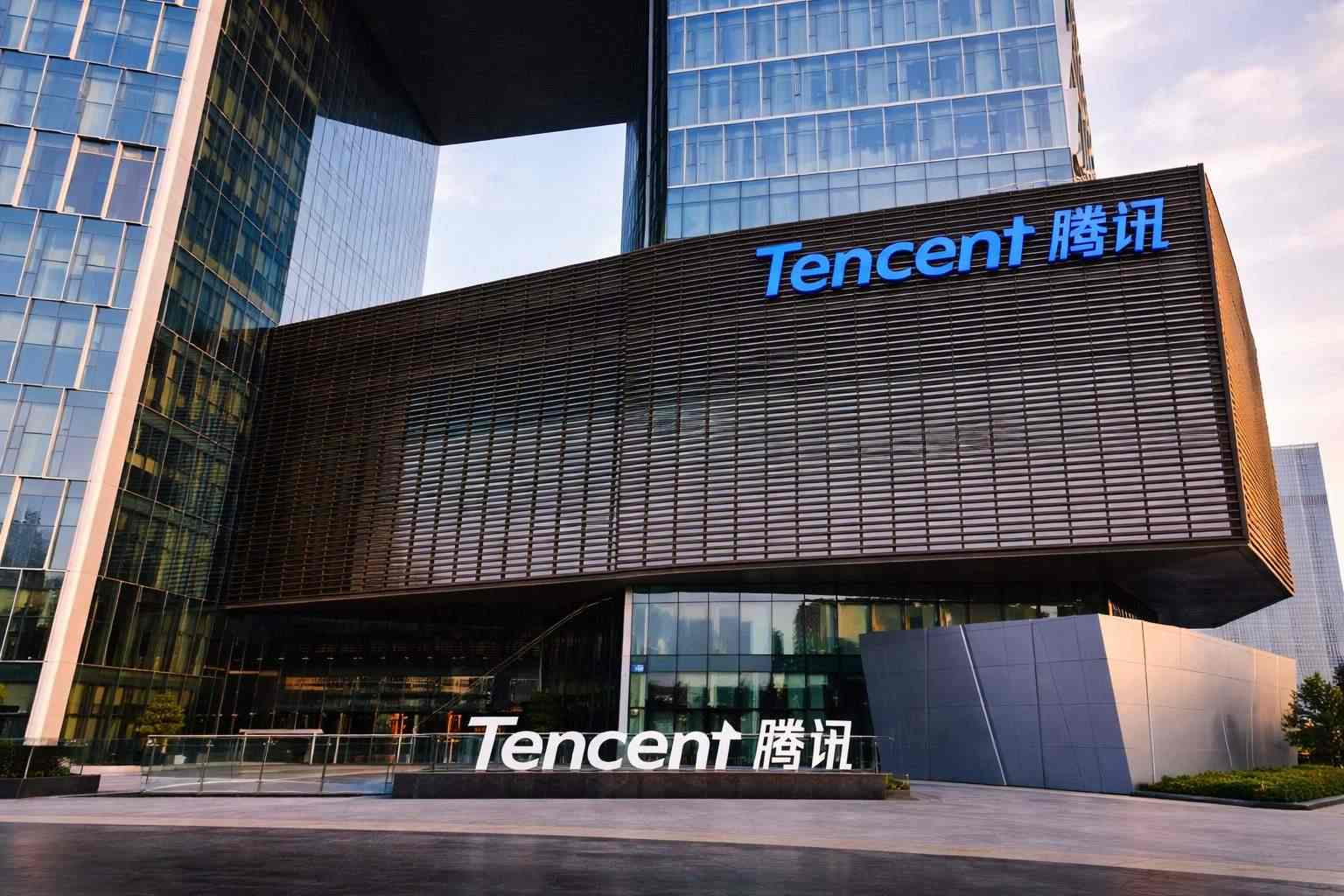
HONG KONG, Feb 7, 2026, 23:42 (HKT) — The session has wrapped up.
- Tencent dropped 2% to finish at HK$547.50 in Hong Kong trading.
- China flagged security concerns tied to the OpenClaw open-source AI agent. Tencent Cloud is one of the companies providing hosted deployments.
- Intel and AMD are telling Chinese buyers to expect delays getting their server CPUs—crucial chips for AI and cloud operations.
Tencent Holdings Ltd (0700.HK) dropped 2% to HK$547.50 on Friday, with traders factoring in new concerns around AI security and persistent shortages of data-centre chips as the week wrapped up. Investing.com
Among Hong Kong tech names, the stock carries major weight, frequently acting as a bellwether for how investors feel about China’s internet space. Even minor tweaks—regulatory moves or changes in computing expenses—can quickly alter expectations for Tencent’s cloud and advertising businesses.
Choppy trading in U.S. tech this week has rattled risk appetite in Asian tech, pushing extra pressure onto China internet stocks. “With U.S. tech wobbling, sentiments tend to trickle over to Asian tech as well,” said Zavier Wong, market analyst at eToro. He characterized the shifts as investors dialing back risk—not bailing on the whole sector. Reuters
Tencent shares fell alongside a 1.1% decline in the Hang Seng TECH index on Friday, index data showed. Investing.com
China’s industry ministry on Thursday flagged major security concerns around the OpenClaw open-source AI agent, cautioning that poor setups could open the door to risks. The ministry called on organizations to ramp up audits and tighten who gets access. Tencent Cloud, Baidu (9888.HK), and Alibaba’s (9988.HK) Alicloud all offer remote OpenClaw server rentals, Reuters said. The ministry stopped short of banning the services. Reuters
Hardware is another area drawing attention. On Friday, Reuters reported that Intel and AMD have told customers in China to brace for server CPU shortages. Intel warned that some orders could see delays stretching out as long as six months, and people familiar with the matter said prices in China have jumped more than 10%. Intel told Reuters it expects inventory to hit its lowest in Q1 before things get better in the second quarter. AMD, for its part, said it’s still confident it can keep up with demand. Reuters
Tencent’s latest filings kept attention on buybacks. According to a monthly return filed Feb. 5, the tech giant cancelled 16.53 million shares in January, closing the month with 9.106 billion shares issued. That figure reflects new shares from option exercises, which brought in roughly HK$2.05 billion. Tencent
Tencent runs WeChat, stands among China’s largest gaming publishers, and has been moving into cloud and AI tools. The company’s stock reacts to shifts in consumer demand, but also tracks changes in enterprise AI budgets and the price tags those investments carry.
The downside’s murky. A regulatory warning might stiffen into tougher compliance demands for cloud operators—or just recede if companies move fast to shore up their deployments. Chip lead times? Those can lurch either way as suppliers and buyers tweak their order books.
Once Hong Kong markets reopen after the weekend, eyes are on whether Beijing offers further direction regarding OpenClaw deployments. At the same time, investors are scanning for clues that chip shipment setbacks could be putting the brakes on the data-centre rollout. U.S. tech stocks, too, will likely influence sentiment across the China tech sector.
Tencent’s next big date: fourth-quarter and full-year 2025 results land on March 18. Management will host a call from 20:00 to 21:00 Hong Kong time, the investor calendar shows. tencent.com