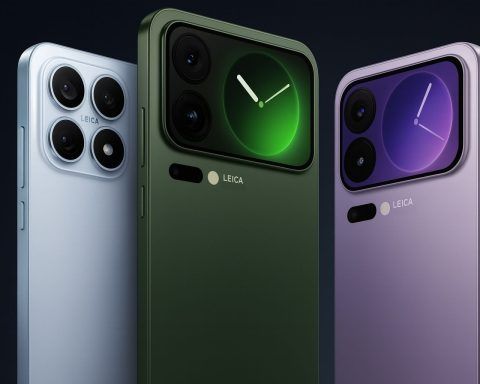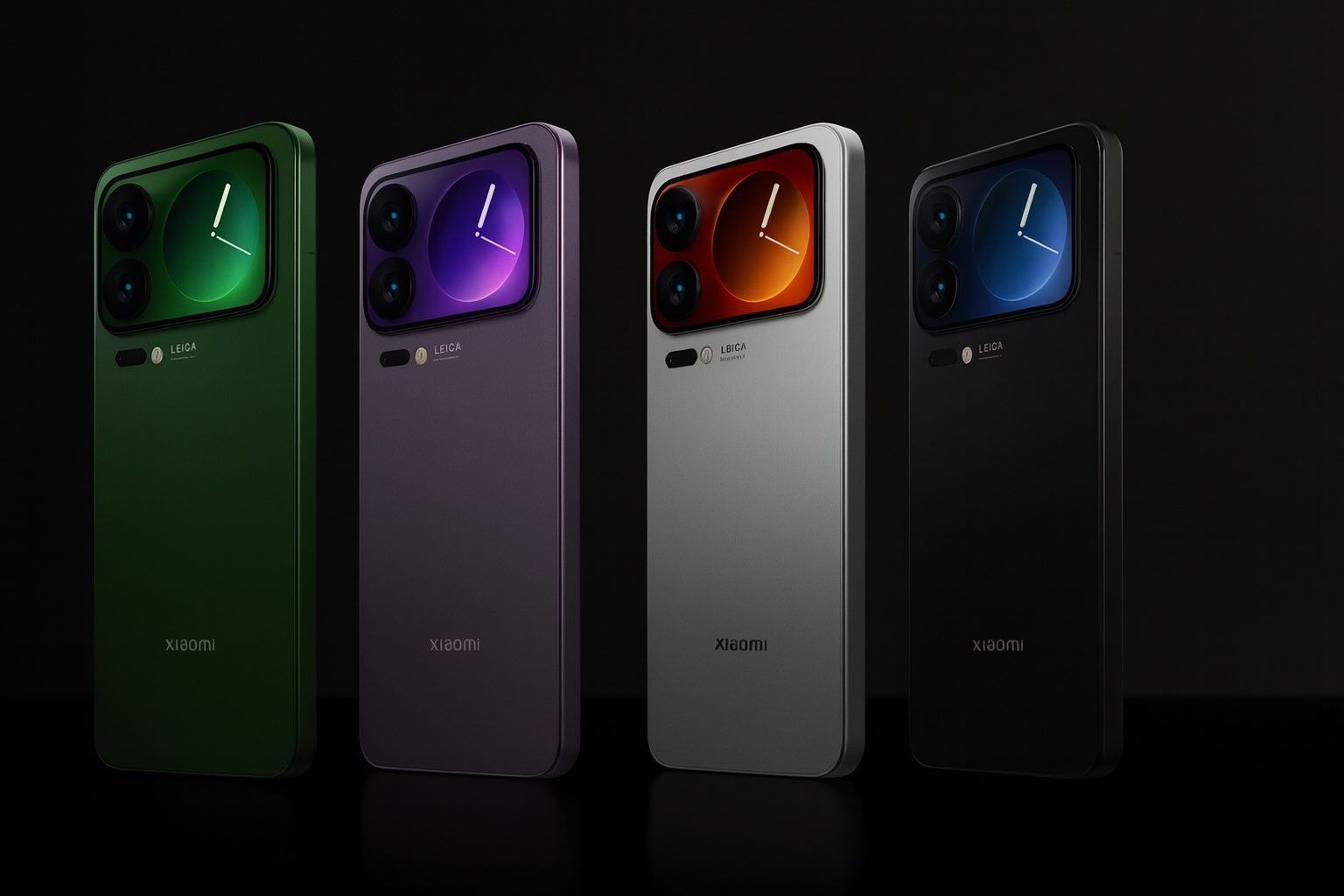

- New design & gimmick-that’s-not-just-a-gimmick: Xiaomi 17 Pro Max adds a functional “Dynamic Back Display” inside the camera island for notifications, music controls, selfie previews, and even mini‑games (with a retro gamepad case). WIRED
- Huge batteries, fast charging: 7,500 mAh in 17 Pro Max (6,300 mAh in 17 Pro) with 100W wired/50W wireless charging. Base Xiaomi 17 packs 7,000 mAh.
- Chipset first: First phones with Snapdragon 8 Elite Gen 5; Qualcomm touts faster Oryon CPU (up to 4.6 GHz) and new GPU tech (Adreno HPM, Tile Memory Heap, Mesh Shading).
- Cameras: Leica‑tuned 50MP triple system; Pro Max adds a brighter 5× periscope that can do 30 cm tele‑macro.
- Price & dates (China): From ¥5,999 (~$840) for 17 Pro Max; pre‑orders live, on sale Sept 27. Global release expected later.
- Today’s (Sept 26) headlines: Indian outlets round up specs/prices; Notebookcheck highlights the 7,500 mAh “mammoth” battery; tech media spotlights the retro handheld case. The Times of India
- Direct rivals: iPhone 17 Pro Max starts at $1,199 and touts 8× optical‑quality zoom; Galaxy S25 Ultra has a 5,000 mAh battery and 200MP main camera; Pixel 10 Pro XL ships with 5,200 mAh and a 5× telephoto.
What’s new and why it matters
A second screen that actually does things. Xiaomi embeds a 2.5×1.8‑inch “Dynamic Back Display” into the rear camera plateau. It shows customizable clocks/animations, notifications and playback controls, serves as a rear camera selfie viewfinder, pins QR codes or boarding passes, and even runs simple games when you snap on Xiaomi’s Retro Handheld Console Case (¥299/~$40). As Wired’s Simon Hill put it after hands‑on time: “We don’t need a second screen, but I’m already using it more than I expected to.” WIRED
Battery first—and battery tech matters. The Pro Max’s 7,500 mAh cell (and the Pro’s 6,300 mAh) rely on silicon‑carbon chemistry and an L‑shaped design that boosts density without a brick‑like chassis; Xiaomi pairs that with 100W wired/50W wireless charging. The base Xiaomi 17 is no slouch at 7,000 mAh.
World‑first silicon, gaming‑grade graphics. Qualcomm’s Snapdragon 8 Elite Gen 5 debuts here, promising a 3rd‑gen Oryon CPU clocking up to 4.6 GHz and an Adreno GPU that adds Adreno HPM (18 MB on‑GPU memory), Tile Memory Heap, Mesh Shading, and optimizations for Unreal Engine 5—all aimed at higher sustained performance and lower power draw. Notebookcheck calls it “perhaps the fastest smartphone chip in the world.” Qualcomm
Leica lenses, brighter telephoto on Pro Max. The triple‑50MP stack returns with Leica tuning. The Pro Max upgrades the periscope to f/2.6 (5×) and adds 30 cm tele‑macro capability; the 17 Pro’s periscope uses f/3.0 (5×) with 20 cm tele‑macro.
Software: HyperOS 3 on Android 16. Xiaomi’s latest skin is rolling out across the lineup with refreshed UI and new AI flourishes. (China‑first rollout; global timing varies.
Sept 26, 2025 — today’s fresh developments
- Roundups confirm specs, prices, and HyperOS 3 across the Xiaomi 17 trio; India coverage highlights the ¥5,999 (~₹74,700) Pro Max and the Pro/Pro Max rear display.
- Performance chatter: Notebookcheck’s launch story underscores the 7,500 mAh focus on endurance and the intent to spar with Galaxy S25 Ultra and iPhone 17 Pro Max.
- Accessory buzz: Multiple outlets spotlight Xiaomi’s Retro Handheld case that turns the back screen into a mini game console (fun, if awkward, and it disables wireless charging while attached).
Specs and features: the important bits
Displays
- Front: LTPO OLEDs with Xiaomi’s new M10 tech for efficiency and high brightness (6.9″ on Pro Max; 6.3″ on Pro).
- Back:Dynamic Back Display in the camera island for glanceable info and camera tools; limited third‑party support outside China at launch.
Cameras (Leica co‑tuned)
- All: 50MP main + 50MP ultrawide + telephoto.
- Pro Max:5× periscope with brighter f/2.6 and 30 cm tele‑macro (better low‑light reach than the 17 Pro’s f/3.0 5×).
Performance (Snapdragon 8 Elite Gen 5)
- Up to 4.6 GHz Oryon CPU; 23% GPU perf uplift with ~20% power drop; Adreno HPM (18 MB), Tile Memory Heap, Mesh Shading, and full UE5 support.
Batteries & charging
- Pro Max:7,500 mAh; Pro:6,300 mAh; 17:7,000 mAh; 100W wired / 50W wireless on Pro models.
Software
- HyperOS 3 (Android 16‑based) with visual refresh and new AI features; staged rollout beyond the 17 family in China from mid‑October.
Pricing & availability (China)
- ¥4,499 (~$630) 17 · ¥4,999 (~$700) 17 Pro · ¥5,999 (~$840) 17 Pro Max, pre‑orders open, on sale Sept 27. A global release is expected later, but unconfirmed.
Hands‑on impressions & expert takes
- Wired (hands‑on): “We don’t need a second screen, but I’m already using it more than I expected to.” The publication also confirms the silicon‑carbon / L‑shaped batteries that enable multi‑day endurance despite the rear panel. WIRED
- Notebookcheck on Qualcomm’s chip: “Perhaps the fastest smartphone chip in the world.” (Early efficiency data compares favorably versus rivals.) Notebookcheck
- IDC on context: “Economic uncertainty tends to compress demand at the lower end of the market,” with vendors pushing premium features to maintain growth—precisely the battleground where Xiaomi’s 17 series is positioned. IDC
Xiaomi’s own leadership has been explicit about the strategy: Lu Weibing said the new series is meant to “benchmark the iPhone” (translated from Chinese) and meet Apple “same‑generation, same‑tier.” Weibo
How it stacks up against the big three
Versus iPhone 17 Pro Max
- Price: Xiaomi 17 Pro Max ~$840 (China) vs $1,199 for iPhone 17 Pro Max (US).
- Zoom: iPhone touts its longest 8× optical‑quality zoom; Xiaomi offers 5× periscope with a brighter aperture for low light.
- Battery/charging: Xiaomi’s 7,500 mAh + 100W dwarfs Apple’s undisclosed capacity and slower top‑ups (Apple cites “up to 50% in 20 minutes” with its 40W adapter). Apple
- Distinctive feature: Xiaomi’s rear display vs Apple’s new pro‑video features (e.g., genlock) and design refresh.
Versus Samsung Galaxy S25 Ultra
- Battery:7,500 mAh (Xiaomi) vs 5,000 mAh (Samsung official spec) with “up to 31 hours” video playback claim. Samsung
- Cameras: Xiaomi’s 50MP trio with 5× periscope vs Samsung’s 200MP main with 5× optical and “10× optical‑quality” zoom modes. Samsung
- Silicon: Both on Snapdragon 8 Elite family (Samsung’s “for Galaxy” bin vs Xiaomi’s standard Gen 5). Samsung
Versus Google Pixel 10 Pro XL
- Battery:7,500 mAh (Xiaomi) vs 5,200 mAh (Pixel 10 Pro XL).
- Zoom:5× periscope on both, but Xiaomi pairs it with tele‑macro and the rear display selfie preview.
- Price (launch RRP): Xiaomi Pro Max ~$840 (China) vs Pixel $1,199 (US).
Availability, pricing, and where it goes next
Xiaomi has opened pre‑orders in China across the 17, 17 Pro, and 17 Pro Max, with sales on Sept 27 and pricing starting at ¥4,499 for the base model and ¥5,999 for the Pro Max. A wider international launch is anticipated later (timelines vary by region and are unconfirmed).
Bottom line
- If you live in China (or import often), the Xiaomi 17 Pro Max is a compelling value flagship that combines a unique rear display with class‑leading battery capacity and fast charging at ~$840—well below iPhone and Samsung Ultra prices.
- The second screen isn’t a gimmick: it’s genuinely useful for selfies, quick glances, and pinned info, though global app support will dictate how helpful it feels outside China.
- The Snapdragon 8 Elite Gen 5 gives Xiaomi a head start in the late‑2025 Android wave, with credible gains in sustained gaming and AI features.
- Rival flagships still have their edges (Apple’s 8× optical‑quality zoom ecosystem, Samsung’s camera versatility, Google’s AI prowess), but Xiaomi’s battery‑first + price‑aggressive formula makes this one of 2025’s most interesting phones.
Sources & further reading (selected)
- Hands‑on & features: Wired — Simon Hill’s first look at the 17 Pro/Pro Max; M10 display, Dynamic Back Display, silicon‑carbon batteries, camera notes.
- Launch, specs, pricing (China): The Verge on the Xiaomi 17 trio, 7,500 mAh/6,300 mAh batteries, 100W/50W charging, and pre‑order timing.
- Chipset details: Qualcomm’s Snapdragon 8 Elite Gen 5 product brief (Adreno HPM, Tile Memory Heap, Mesh Shading; up to 4.6 GHz Oryon).
- Telephoto differences & Leica tuning: AndroidHeadlines overview; Xiaomi Discover page (Leica Summilux).
- Retro gamepad case: The Verge’s accessory report (ergonomics and wireless charging caveat).
- Market context & expert quote: IDC Q2 2025 market share/analysis (Samsung #1; Apple #2; Xiaomi #3 at 14.4%).
- CEO strategy signal: Lu Weibing’s Weibo post announcing the 17 series and aiming directly at iPhone.
- Today’s (Sept 26) wrap: Times of India and Notebookcheck roundups; India/SEA tech press summaries.
Disclosure: Specs, features, and availability outside China may vary once global models ship; we’ll update as official regional details land.
Related articles: HKG:1810