New York, March 4, 2026, 17:31 EST — After-hours
- XRP added roughly 6%, changing hands near $1.45. The token’s range for the day stretched from close to $1.35 up to $1.47.
- Ripple has broadened Ripple Payments to include both fiat currencies and stablecoins, after processing over $100 billion in volume, the company said.
- Friday’s U.S. jobs data is up next, with traders scanning for signals on rates and where risk appetite might move.
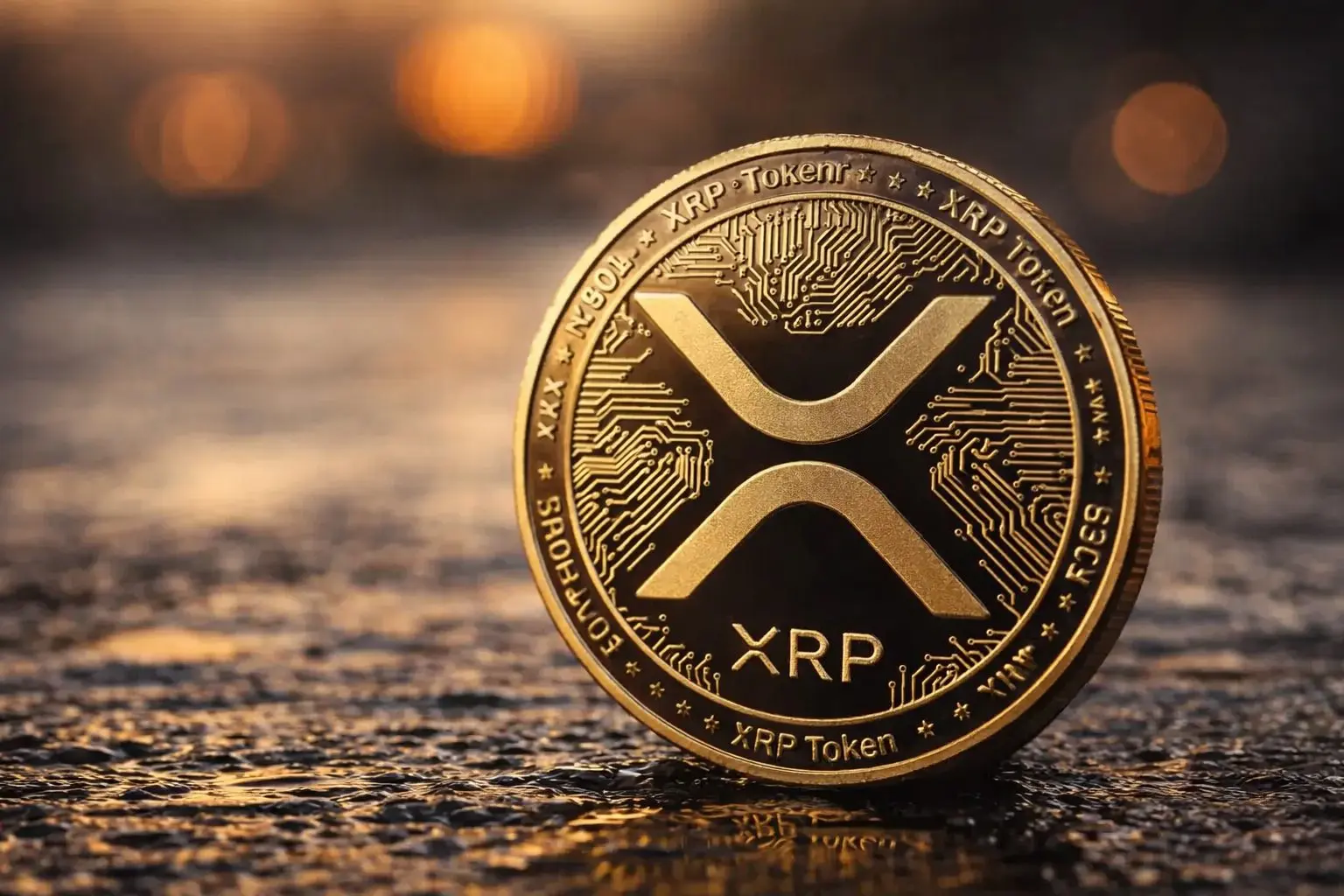
Late Wednesday in U.S. trading, XRP jumped roughly 6%, landing at $1.45 as it followed a wider rally in cryptocurrencies. Ripple detailed plans to grow its payments platform, helping to spark the move. The token ranged from $1.3455 up to $1.4707, coming off a previous close at $1.3624. Investing.com
Ripple’s newest pitch is making headlines again, coming as investors debate if crypto is really staging a comeback or simply caught in another risk-chasing rally. XRP typically jumps when the market senses a hint of “real-world use”—though the aftermath often gets tangled.
It’s hitting a nervous market. Headlines out of the Middle East have sent markets zigzagging—oil, rates, everything gets dragged along. Crypto’s been right there, tracking the same swings.
Ripple on Tuesday rolled out an update to its Ripple Payments service, saying customers now have access to collection, custody, exchange, and payout capabilities for both fiat currencies—like the dollar—and stablecoins. The upgrades come after Ripple’s acquisitions of Palisade and Rail. According to the company, the platform covers more than 60 markets and has seen total volume surpass $100 billion. AMINA Bank, Banco Genial, Corpay, and MassPay are among its named clients. “Fintechs and financial institutions need infrastructure that treats digital assets with the same rigor as traditional finance,” Ripple president Monica Long said. Ripple
Ripple flagged the rapid rise of stablecoin use, referencing a McKinsey figure showing $33 trillion in annual transaction volumes last year. According to TRM Labs, stablecoins now make up roughly 30% of on-chain transaction volume, the company said.
Bitcoin and ether moved higher, with traders showing more appetite for risk despite the ongoing conflict. “Investors are seeing light at the end of the tunnel for the conflict,” said Karl Schamotta, chief market strategist at Corpay. Michael James, equity sales trader at Rosenblatt Securities, pointed to the combination of softer oil prices and a crypto bounce, saying it left the market “feeling further emboldened.” Reuters
XRP’s price tends to move sharply with momentum whenever the large tokens surge. Quick on the upside, but it sheds gains just as fast if liquidity dries up.
The stablecoin piece is key, cutting straight into the banks-versus-regulators divide. Stablecoin-based payments rails cut down on pre-funding, push settlement through faster. But they also spark questions: who’s actually holding the cash, where is it parked, and which rules apply?
Still, regulators are sharpening their focus on the rise of stablecoins—Europe in particular is stepping up oversight, which could put pressure on the space. The European Central Bank flagged risks in a study out Tuesday, saying that broader adoption of stablecoins might undercut monetary policy and curb bank lending if customer deposits shift away from lenders. Reuters
Traders eye XRP’s grip on $1.40 after the recent jump. The $1.47 zone is up next for resistance. Dropping toward $1.35, though, risks dragging the day’s low back into focus.
Friday brings February’s U.S. jobs report, landing at 8:30 a.m. ET—a number that could sharply rejig rate-cut bets and shake up risk sentiment in a hurry. The Fed’s next meeting is set for March 17-18. Bureau of Labor Statistics
Ripple’s rollout remains one to watch, with attention locked on how fast banks and fintechs adopt its custody and stablecoin offerings. For now, XRP likely keeps tracking bitcoin—and the next headline out of the Middle East could shift the tone.