Singapore, Feb 10, 2026, 14:52 SGT — Regular session
- Yangzijiang Shipbuilding climbed 3.4% to S$3.35 during afternoon trading in Singapore.
- Maersk has lined up eight big container ships from China’s New Times Shipbuilding, with delivery slated for 2029 and 2030.
- Freight rates remain under scrutiny as investors track cargo-demand trends, with new carrier outlooks due later this quarter.
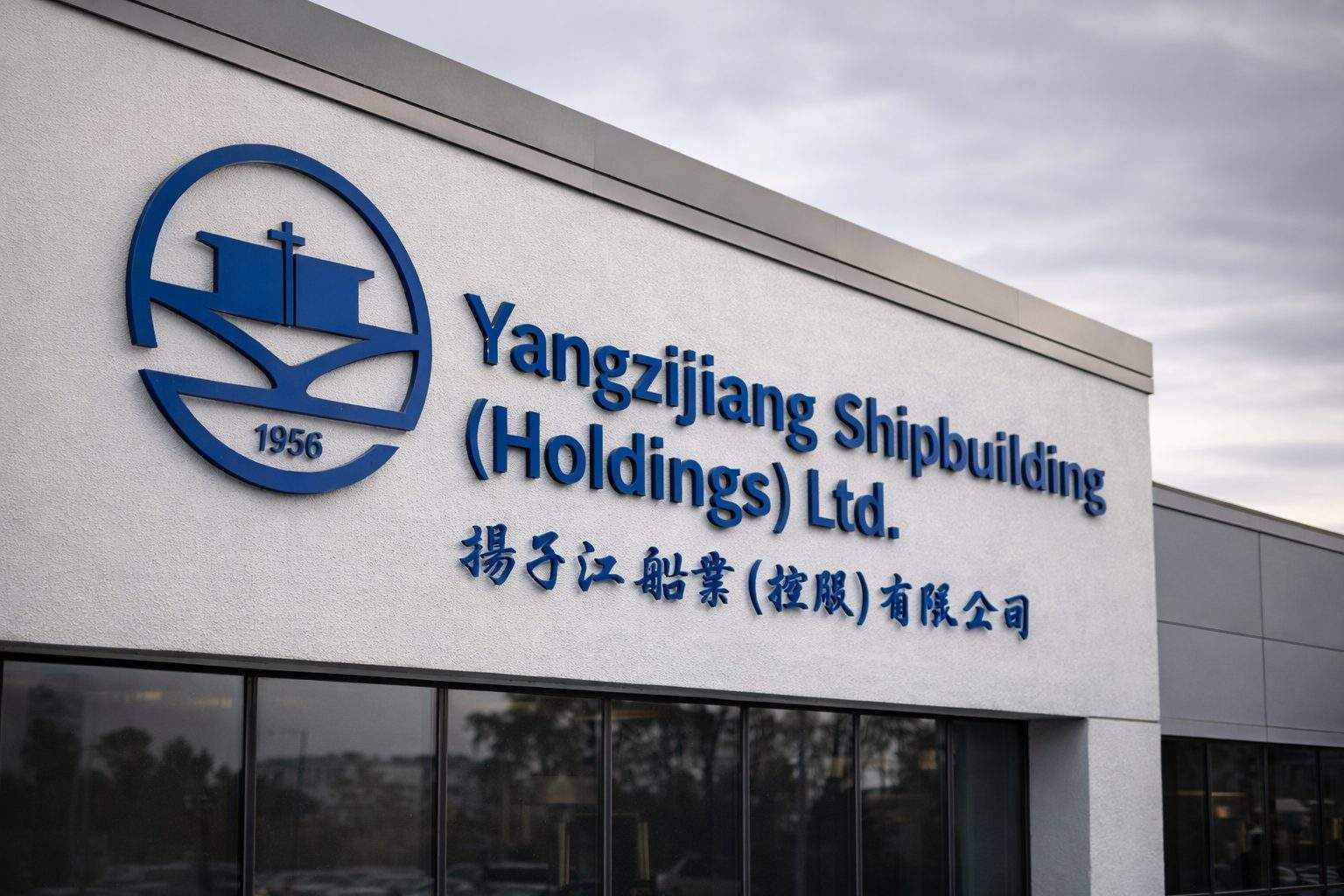
Yangzijiang Shipbuilding (Holdings) Ltd (BS6.SI) saw its Singapore-listed shares advance 3.4% to S$3.35 on Tuesday, buoyed by a firmer tone in newbuild orders following a patchy stretch for global shipper signals. The stock moved in a range from S$3.25 to S$3.38, still trading under its S$3.75, the 52-week high.
This is significant: shipyards are the last link in a complex chain where freight rates, cargo flow, and carrier earnings dictate how aggressive future orders might look. Delivery windows are years out, so every major contract or fresh trade data point becomes another signal for investors watching pricing power.
Maersk on Monday announced it’s buying eight big container ships from China’s New Times Shipbuilding, with delivery expected in 2029 and 2030. According to the company, each vessel will be equipped with dual-fuel engines, capable of running on either standard bunker fuel or liquefied gas.
U.S. seaports moved 2,318,722 TEUs of container imports in January, a 6.8% drop from the same month last year, according to Descartes Systems Group, but volumes still topped the month’s historical average. “Tariffs … make trade forecasting very difficult,” said Hackett Associates founder Ben Hackett, as quoted by Reuters. Reuters
Carriers are still flagging rate pressure. Hapag-Lloyd reported that preliminary EBIT for 2025 came in at $1.1 billion. An 8% slide in average freight rates wiped out gains from an 8% uptick in transport volumes. Full results, plus a 2026 forecast, are set for release on March 26.
Yangzijiang faces an immediate test: Will major liner orders keep rolling in, and what kind of margins will they bring? Shipping companies are weighing fresh fleet investments against weaker cargo rates. Yangzijiang’s portfolio covers various commercial vessels, so it’s vulnerable not just to container-market ups and downs, but also to shifts in global trade flows.
The pressure hasn’t let up. Chinese shipyards continue to scoop up major contracts for large vessels. South Korea’s big builders still command attention in the complex ship space, aggressively advancing on alternative-fuel projects and holding a disciplined line on delivery. All of that influences where new orders end up, demand or not.
The risk side? Not new. Should cargo volumes slip and freight rates take another hit, carriers have options—they might put the brakes on fresh newbuild orders or delay vessel deliveries, squeezing cash further along the supply chain. Trade policy remains a wild card, throwing in fresh uncertainty. Shipping lines keep highlighting just how abrupt shifts in routes or tariffs can swing volumes from one quarter to the next.
March 26 is circled on calendars—that’s when Hapag-Lloyd gives its update on what’s ahead for 2026. Shipbuilder shares could move next on news of new fleet orders from Maersk or other carriers, plus the latest numbers on U.S. imports and freight rates.