
Yorkshire’s hosepipe ban has been lifted today, 10 December 2025, bringing relief to more than five million people who have spent months under strict water restrictions – but water companies and officials are warning that the region cannot afford to be complacent about future droughts and floods.
Introduced in July after the driest spring in 132 years and a record‑breaking warm summer, the temporary ban is ending as reservoir and aquifer levels bounce back following a notably wet autumn across northern England.
What has changed today?
Yorkshire Water confirmed that temporary hosepipe restrictions across the region are being lifted with immediate effect from Wednesday 10 December 2025.
Key figures behind the decision include:
- Reservoir levels: now at 91.6% of capacity across Yorkshire
- Hull aquifer levels: around 77% , above the seasonal average
- Overall water resources: reservoirs, rivers and groundwater combined are now above the typical level for this time of year (around 85.1%) This is the Coast+ 1
The company says this turnaround follows 14 consecutive weeks of rising reservoir levels , driven by persistent rainfall through the autumn. At their lowest point during the summer, reservoirs fell to about 30–30.6% , and internal modeling suggested they might have dropped towards 17–17.6% without emergency measures and customer efforts.
Residents can now:
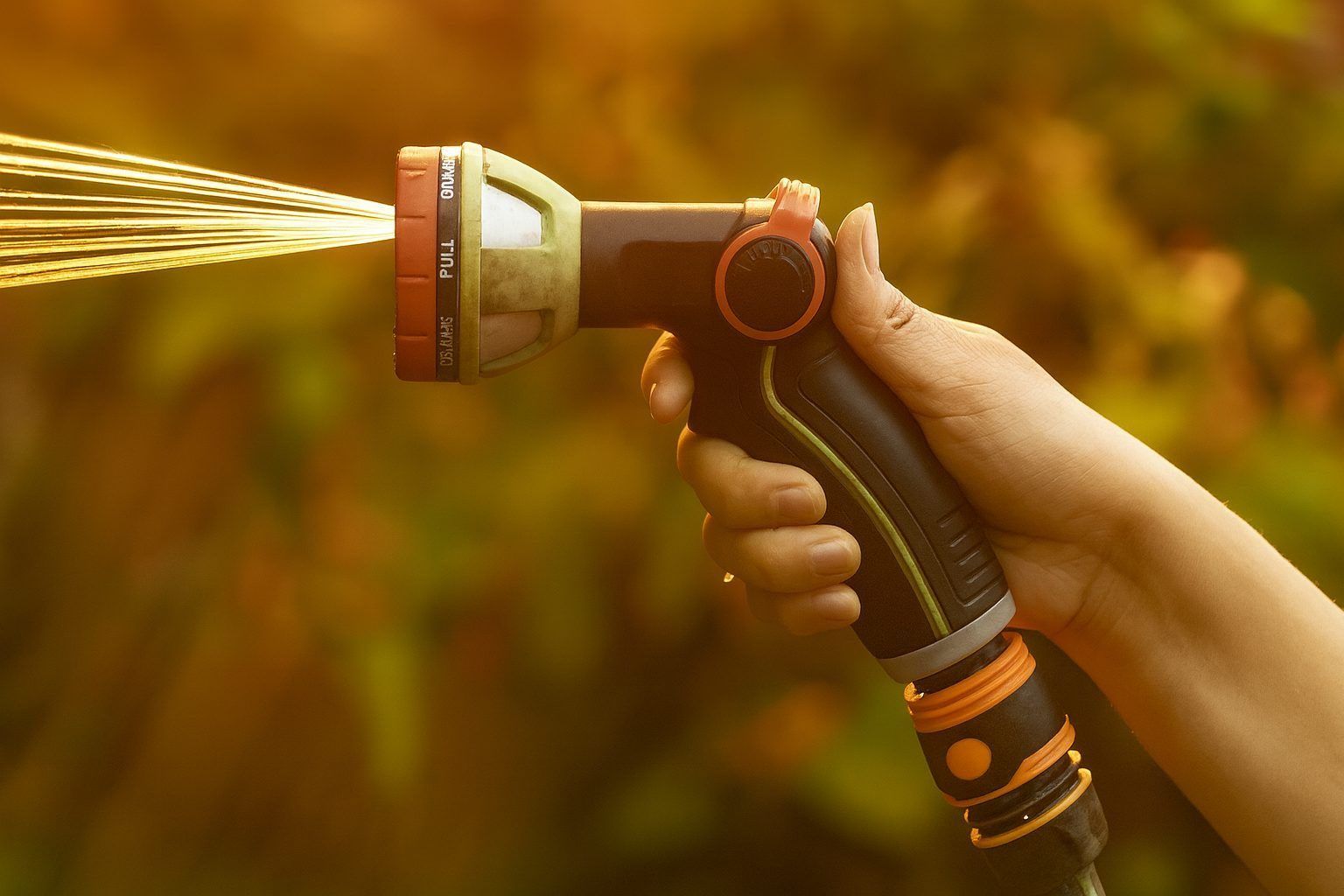
- Use hosepipes again for gardens, car washing and cleaning patios
- Refill paddling pools and ornamental ponds
- Summary normal non‑essential outdoor water use at home
However, Yorkshire Water is stressful that, even with the ban lifted, people should continue to use water “wisely” to help the region cope with increasingly erratic weather patterns.ITVX+ 1
How Yorkshire went from drought emergency to drenched in five months
The hosepipe ban came into force on 11 July 2025 , after an extraordinarily dry start to the year. Between February and June, Yorkshire saw around 15cm of rain – less than half the usual amount , making it the driest spring in more than a century.
This lack of rainfall, combined with a record‑breaking hot summer , pushed 22 reservoirs below 20% capacity, forcing Yorkshire Water to introduce tough restrictions under drought orders and permits.
Then the weather flipped:
- The Met Office later reported that November was one of the wettest on record in parts of northern England, with rainfall in the north-east of the region around 84% above average .
- Heavy and persistent rain throughout late October and November replenished reservoirs and aquifers far more quickly than initially expected, allowing the company to end restrictions earlier than first forecast.
In short, within a single year Yorkshire has swung from extreme drought conditions to saturated catchments – a pattern that hydrologists increasingly associate with climate change–driven volatility.
Billions of liters saved – and thousands of leaks fixed
While many households will remember 2025 mainly for brown lawns and dusty cars, Yorkshire Water is emphasizing the real impact of the hosepipe ban and related drought measures.
According to figures released by the company and reported by local outlets:This is the Coast+ 1
- Around 3.1 billion liters of water were saved during the ban
- That’s the equivalent of:
- 69 days of York’s average water usage
- 36 days for Hull
- 33 days for Sheffield
- 21 days for Leeds
Customers also cut their water use by about 10% per day at the start of the ban, easing pressure on critically low reservoirs.
At the same time, the company ramped up its fight against leakage:
- Almost 15,000 leaks were repaired between April and December
- Yorkshire Water deployed around 100 additional leakage detectors
- At the peak of this effort, a leak was being fixed roughly every 25 minutes This is the Coast+ 1
Drought permits and orders also played a crucial role. Between April and October, 28 separate permits and orders across 26 reservoirs and two rivers were implemented, helping to keep an estimated 4 billion extra liters of water stored in reservoirs.
Taken together, these emergency measures and customer actions meant that, rather than crashing towards critically low levels in the mid-teens, reservoir stocks could recover to well above average once the rain arrived.
From drought to flood alerts: York braces for high river levels
The lifting of the hosepipe ban is happening against a strikingly ironic backdrop: on the same day restrictions end, parts of Yorkshire – particularly around York – are dealing with flood warnings .
Local outlet YorkMix reports that:YorkMix+ 1
- The River Ouse in York is forecast to peak at around 3.6 meters this afternoon
- The top of the normal range is about 1.9 meters , meaning water is significantly higher than usual
- There are currently four flood warnings in and around York, covering riverside properties and areas such as St George’s Field, Queen’s Staith, Naburn Lock and parts of the River Derwent
Pictures of a swollen, fast‑moving Ouse running through York contrast sharply with images from late summer showing cracked reservoir beds and receding shorelines elsewhere in the region.
This whiplash between drought and flood in the same calendar year underscores a key concern for climate planners: the UK is increasingly experiencing extremes at both ends of the water cycle , rather than the predictable, steady rainfall patterns water infrastructure was originally designed around.
What lifting the hosepipe ban means for households
With restrictions removed, everyday activities that had been limited or banned since July are now permitted again across Yorkshire. In practical terms, households and businesses can once more:
- Use hosepipes to water lawns, flowerbeds, allotments and hanging baskets
- Wash cars, bikes, windows and driveways with a hose
- Top up swimming pools, paddling pools and ornamental ponds
- Use sprinklers and irrigation systems connected to the hands
However, Yorkshire Water is still asking customers to keep good habits they developed during the drought. The company’s director of water and wastewater, Dave Kaye, has repeatedly urged people to continue thinking about their water usage year‑round, not only during heatwaves.
For businesses – particularly garden centers, car-wash operators and those in hospitality and tourism – the end of the ban also removes a significant operational headache, just as the region heads into the busy festive season and begins planning for 2026.
Will Yorkshire still be officially in drought?
Although the hosepipe ban has ended, Yorkshire’s formal drought status is set by the Environment Agency rather than the water company. The Yorkshire Post reports that it will now be up to the agency to decide whether to move the region out of drought status – a decision expected imminently.
In practice, that means:
- Hosepipe rules for households are back to normal
- Underlying risk assessments are still being reviewed, based on groundwater levels, river flows and long-term forecasts
- Officials are likely to remain cautious, given how quickly conditions flipped from dangerously dry to worryingly wet in 2025
Experts point out that, even after a very wet November, future dry spells could bite harder if demand keeps rising and older infrastructure is not upgraded fast enough.
Long‑term resilience: leaks, new reservoirs and climate adaptation
Yorkshire Water says the end of the hosepipe ban is not the end of its drought planning. The company has flagged a series of long‑term investments and policy shifts aimed at making the region more resilient:This is the Coast+ 1
- A £38 million program over the next five years focused on further reducing leakage
- Plans to develop new boreholes and storage reservoirs to diversify water sources
- Continued use of its interconnected grid system to move water more flexibly around the region during dry spells
Alongside infrastructure upgrades, climate planners are increasingly pushing for:
- Better land management in upland catches to slow runoff, reduce flood risk and improve natural water storage
- Smarter metering and pricing structures that encourage efficient use without penalizing essential consumption
- Integrated planning between water companies, local authorities and developers to ensure new housing and industry can be supplied sustainably
The 2025 drought has also reignited debates over who countries for resilience – shareholders, bill‑payers, or central government – and how to balance short‑term affordability for households with the need for long‑term investment.
How to keep saving water now the ban is over
With restrictions eased, it’s tempting to go straight back to long showers and daily patio jet‑washing. But the same habits that helped Yorkshire avoid an even deeper crisis this year will be crucial in future summers.
Simple ways households can keep water use in check include:
- Stick to short showers
Aim for 4–5 minutes instead of long soaks; over a year this can save thousands of liters per person. - Only run full loads
Wait until the dishwasher or washing machine is full before pressing start. - Fix dripping taps and toilets quickly
A single dripping tap can waste dozens of liters a day; a leaky loo can waste far more over time. - Use a watering can instead of a sprinkler
Target plant roots in the early morning or evening to reduce evaporation. - Install a water butt if you have a garden
Collecting rainwater from roofs is one of the easiest ways to keep plants alive without using treated drinking water. - Choose drought‑resilient planting
Hardy, deep‑rooted plants and mulched beds need less frequent watering, lowering demand during hot spells.
These behaviors won’t just help Yorkshire through the next dry spell – they also reduce energy use and carbon emissions tied to water treatment and pumping.
A symbolic turning point – but not a return to “normal”
Today’s lifting of the hosepipe ban is a symbolic milestone in a turbulent year for Yorkshire’s water system. For many residents, it marks the end of months of restrictions that became part of daily life through the summer and early autumn.
Yet the story told by the data – reservoirs plunging below 30%, then rebounding to more than 90%; rivers swinging from low flows to flood warnings – suggests that 2025 may be a preview of the climate‑stressed future rather than a one‑off anomaly.
Related articles: Weather