
Mumbai | 10 December 2025
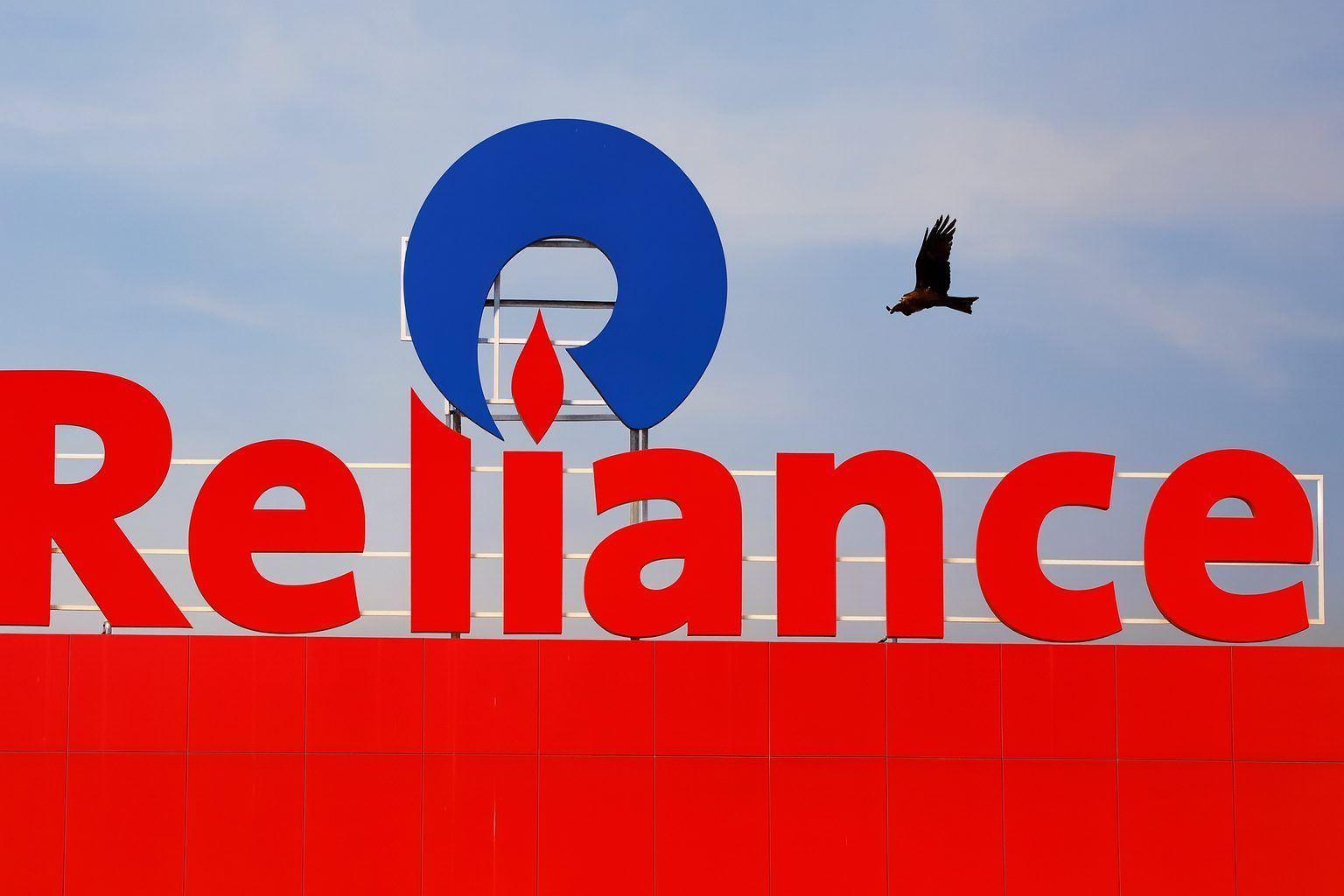
Reliance Industries Ltd (RIL) shares were trading higher on Wednesday, extending a powerful year‑to‑date rally as a fresh S&P Global Ratings upgrade, strong Q2 FY26 earnings and visible progress on the long‑awaited Jio Platforms IPO sharpen investor focus on India’s most valuable company.
Reliance Industries share price today: holding near 52‑week highs
As of late afternoon on 10 December 2025, Reliance Industries was quoted around ₹1,538–1,540 on the NSE and BSE, roughly 0.6% higher than its previous close near ₹1,529. Intraday, the stock has traded in a tight band of about ₹1,531.4 to ₹1,547.5, keeping it close to its 52‑week high of ₹1,581.30. At these levels, RIL’s market capitalisation is hovering around ₹20.8 lakh crore, cementing its status as India’s largest listed company.
So far in calendar 2025, RIL has climbed roughly 27%, far outpacing the BSE Sensex’s nearly 8% rise over the same period and setting the stock up for its best annual performance in five years. After gaining 31% in 2020, 19% in 2021, 8% in 2022 and just 1% in 2023 — followed by a 6% decline in 2024 — this year’s surge marks a sharp re‑acceleration of the Reliance trade.
Market structure: RIL is powering the Nifty 2025 rally
RIL is not just rallying; it is carrying a surprisingly large share of the broader market’s gains. A contribution analysis by Samco shows that just 10 Nifty heavyweights account for about 65% of the index’s 2025 rally, with Reliance Industries alone contributing nearly 17% of total gains. Other key contributors include HDFC Bank, Larsen & Toubro, Mahindra & Mahindra and Bharti Airtel, highlighting how concentrated the current up‑move has become.
Foreign portfolio investors are again leaning into energy and telecom. Data compiled by Economic Times suggests that overseas investors turned net buyers of Indian energy and telecom stocks in the second half of November, with allocations to Reliance specifically cited as a factor behind improved flows into the oil and gas space.
At the trading‑desk level, MarketsMojo data for 10 December 2025 flag high value turnover, strong liquidity and rising delivery volumes in RIL, even as the stock holds a relatively narrow intraday range — a profile more consistent with sustained institutional interest than with short‑term speculative spikes.
Earnings check: Q2 FY26 results underpin the optimism
The latest leg of the RIL rally has been anchored in Q2 FY26 results, declared on 17 October 2025. Across the consolidated group, Reliance reported gross revenue of around ₹2.8–2.9 lakh crore, up roughly 10% year‑on‑year, while EBITDA climbed to about ₹50,367 crore, a mid‑teens increase that pushed the margin to roughly 17.8%.
Depending on the profit metric used, net profit rose by about 10–16% year‑on‑year, with news reports quoting figures in the ₹18,000–48,500 crore range as they refer to different definitions (profit attributable to owners versus consolidated profit before one‑offs). The sequential decline in profit versus Q1 FY26 was largely due to a one‑time investment gain booked in the previous quarter, while core operating trends remained strong.
Digital services: Jio remains the growth spearhead
Digital services, housed in Jio Platforms, remain Reliance’s sharpest growth engine. As of Q2 FY26:
- Jio had over 506 million subscribers,
- 5G users crossed 234 million,
- ARPU climbed to ₹211.4 per month, and
- total data traffic jumped nearly 30% YoY to over 58 exabytes.
Segment numbers show Q2 FY26 revenue of over ₹36,000 crore from digital services, with EBITDA exceeding ₹18,700 crore and EBITDA margins above 51%, underscoring how cash‑rich the Jio franchise has become even while promotional 5G offers temporarily cap monetisation.
Retail: quick commerce, fashion and grocery drive scale
Reliance Retail continues to expand at scale. Company disclosures for Q2 FY26 indicate:
- double‑digit year‑on‑year growth across grocery, fashion & lifestyle and consumer electronics,
- quick hyperlocal commerce growing about 42% quarter‑on‑quarter and more than 200% year‑on‑year in average daily orders, and
- a store network of nearly 19,800–19,900 outlets, with over 400 new stores added in the quarter.
Collectively, the retail franchise continues to deepen its presence in grocery, fashion, electronics and quick commerce, reinforcing RIL’s pivot from pure hydrocarbons to consumer‑facing cash engines.
O2C and energy: still a profit anchor
On the legacy side, Reliance’s oil‑to‑chemicals (O2C) business is benefiting from a more favourable refining landscape. Brokerage commentary cited by Economic Times points to a “new refining Golden Age,” with under‑investment and capacity delays supporting core gross refining margins around $11–12 per barrel over FY27–28. RIL’s diesel‑heavy refining slate and integrated fuel retail operations position it to monetise this environment, even as petrochemical margins gradually normalise from prior troughs. The Economic Times+1
Balance sheet: low leverage, higher rating
RIL enters this monetisation phase with a much stronger balance sheet than in earlier capex cycles. As of September 2025, company filings show:
- Net debt of around ₹1.18 lakh crore,
- LTM EBITDA of just over ₹2.05 lakh crore, and
- Net‑debt‑to‑EBITDA of about 0.58x, a level most analysts consider comfortably conservative for a conglomerate of this scale.
On 4 December 2025, S&P Global Ratings upgraded RIL’s long‑term issuer credit rating to ‘A‑’ from ‘BBB+’, maintaining a stable outlook. The agency cited improving cash‑flow stability and a growing contribution from more predictable digital and retail earnings. S&P’s base case projects consolidated EBITDA rising about 12–14% by FY26 to between ₹1.85 trillion and ₹1.95 trillion, with digital services and the JioStar platform contributing around 43% and retail adding roughly 14%.
Crucially, S&P expects digital services and retail together to account for about 60% of group operating cash flow by FY26, with the more cyclical hydrocarbon chain contributing the remaining 40% — a structural reversal of the mix that drove Reliance for decades.
Jio IPO and the ‘fourth monetisation wave’
A fresh monetisation cycle is central to the bullish narrative on Reliance Industries.
Jio Platforms IPO: groundwork begins
In early December, Reuters and domestic media reported that Reliance has begun work on the draft red herring prospectus (DRHP) for the IPO of Jio Platforms. Bankers are said to be exploring a valuation of up to $170 billion, which — under the latest listing norms — could allow the company to raise around $4.3 billion even at minimum dilution. The listing, targeted for H1 CY26, is widely expected to be India’s largest‑ever IPO.
$80 billion capex and ‘Investment Cycle 4.0’
An in‑depth Economic Times analysis characterises the current phase as Reliance’s “fourth monetisation wave”. Since Covid, the group is estimated to have deployed roughly $80 billion in capital expenditure across telecom, retail, new energy and supporting infrastructure. Brokerage research dubbed “Investment Cycle 4.0” argues that annual capex of $14–16 billion over the next three years will, for the first time, be largely funded by operating cash flows rather than additional leverage, marking a clean break from earlier balance‑sheet‑stretching build‑outs. The Economic Times+1
Morgan Stanley’s sum‑of‑the‑parts valuation assigns an Overweight rating and a target price of ₹1,701, seeing telecom, retail and O2C — with new energy and AI‑infrastructure as high‑growth options — contributing roughly similar slices of the group’s net asset value by FY27. Jefferies and JP Morgan, meanwhile, highlight catalysts such as expected industry‑wide tariff hikes in FY26–27, continued double‑digit EBITDA growth in retail, and capital‑markets monetisation of digital and green‑energy platforms as potential drivers of a valuation re‑rating.
What analysts are saying: targets cluster around ₹1,700–1,800
Brokerage sentiment on RIL remains decidedly upbeat.
Business Standard’s review of major broker calls notes that most houses rate the stock ‘Buy’, with one‑year target prices between about ₹1,555 and ₹1,785. Business Standard+1 Kotak Institutional Equities, for instance, maintains an ‘Add’ stance with a target around ₹1,555, while ICICI Securities raised its target to ₹1,735 in October, reiterating a ‘Buy’ rating.
On the more bullish end of the spectrum:
- Motilal Oswal: Buy, ₹1,765 target, Moneycontrol
- Nuvama: Buy, ₹1,769 target, The Economic Times
- Jefferies: Buy, ₹1,785 target (reiterated when RIL hit a fresh 52‑week high on 28 November).
- Citi: Buy, ₹1,805 target, calling RIL its top oil & gas pick and implying up to 17% upside from recent prices.
Data from Trendlyne and other aggregator platforms point to an average 12‑month target around ₹1,700–1,704, roughly 10–11% above the current market price. The same platforms label RIL a “mid‑range performer” on technical momentum, but highlight that over 70% of investor votes lean towards Buy rather than Sell or Hold. mint+3Trendlyne.com+3Trendlyne.com+3
Mint’s live dashboard, which collates recommendations from multiple brokerages, tags RIL with an average rating of “Strong Buy”, consistent with the broadly constructive institutional stance. mint
Valuation vs fair‑value models
There are, however, pockets of caution. A fundamental screen from Smart‑Investing, which blends historical EV/EBITDA, EV/sales and price‑to‑sales multiples, estimates RIL’s intrinsic value at about ₹1,272.87 per share as of 9 December 2025. That is roughly 17–20% below the prevailing market price, implying the stock is trading at a premium to its own historical valuation bands and that a meaningful portion of the anticipated monetisation may already be priced in.
Key triggers to watch in 2026
Over the next 12–18 months, market participants are likely to track three big themes around Reliance Industries:
- Execution of the Jio Platforms IPO
Timelines, valuation and dilution will determine how much digital value is unlocked for RIL shareholders. The drafting of the DRHP and evolving banker proposals around a potential $170 billion valuation will be closely watched. - Telecom tariff trajectory and ARPU gains
Brokerage models referenced by Economic Times assume two industry‑wide tariff hikes of around 10% each in Q4 FY26 and Q4 FY27. Combined with rising 5G adoption and rapid home‑broadband growth — Jio now connects roughly 23 million fixed‑broadband premises and adds about 1 million homes per month — this could drive sustained ARPU expansion and incremental margin gains. - New energy and AI‑ready infrastructure
Reliance is building a fully integrated 10 GW solar manufacturing chain along with batteries, fuel cells and green hydrogen, while also positioning itself as a provider of AI‑ready data‑centre capacity powered by clean energy. Morgan Stanley values the new‑energy business at around $25 billion, and some analysts expect initial revenues from these ventures to start contributing from FY27 onward, particularly as AI‑driven data‑centre demand scales.
Risks: what could go wrong for the RIL trade?
Despite the upbeat consensus, several risk factors remain on the radar:
- Commodity and macro risk: RIL is still meaningfully exposed to refining and petrochemical cycles. A sharp fall in global refining margins, weaker demand or new supply additions could erode the cash‑flow cushion from O2C that currently supports investments in digital and new energy.
- Regulatory and competitive risk in telecom: Delays in tariff hikes, aggressive pricing responses from competitors or adverse changes in spectrum, AGR or data‑privacy rules could compress returns in Jio just as capital intensity remains high.
- Execution risk in the fourth monetisation wave: The success of the $80‑billion capex plan hinges on timely commissioning of projects, efficient ramp‑up in new energy, and successful capital‑markets monetisation of digital and infrastructure assets. Any slippage on timelines, budgets or regulatory approvals could hinder the re‑rating thesis.
- Valuation and market‑breadth concerns: With RIL trading near its 52‑week high and significantly above some fair‑value estimates, incremental upside may depend on flawless execution. The broader Nifty rally is already narrow, heavily concentrated in a few mega‑caps — Reliance foremost among them — which can amplify downside if sentiment reverses.
Bottom line
As of 10 December 2025, Reliance Industries sits at the intersection of strong operating momentum, a freshly upgraded A‑ credit profile, and a dense pipeline of catalysts ranging from the Jio IPO to AI‑linked data‑centre expansion and large‑scale new‑energy deployment. The stock has already delivered one of its best yearly performances in half a decade and trades close to record territory, yet most broker models still pencil in double‑digit upside over the next 12 months, anchored in expectations of rising cash flows from digital, retail and energy.
For investors, the RIL story now is less about uncovering a hidden bargain and more about judging whether India’s most widely held mega‑cap can convert an $80‑billion post‑Covid capex spree into a new era of cash‑rich, diversified growth without over‑leveraging the balance sheet. How smoothly that “fourth monetisation wave” unfolds — and how global macro and domestic regulation behave along the way — will likely decide whether Reliance’s remarkable 2025 rally extends into 2026 or pauses for consolidation. The Economic Times+2Samco+2
Related articles: NSE:RELIANCE