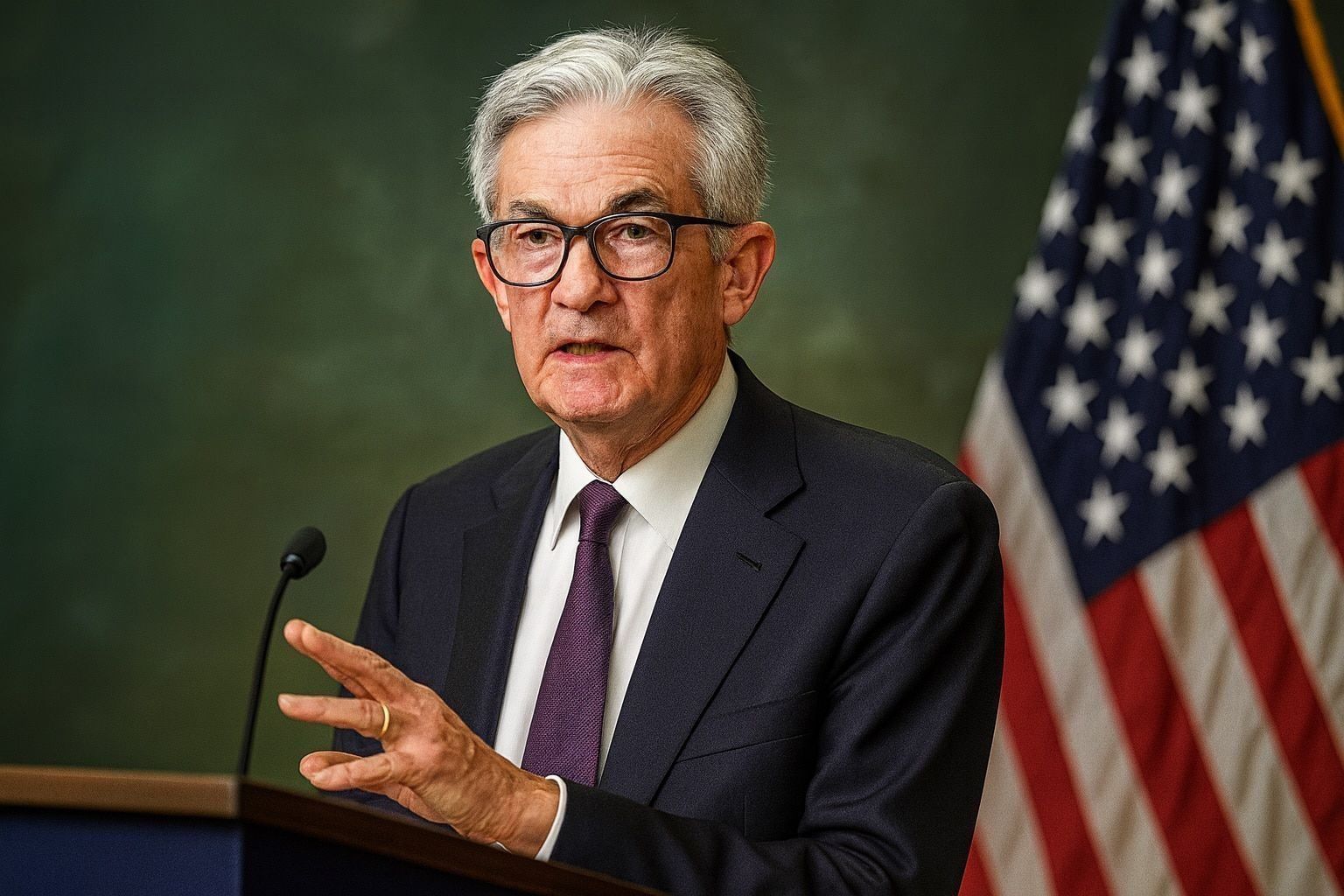

Updated: December 10, 2025 – before the Fed’s decision is announced
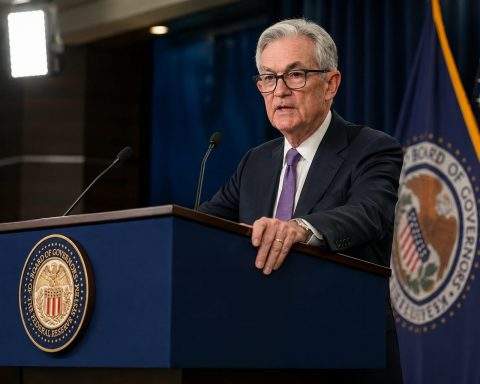
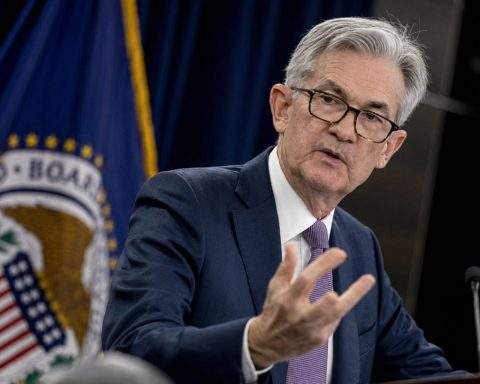
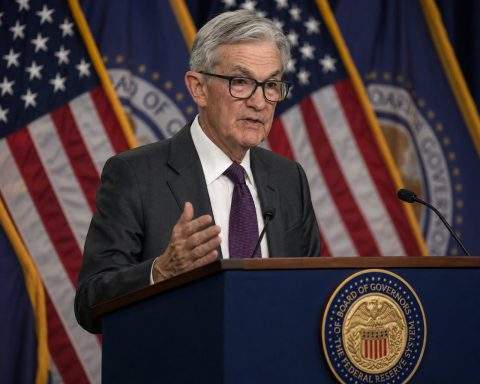
The Federal Reserve wraps up its final policy meeting of 2025 today, and markets are almost certain the central bank will cut interest rates again. Fed funds futures put the odds of a 0.25 percentage point (“25‑basis‑point”) rate cut at roughly 85–90%, implying a move from the current 3.75%–4.00% target range down to 3.50%–3.75%. Reuters+3Trading Economics+3Reuters+3
Yet behind that apparent consensus is real drama: Fed officials are split, inflation is still above target, the job market is cooling but not collapsing, and a politically charged debate over how fast to ease policy is intensifying.
So: Fed rate cut or not? Here’s where things stand this morning, what the main scenarios look like, and how today’s decision could affect borrowers, savers and markets.
1. Where Interest Rates Stand Going Into Today’s Meeting
The December 9–10 FOMC meeting is the Fed’s final scheduled gathering of 2025.
A quick recap of this year’s cuts
After keeping rates unchanged through the first half of 2025, the Fed finally pivoted in September:
- September 17, 2025:
First rate cut of the year – the Fed lowered its benchmark federal funds target range by 25 bps to 4.00%–4.25%, citing mounting labor‑market weakness and rising downside risks to employment. - October 29, 2025:
The second 25‑bp cut brought the range down to 3.75%–4.00%. The FOMC also announced it would stop shrinking its balance sheet as of December 1, ending “quantitative tightening.” Two officials dissented: one wanted a larger 0.5‑point cut, another preferred no change. Federal Reserve+1
If markets are right and the Fed cuts again today, that would be three consecutive 25‑bp cuts in September, October and December, exactly the pattern many Wall Street economists, including Goldman Sachs, have been forecasting since mid‑year.
2. What Markets Are Pricing In: “Cut Now, Pause Later”
Futures say: cut today, caution tomorrow
Across global markets, investors are behaving as if a December cut is almost a done deal:
- Reuters and Morningstar report that futures imply an ~86–89% probability of a 25‑bp cut at this meeting.
- Trading Economics and other trackers say the expected new range is 3.50%–3.75%.
- Global stock benchmarks are trading nervously but not panicking: modest declines in Europe and Asia, with investors explicitly “on tenterhooks” ahead of what would be the third cut this year. AP News+2Reuters+2
The CME FedWatch tool – the go‑to dashboard for rate‑probability nerds – shows markets strongly skewed toward a single 25‑bp move today, and then a high chance of no further change at the next meeting in January.
In other words, markets are betting on a “one more cut, then see what happens” message from the Fed.
3. The Economic Backdrop: Softening Jobs, Sticky Inflation
The Fed’s rate decision is all about its dual mandate: maximum employment and stable prices (2% inflation over time).
Inflation: no longer scorching, but still too hot for comfort
The latest official data show:
- Consumer Price Index (CPI):
U.S. headline CPI inflation is running at about 3.0% year‑over‑year as of September 2025, up slightly from 2.9% in August. - PCE inflation (the Fed’s preferred gauge):
Headline PCE inflation is around 2.8% year‑over‑year, with core PCE (excluding food and energy) also at roughly 2.8%—down from earlier peaks but still above the Fed’s 2% goal.
So inflation is much lower than in 2022–23, but progress has stalled just above 2%, which is exactly what makes some Fed officials nervous about cutting too aggressively.
Jobs: cooling, not crashing
On the labor‑market side, the picture is the opposite: cooling more than the Fed would like.
- Unemployment:
The jobless rate stood at 4.4% in September 2025, up from 4.1% a year earlier. Payrolls rose by just 119,000 that month, and job growth since April has been weak. - Job openings and hiring:
Job openings were about 7.67 million in October, only slightly higher than September but well below the 12‑million peak in 2022. At the same time, hiring fell and layoffs ticked up, leading economists to describe a “no-hire, no‑fire” labour market: firms reluctant to either expand or cut aggressively. Reuters+2Financial Times+2
A long federal government shutdown earlier this autumn delayed some key data releases, forcing policymakers to fly a bit more blind than usual—another reason they emphasize “data dependence” but also stress risk management: erring slightly on the side of protecting jobs while inflation hovers just above target. Bureau of Labor Statistics+2Inflation Calculator+2
Growth: surprisingly resilient
Despite weaker hiring, overall economic activity has held up:
- Real GDP grew at an annualized 3.8% in Q2 2025, and nowcasting models from the Atlanta Fed point to around 3.5% in Q3.
- Surveys of professional forecasters and private‑sector economists see around 2% growth in 2025–26, close to or slightly above most estimates of long‑run potential.
Put together, the backdrop looks like this:
Growth decent, inflation a bit too high, labor market slowly weakening.
That combination is exactly why markets expect a small, cautious rate cut today rather than a bigger move or a complete halt.
4. Inside the Fed: Hawks, Doves – and Politics
A divided FOMC
The September and October meetings revealed a Fed that is far from unanimous:
- In October, one policymaker wanted a bigger 50‑bp cut, while another wanted no cut at all, underscoring a wide range of views on how urgent easing really is.
- A vocal hawkish faction has publicly warned that cutting again in December risks stalling or reversing progress on inflation, arguing that recent data show price pressures could prove more stubborn than hoped.
- On the other side, doves highlight rising unemployment, weak hiring, and lagging indicators of labor stress as evidence that policy is still too tight after the sharp hikes of 2022–23.
Bloomberg has described “unusual drama” around this meeting, noting that while a cut is widely expected, it’s unclear how many voters will fully support it, and how hawkish the overall message will sound. Bloomberg
Political pressure and the next Fed chair
Layered on top of the economics is a highly charged political backdrop:
- President Donald Trump has repeatedly pushed for faster and deeper rate cuts, calling current policy “too tight.” Reuters+1
- White House economic adviser Kevin Hassett, widely seen as the frontrunner to replace Jerome Powell when his term ends in May 2026, told the Wall Street Journal’s CEO Council there is “plenty of room” to cut rates further—though he acknowledged that a renewed inflation flare‑up could change that. Reuters+1
- Analysts warn that overt political pressure and debate over Fed leadership could undermine perceptions of the central bank’s independence, which has been a cornerstone of its ability to control inflation since the Volcker era.
Fed officials insist they are not responding to politics, but markets are keenly aware that 2026 will bring new leadership and potentially a different tolerance for inflation and unemployment, which feeds into expectations for the path of rates beyond December.
5. What a December Rate Cut Would Mean for Consumers
If the Fed cuts today as expected, the immediate numerical change—0.25 percentage point lower on an overnight benchmark—sounds small. But it ripples through the financial system over time.
Here’s what a third consecutive Fed rate cut generally means for households and businesses:
Likely to become cheaper
- Credit cards & personal loans:
Many variable‑rate products are linked to the prime rate, which closely tracks the Fed funds rate. A cut tends to trim interest on revolving credit, slightly lowering monthly payments over time (though banks don’t always pass on the full amount). - Auto loans & small‑business borrowing:
Financing costs for cars, equipment and working‑capital loans usually ease gradually as banks adjust their rate sheets, making new borrowing somewhat more affordable. - Home equity lines (HELOCs):
These are often variable‑rate and can drop fairly quickly after a Fed cut, reducing interest charges for borrowers with outstanding balances.
Likely to become less rewarding
- High‑yield savings accounts & CDs:
Savers have benefited from the highest deposit rates in years. With three cuts in a row, banks are already nudging deposit rates lower, and another cut will reinforce that trend. - Money‑market funds:
Yields on cash‑like vehicles are also tied to short‑term rates and will edge down if the Fed cuts again.
Mortgages: already moving
By December, much of the effect on 30‑year fixed mortgage rates is already baked in, because markets move in anticipation of Fed action. Mortgage rates have eased from their peaks as investors increasingly price in a string of cuts, though housing affordability is still stretched in many markets.
For most people, the practical impact of a single 25‑bp cut is modest; what matters more is the overall direction of policy—whether this is the last cut, or just one step in a longer easing cycle.
6. 2026 Outlook: Do Cuts Keep Coming or Stop After December?
Today’s decision is effectively the first chapter of the 2026 story. Analysts are surprisingly divided about what comes next.
Big‑bank forecasts
- Bank of America (BofA):
Expects a 25‑bp cut today and two more quarter‑point cuts in June and July 2026, bringing the terminal rate down to 3.00%–3.25%. BofA explicitly links this to expected changes in Fed leadership, not to a forecast of a deep slowdown. - Goldman Sachs:
Forecasts that the Fed cuts today, then pauses in January, and resumes easing with two further cuts in March and June 2026, also targeting a 3.00%–3.25% terminal range. - Wells Fargo and others:
Some institutional outlooks project roughly three additional cuts between now and end‑2026, but stress that the pace will be “gradual and data‑dependent” rather than a rapid return to near‑zero rates. wellsfargoadvisors.com+1
Market skepticism
Bond traders, however, are less convinced about a long cutting cycle:
- Bloomberg reports that many in the rates market doubt the Fed will keep cutting past December unless the economy deteriorates more sharply, with traders increasingly pricing only limited easing in 2026.
- Some strategists warn of a “hawkish cut” dynamic: the Fed cuts today but simultaneously raises its own rate forecasts or toughens its inflation language, effectively telling markets, “Don’t get used to this.” Yahoo Finance+1
Others see room for more easing than markets expect. Morgan Stanley’s Michael Wilson, for instance, argues that persistent pockets of labor‑market weakness could force the Fed to cut further in 2026 without derailing growth, benefiting equities in the process.
7. Balance Sheet Surprises: Beyond Just Rate Cuts
Rates aren’t the only lever the Fed can pull.
Reuters reports that strategists at Bank of America expect the Fed not only to cut by 25 bps, but also to announce or hint at large‑scale short‑term Treasury bill purchases starting in January—perhaps around $45–60 billion per month once reinvestments are included.
This would be branded as “reserve management” rather than classic quantitative easing, aimed at keeping bank reserves “ample” and avoiding money market stress rather than trying to crash long‑term yields. But any move that expands the balance sheet may still look like easing on steroids to some politicians and investors.
If the Fed unveils such a plan today, it could soften financial conditions even more than a simple rate cut suggests—especially in short‑term funding markets.
8. Three Main Scenarios for Today’s Decision
At the time of writing, before the Fed publishes its statement and new economic projections, most analysts see three broad possibilities.
Scenario 1: Base Case – 25‑bp cut with hawkish guidance
What it looks like
- Fed cuts the target range to 3.50%–3.75%.
- The new Summary of Economic Projections (the “dot plot”) shows only one or two additional cuts through the end of 2026, or even just today’s move followed by a long pause. Goldman Sachs+2Reuters+2
- Powell emphasizes that inflation is still above 2%, and that the committee is “prepared to hold or even raise” rates if price pressures re‑accelerate.
Likely impact
- Stocks might initially cheer the cut but struggle if the dots and Powell’s tone look more hawkish than futures implied.
- Yields on shorter‑dated Treasuries could fall modestly, but the longer end of the curve might rise if traders decide future cuts will be scarce.
- For households, nothing dramatic changes overnight, but this scenario effectively says: “Don’t expect a flood of cheap money.”
This is the scenario most consistent with current pricing in futures, global markets reaction, and mainstream research forecasts.
Scenario 2: Hawkish Surprise – No Cut
What it looks like
- FOMC votes to leave rates at 3.75%–4.00%, arguing that the recent inflation data, strong GDP, or financial conditions don’t justify another cut right now.
- Powell leans heavily on the message that the Fed is “not on a preset course” and that political pressure plays no role.
Why it could happen
- Several hawkish officials have already argued publicly against a December cut, citing still‑elevated core inflation and worries that easing too quickly could let price pressures re‑ignite.
- The Fed might also be uncomfortable delivering a cut that markets have effectively pre‑spent if it fears triggering asset‑price excesses.
Likely impact
- Because markets are so heavily priced for a cut, a hold would almost certainly jolt stocks and bonds: equity indices could sell off, short‑term yields might spike, and the dollar would likely strengthen.
- Longer term, though, the Fed might argue that this path reduces the risk of back‑tracking later with emergency hikes.
This scenario is low‑probability but high‑impact—the kind of surprise that traders lose sleep over.
Scenario 3: Dovish Surprise – Larger Cut or Softer 2026 Path
What it looks like
- Fed cuts 50 bps instead of 25, or
- Sticks to 25 bps but dot‑plot projections show more and earlier cuts in 2026 than markets currently expect, effectively embracing something closer to what BofA or some political voices have been urging.
Why it could happen
- If internal Fed forecasts show faster labor‑market deterioration than public data suggest, or greater worries about the delayed government statistics, doves could argue for “getting ahead” of a potential downturn. Bureau of Labor Statistics+2Reuters+2
Likely impact
- Risk assets (especially small‑caps and highly leveraged sectors) would likely rally, at least initially.
- Bond yields across the curve would probably fall, and expectations for 2026 cuts would re‑price higher.
- But a strongly dovish move could also raise inflation‑credibility questions, especially with critics already claiming the Fed has become too political.
This scenario appears less likely than the base case given the public emphasis on “gradual” and “data‑dependent” easing—but it can’t be completely ruled out.
9. So… Fed Rate Cut or Not?
Putting all the pieces together:
- Markets, major banks and most analysts overwhelmingly expect a 25‑bp rate cut today, which would take the federal funds target range to 3.50%–3.75% and mark the third cut of 2025.
- The bigger uncertainty is not today’s move, but the path beyond it:
- Some see two more cuts in 2026 and a terminal rate around 3.0%–3.25%.
- Bond markets are more skeptical, pricing a much shallower easing cycle unless the economy weakens sharply.
- Political pressure and the looming change in Fed leadership add another layer of uncertainty about how tolerant the central bank will be of 3%‑ish inflation in a softening labor market.
For households, the practical takeaway is straightforward:
- If you borrow (credit cards, auto loans, variable‑rate debt), today’s meeting is likely to nudge your rates slightly lower over time, but not transform the landscape overnight.
- If you save, expect the peak in deposit and money‑market yields to be behind us, with gradual declines as banks re‑price.
- If you invest, the key isn’t just whether the Fed cuts, but what it signals about 2026 and how that reshapes expectations for growth, earnings and inflation.
Until the statement and projections hit the wires later today, “Fed rate cut or not?” is technically still an open question. But based on current pricing and commentary, the real headline may turn out to be:
“Fed cuts again – but keeps markets guessing about how much more relief is coming.”
This article is for informational purposes only and does not constitute financial, investment, or trading advice. Always consider your own circumstances or consult a qualified professional before making financial decisions.
Related articles: Interest Rates