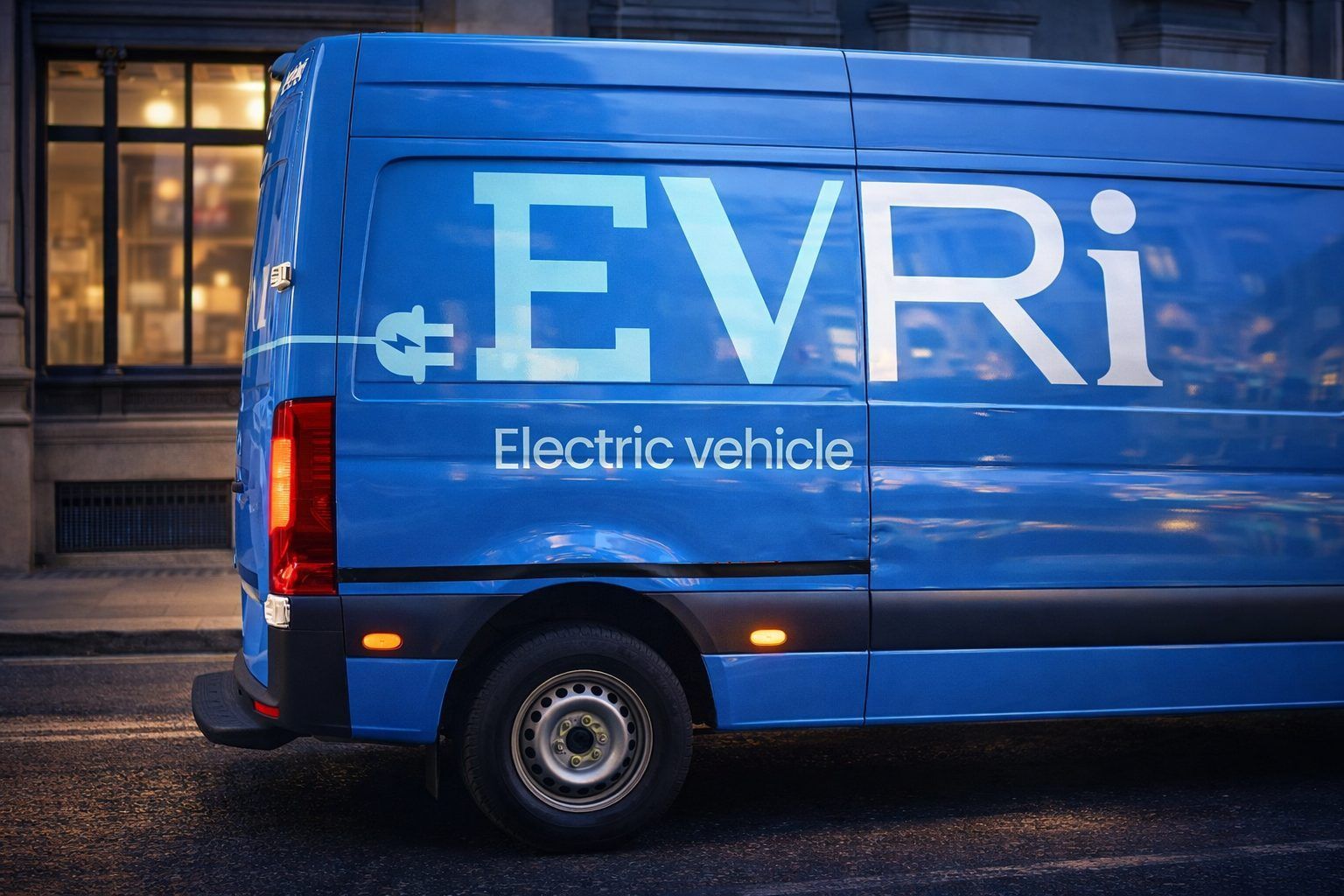
As the UK’s Christmas delivery rush peaks, Evri is facing a fresh wave of scrutiny over how parcels are handled, why so many customers report missing or delayed deliveries, and whether the company’s pay-per-parcel model is pushing couriers into rushed, corner-cutting behaviour.
Today’s news cycle brings three connected strands into sharp focus: a BBC Panorama investigation into delivery practices, local complaints from Lincolnshire customers who say parcels are arriving late—or not at all—and a growing public debate about what Evri delivery drivers really earn once time, fuel and workload are factored in.
What BBC Panorama alleges: pressure, speed and “throwing” parcels
BBC Panorama’s latest investigation goes undercover inside an Evri delivery unit and interviews current and former workers about the realities of the job. In one filmed exchange reported from the programme, a courier is shown advising colleagues to “throw parcels at the back door” to save time—an example that, if representative, suggests speed can override careful delivery standards when rounds are tight and earnings depend on successful drops. Upday News+1
The report, as summarised today, describes how some couriers say they’re incentivised to find “safe places” and leave parcels quickly—because, as one worker puts it, they “only get paid if the parcel is delivered.” Upday News+1
Panorama’s reporting (as relayed in today’s coverage) also includes claims from long-serving couriers that misdeliveries and missing parcels are not rare anomalies. One experienced courier is quoted describing how “parcels go missing” and how “piles of parcels are found in hedges,” painting a picture of operational strain during heavy volume periods. Upday News
Evri has not accepted the overall framing of wrongdoing. In the responses reported alongside the investigation, the company disputes parts of the programme’s conclusions and says its couriers “do an excellent job” and are trained to follow delivery standards. Upday News
The data backdrop: Ofcom’s latest findings on delivery satisfaction and problems
The Panorama claims land against a wider backdrop of consumer frustration with parcel delivery across the UK—not just with Evri, but across multiple firms.
Ofcom’s 2025 data shows overall satisfaction with delivery companies averaging 78%, but satisfaction and dissatisfaction vary sharply by operator. In the latest published chart, Evri sits at 73% satisfied with 14% dissatisfied—one of the highest dissatisfaction rates in the comparison set.
Ofcom’s survey breakdown of delivery issues also highlights how common certain problems are across the sector. Its report shows delivery delays as one of the most frequently reported issues overall, alongside parcels being left in inappropriate locations.
This matters because it frames a key question raised by the Panorama allegations: if customers report widespread delivery issues, how much of that is down to seasonal volume pressure—and how much is connected to how couriers are paid and managed?
Lincolnshire complaints: parcels “marked as delivered” but not arriving
Alongside the national Panorama story, a separate BBC report focuses on local anger in Lincolnshire, where more than 80 customers have contacted the BBC to complain about Evri. The BBC’s local headline summary says customers are frustrated by delays and parcels failing to arrive despite being marked as delivered—a scenario that can leave buyers stuck between a courier’s tracking status and the reality of an empty doorstep.
While individual delivery failures can have many causes (wrong address photos, mis-scans, “safe place” misunderstandings, building access issues, or theft), the complaints add fuel to the argument that the system is not consistently working for customers during the most time-sensitive shopping window of the year.
The pay question: what do Evri delivery drivers earn in practice?
The most contentious part of the current debate is not only what’s happening to parcels, but why couriers say it happens.
Evri relies heavily on a courier model where pay is commonly linked to completed deliveries. The Yahoo UK explainer circulating today reports that pay can vary by package and that Evri may pay as little as 35p for some items, after introducing a new “small packets” size category earlier in the year. Yahoo News UK
That figure is politically explosive because it shapes what “a good day” looks like for a driver:
- If per-parcel rates fall, couriers may need to deliver more parcels per hour to maintain earnings.
- More parcels per hour can translate into less time per doorstep—less time to find the right address, secure a safe location, get a proof-of-delivery photo, or handle “fragile” items appropriately.
- In a high-volume Christmas week, the gap between “done right” and “done fast” can become the difference between meeting a round and falling behind.
Former courier testimony highlighted in today’s reporting points to exactly that pressure. One ex-courier described leaving after January pay changes, saying he believed he would now earn around £10 per hour—below the UK’s National Living Wage of £12.21 (for workers aged 21 and over) that applies in 2025.
Evri’s response: “above minimum wage” earnings and investment claims
Evri disputes the idea that its model forces underpayment or systemic corner-cutting.
In the statements reported today, Evri points to claims that couriers’ earnings are significantly above the National Living Wage—one cited figure is that average earnings “exceeded £20 an hour.” Upday News
The company is also publicly positioning itself as expanding and investing—particularly relevant during peak season. In its own announcements ahead of Black Friday, Evri said couriers deliver more than 900 million parcels a year, and it expected to reach more than 30,000 couriers for the festive season as part of scaling capacity.
This is the heart of the current conflict:
- Evri’s case: the network is large, volumes are surging, the vast majority of parcels arrive, and couriers can earn above minimum wage.
- Critics’ case: the pay structure and operational pressure create incentives to rush, and the customer experience data plus complaint volumes show the system is failing too often—especially in vulnerable periods like Christmas.
MPs are now weighing in: “something rotten” and calls for action
Political pressure on Evri isn’t limited to social media complaints.
In recent days, MPs have escalated the issue in multiple regions. Retail Technology Innovation Hub reported that MPs wrote directly to Evri CEO Martijn de Lange, citing constituent reports of parcels being dumped, misdelivered, or marked delivered without reaching the recipient—and asking what measures are in place to cope with seasonal demand.
Separately, Conservative MP Graham Stuart has raised the issue in Parliament and argued that reduced per-parcel payment can mean couriers “can, in some cases, earn below the minimum wage,” while also saying support systems have been stripped back. He used unusually blunt language, saying: “There’s something rotten in the state of Evri.” Graham Stuart MP
That combination—customer anger, investigative reporting, and parliamentary attention—creates a rare moment where a delivery firm’s “behind the scenes” economics are becoming mainstream news.
A timely parallel: government warning seasonal workers to “check your pay”
One reason the Evri pay debate is gaining traction today is that it overlaps with a wider government message about seasonal work.
A UK government press release published today urges people working over Christmas to “check your pay,” highlighting the current National Living Wage rate of £12.21 (age 21+) and pointing out that underpayment often comes from unpaid working time and deductions. It also reminds workers they can report concerns confidentially to HMRC. GOV.UK
While Evri couriers are often self-employed (and the legal detail differs from traditional payroll employment), the government’s message reinforces a broader public sensitivity to pay fairness at the exact moment courier pay is under a microscope.
What this means for shoppers right now
If you’re waiting on deliveries this week, the immediate issue is practical: how to reduce the risk of non-delivery and what to do if a parcel goes missing.
A few reality-based steps can help:
- Track early and act fast: If tracking appears stuck or a parcel is marked delivered but missing, contact the retailer quickly. Retailers usually have the contractual responsibility to resolve non-delivery disputes with couriers.
- Be careful with “safe place” settings: “Safe place” instructions can reduce failed delivery attempts, but they can also increase risk if the location isn’t truly secure or if multiple households share entrances.
- Use out-of-home options when possible: Lockers, parcel shops, and pick-up points can reduce doorstep risk during peak theft and misdelivery periods—particularly for higher-value items.
- Document issues: Keep screenshots of tracking, delivery photos, and any messages. This helps if you need to escalate with a retailer or payment provider.
What to watch next for Evri
The key question after today’s headlines is whether this moment becomes a genuine turning point—or another seasonal spike in anger that fades in January.
Three signals will matter:
- Operational changes: Will Evri adjust processes (scanning, proof-of-delivery standards, depot workflow) to reduce “marked delivered but missing” reports?
- Pay model clarity: Will the company provide more transparent, independently verifiable data on typical courier earnings after costs and time are included?
- Regulatory and political escalation: With MPs raising the issue and Ofcom data showing notable dissatisfaction, will there be stronger scrutiny of how parcel delivery performance and customer service are regulated?
For now, the story is not just about individual missing parcels. It’s about whether a low-cost, high-volume delivery model can scale during the UK’s biggest shopping season without pushing workers and customers into a cycle of rushed deliveries, disputes, and distrust—exactly the kind of pressure-cooker that Panorama set out to expose.