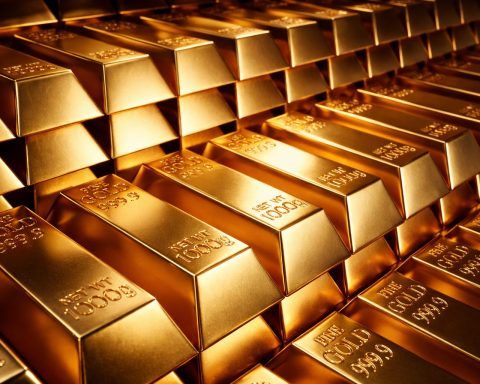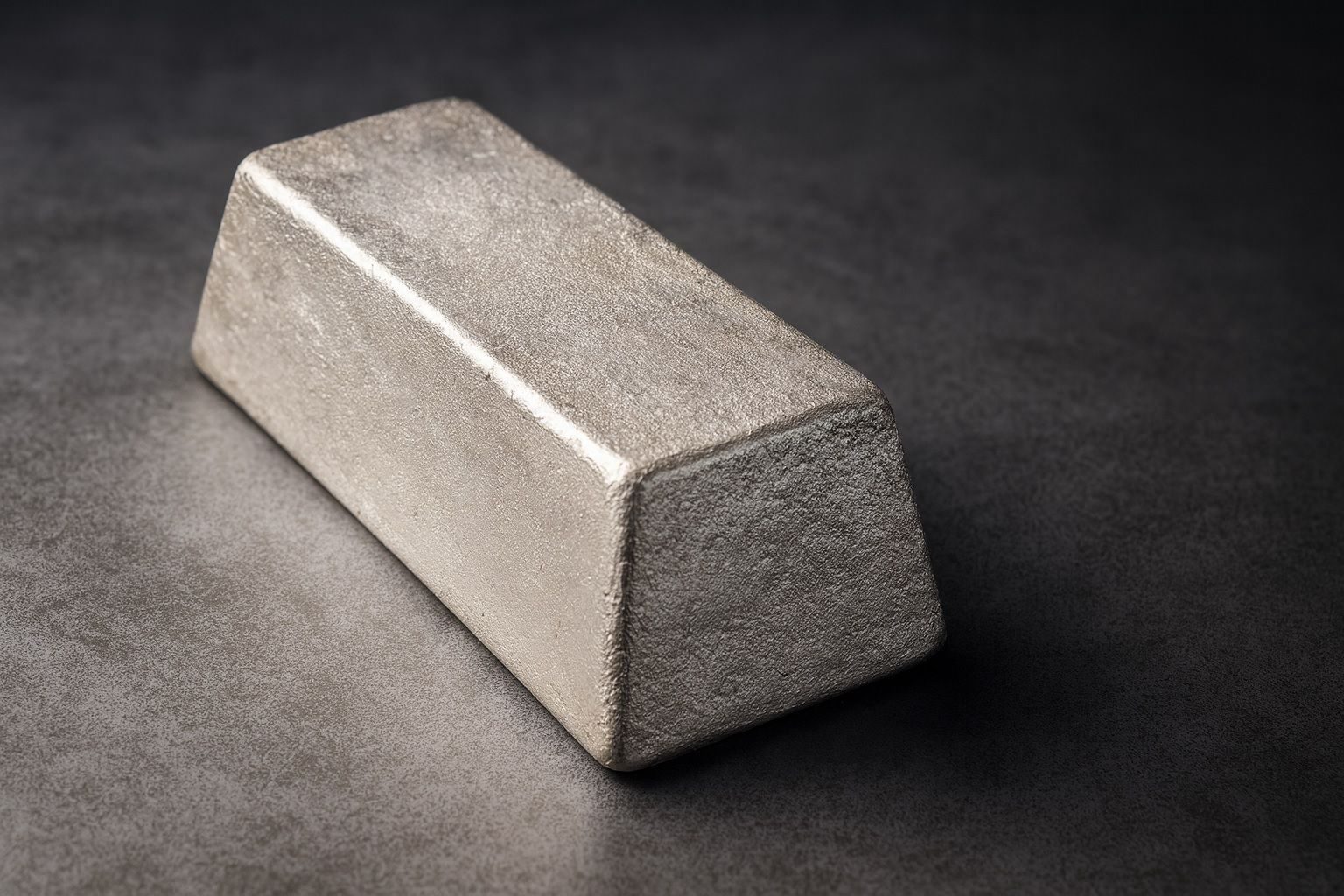

Silver powered to fresh record territory on December 25, 2025, stretching a year‑end rally that has turned the “white metal” into one of 2025’s biggest market stories. In thin holiday trading, spot silver climbed above $73.78 an ounce and was around $73.68 early in Singapore, while gold traded near record highs around $4,502.75—a rare Christmas Day reminder that the world’s “hard‑asset” trade isn’t taking a holiday. mint
The move caps a dizzying two‑day sprint: silver first cracked the once‑unthinkable $70 level on December 23, then pushed to new highs near $72–$73 by Christmas Eve, before extending gains again on December 25. Behind the surge is a powerful mix of geopolitical risk, expectations for more U.S. rate cuts, a weaker dollar, and a silver‑specific squeeze from tight inventories and supply dislocations—all amplified by low liquidity at year‑end.
What happened on Dec. 25: Silver sets a new record as gold stays near the top
With many major markets closed for Christmas, price action concentrated in the pockets of liquidity that remained open. That’s where silver made headlines:
- Silver: up sharply for a fifth session, printing a new record above $73.78/oz and trading around $73.68/oz early in Singapore.
- Gold: up modestly but hovering near historic highs, around $4,502.75/oz in the same window.
The rally’s tone was “risk‑aware,” not euphoric: traders pointed to persistent geopolitical tensions and the market’s growing conviction that U.S. borrowing costs are likely to fall further in 2026—conditions that typically favor non‑yielding metals. mint
How silver jumped from $70 to $73+ in about 48 hours
Silver’s record run didn’t start on Christmas Day—it accelerated into it.
Dec. 23, 2025: Reuters reported spot silver scaled $70/oz for the first time, citing strong industrial and investment demand, tightening inventories, geopolitical tensions, and expectations of further U.S. rate cuts.
Later that day, a separate Reuters report highlighted just how strong the underlying bid had become: silver pushed higher again, with one market strategist pointing to a market in deficit and rising industrial demand, plus the support of a weaker dollar and lower yields.
Dec. 24, 2025 (Christmas Eve): Gold, silver, and platinum “took a breather” after a record‑setting run. Reuters noted silver hit an all‑time high of $72.70/oz and traded around $71.94/oz later in the session—still exceptionally elevated. Reuters
A widely circulated price tracker also put silver around $72/oz early on Dec. 24 in U.S. time, underscoring how quickly the market reset its notion of “normal.” Fortune
Dec. 25, 2025 (Christmas Day): Silver extended the rally again, printing above $73.78/oz in holiday trade.
Why this silver rally has been so explosive
Silver is behaving like two assets at once: a safe haven, and a high‑beta industrial metal. When both sides of that identity line up, price moves can be dramatic—especially in thin markets.
1) A macro tailwind: rate‑cut expectations and a weaker dollar
Gold’s rise has been reinforced by a simple mechanism: when markets expect lower interest rates, the opportunity cost of holding non‑yielding assets like gold and silver tends to fall. Reuters noted that the U.S. central bank has already cut rates three times in 2025, and traders were pricing two more cuts next year at the time of the Dec. 24 report.
The political overlay is also part of the narrative. Reuters reported that U.S. President Donald Trump said he wants the next Federal Reserve chair to lower interest rates if markets are doing well—comments that can shape expectations for the policy path and, by extension, precious‑metals demand.
2) Geopolitical tension: the classic safe‑haven bid is back
Precious metals also benefited from renewed focus on geopolitical flashpoints. Reuters’ Dec. 24 report highlighted developments tied to a Venezuela‑linked oil tanker, and earlier Reuters reporting referenced U.S.–Venezuela tensions as a factor supporting the broader precious‑metals move.
That same risk‑sensitive backdrop was echoed in Christmas Day market commentary: silver’s move was framed as part of a broader precious‑metals rally sustained by geopolitical uncertainty.
3) Silver’s supply-and-demand story: tight inventories meet industrial demand
Unlike gold, silver’s demand is not just investment‑driven. Reuters has repeatedly emphasized silver’s structural supply deficit and the importance of industrial demand—from solar and EVs to the AI data‑center buildout—as supportive pillars under the 2025 price surge.
On Dec. 23, Reuters quoted a senior metals strategist describing a market shaped by five years of deficit, alongside increasing industrial demand and macro tailwinds such as weaker dollar expectations and lower yields.
Christmas Day updates also referenced persistent supply dislocations and strong speculative inflows, pointing to conditions that can sharpen price moves when buyers rush into a tight market.
Gold near records, but silver is stealing the spotlight
Gold’s rally is huge—yet silver’s 2025 run has been even more eye‑catching. Reuters noted silver’s year‑to‑date surge has meaningfully outpaced gold’s gains, even after some profit‑taking into Christmas Eve.
One way to understand the difference is the buyer base:
- Gold benefits heavily from institutional and central‑bank demand.
- Silver has a larger industrial footprint and tends to be more volatile.
A Dec. 25 analysis from The Straits Times captured that contrast directly, noting that central banks don’t treat silver as a reserve asset in the way they do gold, and that silver’s demand is more closely tied to economic activity—making it the more “swingy” metal even in a bullish regime. The Straits Times
“Silver steals Christmas”: why the story caught fire beyond trading desks
The silver rally also spilled into mainstream conversation because it created unusual comparisons. A Dec. 25 report highlighted silver’s 2025 surge and cited third‑party market‑cap estimates suggesting silver’s notional market value had moved into the same neighborhood as mega‑cap tech names.
While “silver market cap” isn’t a standardized metric like a company’s equity value, the popularity of that framing shows how far the story has traveled: silver’s move isn’t just another commodities rally—it’s being treated as a defining macro trade of late 2025.
What happens next: $75 is the new “round number,” but pullback risk is real
After a move of this magnitude, the market’s next question is whether silver consolidates—or keeps sprinting.
On Dec. 23, Reuters quoted a senior metals strategist at Zaner Metals who flagged $75/oz as the next target but warned that year‑end profit‑taking could trigger a pullback. Reuters
On Dec. 24, Reuters also quoted Kitco Metals’ Jim Wyckoff pointing to $75 for silver as a bullish target into year‑end, while noting the market was already seeing some consolidation and mild profit‑taking after record highs.
Looking into 2026, the range of forecasts is wide—another hallmark of a volatile bull market. The Straits Times cited expectations that silver could average in a broad band next year, with upside spikes possible if rate cuts exceed expectations, but downside risk if a sharper global slowdown hits industrial demand.
Bottom line
Silver’s record on Dec. 25, 2025 wasn’t a one‑off holiday anomaly—it was the latest expression of a trend that has been building all month: lower‑rate expectations, geopolitical uncertainty, and a tight physical market meeting industrial demand that is difficult to switch off quickly.
But silver’s defining feature is also its biggest risk: it can move fast in both directions. With $70 now in the rear‑view mirror and $75 becoming the next psychological marker, investors and end‑users are watching whether this rally broadens—or whether thin liquidity and profit‑taking finally force a deeper reset.
Related articles: Gold Prices