
NEW YORK — 26.12.2025 (10:14 a.m. EST) — The Dow Jones Industrial Average (DJIA) was little changed in late-morning trade Friday as U.S. equities digested a quiet, low-volume “bridge” session following the Christmas holiday. Around 10:14 a.m. EST, the Dow traded near 48,698, down about 0.1%, after opening close to 48,712 and staying within a narrow early range. Investing
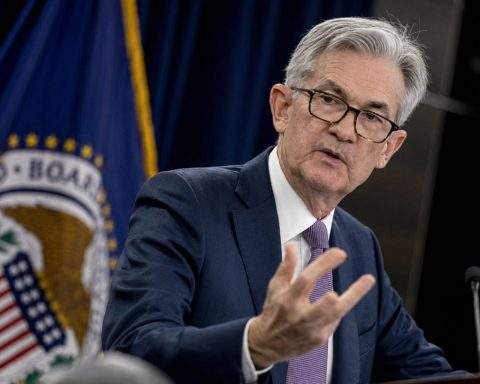
The muted action isn’t surprising for the day-after-Christmas session, when many institutional desks remain lightly staffed and liquidity can be thin. Still, the Dow’s ability to hold near record territory keeps attention on the late-December Santa Claus rally window and on what could be the next major driver: the Federal Reserve’s policy path heading into 2026.
Dow Jones at 10:14 a.m. EST: Where the DJIA Stands
By late morning, the Dow was effectively flat-to-lower versus Wednesday’s record close, reflecting a market that’s pausing rather than reversing.
Key intraday markers around the time of this update:
- DJIA: ~48,698 (about -0.07%)
- Session tone: narrow range, light directional conviction
- Prior close:48,731.16
- Day’s early range: roughly 48,678 to 48,782 Investing
At the opening bell, Reuters described an equally subdued start, with the Dow essentially flat and the broader market slightly positive.
Why the Dow Is Flat: Holiday Liquidity and Year‑End Positioning
Friday’s price action is being shaped as much by market structure as by fresh headlines. With few major economic releases scheduled and limited earnings catalysts, trading has leaned toward small, incremental moves—the kind that can look “sticky” near highs.
Charles Schwab’s morning note highlighted that this session is expected to be quiet and cautioned that low volume can exaggerate price swings, even when the headlines are calm.
That dynamic matters particularly for the Dow, which is price-weighted—meaning higher-priced components can sway the index more than lower-priced ones, regardless of company size. MarketWatch has previously quantified this impact: a $1 move in a Dow component can translate into multiple Dow points.
The Macro Backdrop: Rate‑Cut Expectations and a Key Fed Read Next Week
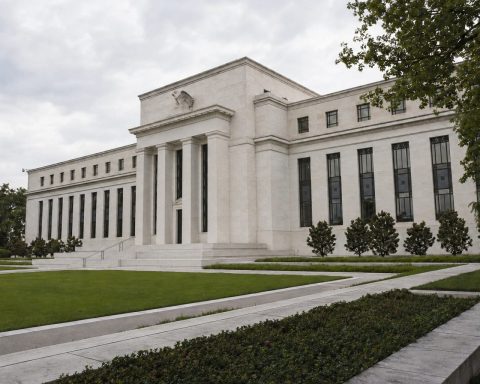
Even on a quiet tape, the market’s central narrative remains the same: how quickly—and how far—the Fed can ease in 2026 without reigniting inflation pressure.
Reuters’ week-ahead preview noted that investors are focused on the Fed’s next steps after a string of 2025 cuts, and pointed to the coming release of Fed meeting minutes as the next potentially market-moving event.
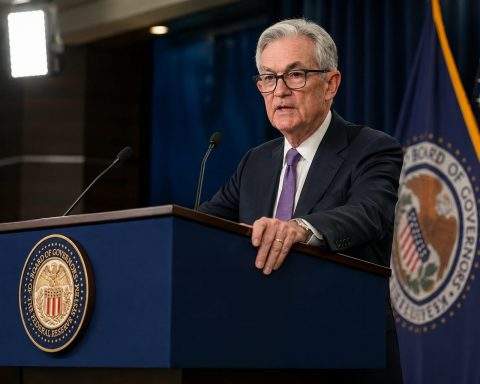
Schwab also flagged FOMC minutes due late Tuesday next week (Dec. 30) as the standout item on an otherwise light calendar.
That looming event helps explain why the Dow is steady rather than sprinting: with major indexes already near record levels, traders often hesitate to push prices aggressively ahead of new policy detail—especially in a low-liquidity week.
“Santa Claus Rally” Watch: Seasonality Favors Bulls, but 2025 Still Needs a Strong Finish
Seasonality is back in the conversation as the market enters the traditional year-end rally window. MarketWatch cited Bespoke Investment Group research showing December 26 has historically been among the most consistently positive days for the S&P 500 when markets are open, and noted the broader Santa Claus rally period spanning late December into early January.
For the Dow, the implication is straightforward: with sentiment already buoyed by rate-cut hopes and resilient economic data, the path into year-end is supportive—but thin volume can distort the signal. A quiet climb can look like strength, yet it may also reflect a market waiting for fuller participation after the holidays.
What’s Moving the Dow: Stock-Specific Action Matters More in a Price‑Weighted Index
In calm index sessions, the Dow often comes down to a handful of components.
Early on Friday, Investing.com’s DJIA snapshot showed notable laggards among familiar industrial and blue-chip names, including Caterpillar, Boeing, Amgen, Disney, and Goldman Sachs—the sort of mix that can tug on the Dow even if the broader market is stable.
Investors also continued to track consumer and brand stories that can influence Dow-linked sentiment:
- Nike has been in focus after a reported insider-buying headline involving Apple CEO Tim Cook’s Nike purchase (Cook is a Nike board member).
- Broader tech enthusiasm remained present in the background—even when it doesn’t directly lift the Dow—thanks to continued AI-related headlines.
The Biggest Market Headlines Shaping Sentiment Today
Even if the DJIA is quiet, several storylines are influencing risk appetite across U.S. markets:
1) AI and megacap momentum remains a tailwind
A major talking point into Friday has been Nvidia’s agreement related to AI inference technology and startup Groq, described as a deal valued around $20 billion in early coverage. While Nvidia itself isn’t the Dow, AI momentum can lift broader equity sentiment, supporting blue-chip risk appetite.
2) Metals surge reinforces the “rates heading lower” narrative
Gold and silver have been making headlines with new highs, a move often associated with expectations for easier monetary policy and hedging demand. That cross-asset signal can matter for the Dow because it shapes how investors think about growth, inflation, and real yields.
3) The “what comes next” question is now about 2026 earnings and Fed policy
Reuters’ market coverage has emphasized that optimism about rate cuts and earnings durability is keeping indexes near records, with analysts projecting stronger profit growth into 2026.
Dow Forecast and Outlook: What Analysts Are Watching Into Year‑End and Early 2026
With the Dow near record levels and volatility contained, forecasts are less about “today’s candle” and more about whether the market can keep its footing once normal volumes return.
Here are the themes dominating professional outlooks:
1) Can rate-cut optimism stay intact?
Strategists cited by Reuters emphasized that momentum has favored bulls recently—provided there’s no sudden external shock. The next test is whether Fed communications validate market expectations for continued easing.
2) Will leadership broaden beyond megacap tech?
Reuters highlighted ongoing rotation into groups such as financials and other non-tech areas. For the Dow—home to many industrial, financial, and “old economy” bellwethers—broader leadership can be especially supportive. Reuters
3) Does thin trading hide fragility?
Schwab’s note underscored that holiday markets can appear calmer than they truly are. A low-volume grind higher can be bullish, but it can also reflect limited conviction until full participation returns in January.
What to Watch Next for the Dow Jones
If you’re tracking the Dow Jones today with an eye toward what could move the index next, the near-term schedule is more about calendar catalysts than earnings fireworks:
- Dec. 29: Pending U.S. home sales (one window into rate sensitivity) Schwab Brokerage
- Dec. 30:FOMC meeting minutes (potentially the biggest macro catalyst of the week) Schwab Brokerage
- Year-end flows: portfolio rebalancing, tax considerations, and window-dressing effects—often amplified by low liquidity Reuters
Bottom Line at 10:14 a.m. EST
As of late morning on 26.12.2025, the Dow Jones Industrial Average is doing what many traders expect from the post-Christmas session: holding near record highs with minimal drama. The next meaningful break—up or down—may depend less on today’s thin trading and more on next week’s Fed minutes, rate expectations, and whether market leadership continues to broaden into the Dow’s core sectors.
Related articles: Federal Reserve