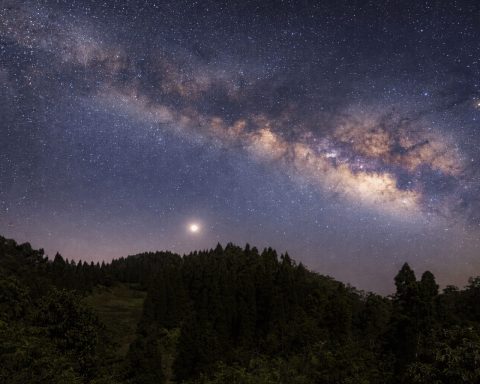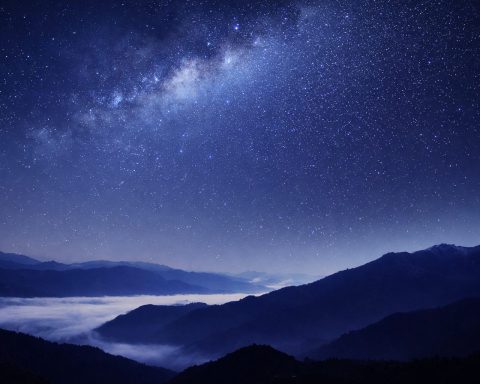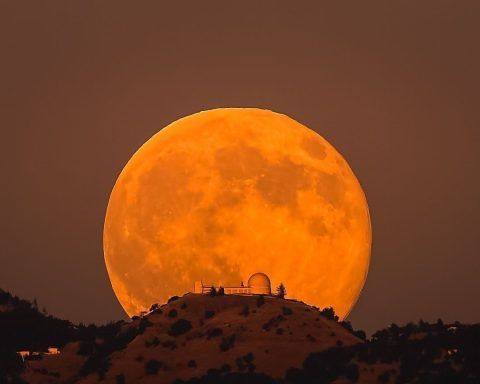

Sunday night, December 28, 2025, brings a classic late-December sky: a bright, growing Moon that lights up the landscape, Jupiter stealing the show for evening stargazers, and the Quadrantid meteor shower officially kicking off its annual run as we head toward the New Year.
Below is a complete, publication-ready roundup of what matters most in the sky tonight (28.12.2025)—including the latest space-weather and asteroid-flyby updates that are making the rounds in astronomy reporting and official monitoring dashboards.
Tonight’s biggest skywatching headlines
If you only have 5 minutes outside, make it these:
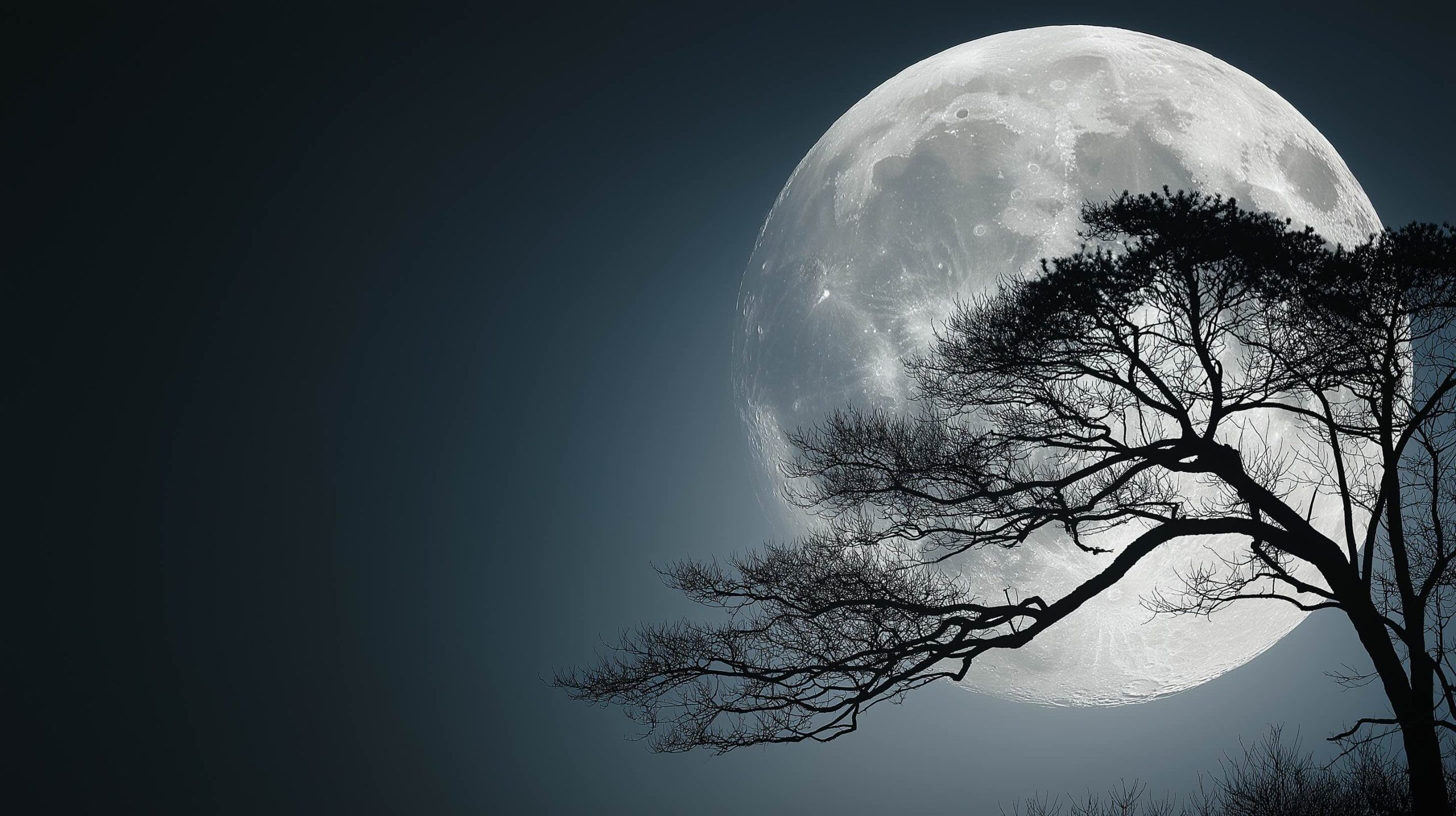
- The Moon is waxing gibbous (more than half illuminated), bright enough to wash out faint meteors and deep-sky targets—but perfect for lunar viewing.
- Jupiter dominates the evening and late-night sky, shining in/near Gemini and staying up for most of the night in many locations.
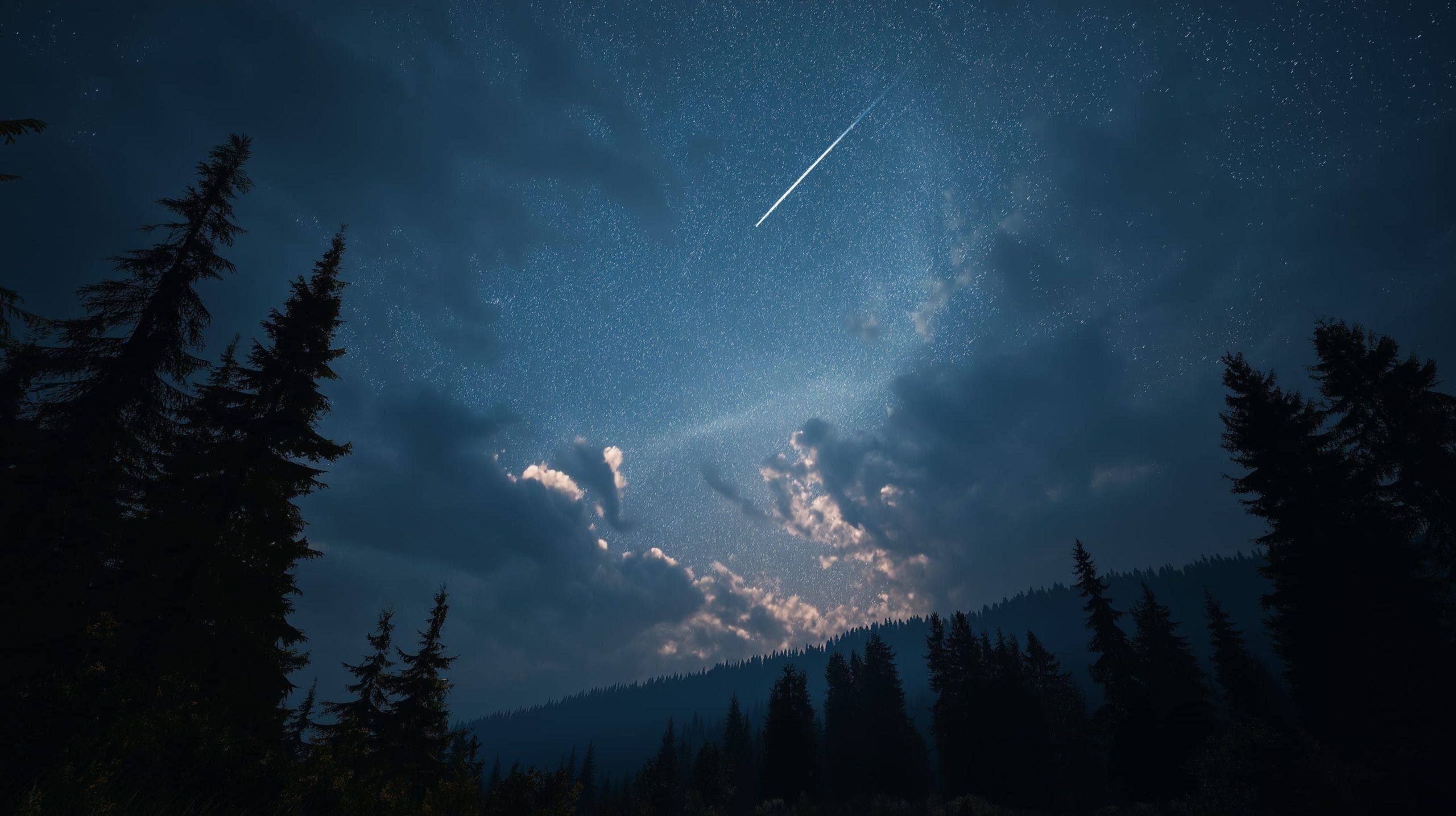
- The Quadrantid meteor shower becomes active today (Dec. 28), building toward its peak in early January—though moonlight will be a major factor this year.
- NASA and ESA list a small near-Earth asteroid flyby on Dec. 28, including asteroid 2025 YW4, passing at a safe distance.
- NOAA’s latest 3-day space-weather outlook (issued Dec. 27 UTC) calls for low geomagnetic activity through Dec. 29—good for satellite operators, less dramatic for aurora hunters outside high latitudes.
Moon phase tonight: bright waxing gibbous (and why that’s good news)
Tonight’s Moon is in the waxing gibbous phase—meaning it’s marching toward Full Moon in early January. Depending on where you are and what time you observe, the Moon sits around the “roughly two-thirds lit” range; many daily phase trackers put it near ~58% illumination for Dec. 28, while location/time-zone based sky calculations can show a higher percentage later in the local night. Moongiant+1
That brightness changes what “a great night sky” means:
- Great for: lunar craters, mountain shadows along the terminator, and phone-through-binoculars Moon photos.
- Harder for: faint galaxies, dim nebulae, and meteor counts (moonlight raises the “background glow,” hiding weaker streaks). amsmeteors.org+1
What to look for on the Moon tonight
Skywatching notes this week highlight how a Moon just past first quarter into waxing gibbous can make lunar terrain pop—features like Mare Imbrium, Plato, Copernicus, and Clavius can look especially dramatic as shadows stretch and shrink across the surface.
If you’re trying to “see something cool” without dark skies, this is your night: even modest binoculars can reveal crisp contrasts along the Moon’s day-night boundary.
Planets tonight: Jupiter runs the show, Saturn lingers early
Jupiter: the main attraction
Jupiter is the headline planet right now—bright, obvious, and rewarding even in city skies. Weekly observing notes list Jupiter at around magnitude –2.6 in eastern Gemini, rising soon after full dark, climbing higher as the evening goes on, and becoming sharpest for telescopes after midnight.
If you’re aiming a telescope: this is the season for cloud bands and moon transits. Observers tracking Jupiter also have a calendar reason to pay attention—opposition arrives in January 2026, when Jupiter is closest to Earth and visible for much of the night.
How to find Jupiter fast: look for the brightest “star” in the evening sky that doesn’t twinkle much. Around this time of year, it’s commonly described as the showpiece near Gemini, close to the twin stars Castor and Pollux. Space+1
Saturn: best shortly after sunset
Saturn remains an early-evening target, described in late-December sky guides as the standout object in the western/southwestern sky after dusk, gradually sinking and setting before (or around) midnight depending on location.
Recent observing coverage also notes a timely detail: Saturn’s rings have been appearing edge-on around this period due to a ring plane crossing, changing the “classic” ringed look many people expect. Space
Venus and Mars: largely out of view right now
If you’ve been wondering why Venus and Mars feel “missing,” you’re not imagining it. Late-December visibility updates explain that both Venus and Mars are very close to the Sun in the sky, with Venus approaching superior conjunction in early January and Mars following soon after—making them difficult or impossible to spot for many observers right now. EarthSky+2Time and Date+2
Bonus challenge: Uranus and Neptune
If you have binoculars and darker skies, nightly planet summaries for late December commonly list Uranus as a “bring binoculars” object visible for much of the night, and Neptune as a tougher binocular target shortly after sunset. Time and Date
Meteor showers: Quadrantids begin today (but moonlight matters)
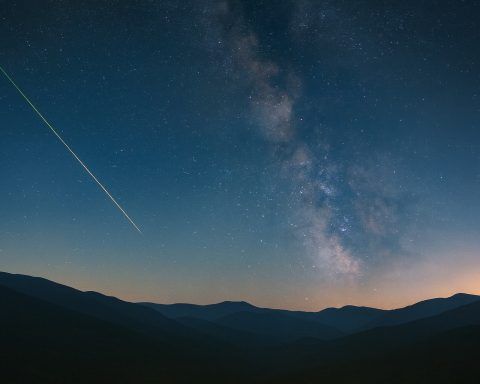
Here’s the big meteor-shower news tied directly to Dec. 28: the Quadrantid meteor shower’s activity window opens today and runs into mid-January.
Different guides summarize it slightly differently, but the essentials align:
- Active: Dec. 28, 2025 – Jan. 12, 2026 Royal Museums Greenwich+2Time and Date+2
- Peak: around Jan. 3–4 Space+2Royal Museums Greenwich+2
- Best hemisphere: Northern Hemisphere, since the radiant sits in the region of Boötes (historically tied to the old constellation Quadrans Muralis).
The catch for 2025–2026: a bright Moon
Multiple skywatching sources warn that the Quadrantids’ peak this season lines up with a very bright Moon, which will seriously reduce the number of meteors you can see—especially the fainter streaks that normally make a shower feel “busy.” Space+2Sky & Telescope+2
And it’s not just the Quadrantids: the American Meteor Society’s late-December outlook notes that while the early part of this observing window can still offer darker morning hours, the waxing gibbous Moon increasingly “hamper[s] meteor observations” as the week progresses. amsmeteors.org
So should you still go out tonight?
Yes—just set expectations.
On Dec. 28 itself, you’re at the start of the Quadrantid activity period, so you’re not chasing peak rates. Think of it as opening night, not championship night. But stepping outside tonight helps you line up your view, scout a dark spot, and practice the setup for early January—when the shower becomes a real story everywhere.
Deep-sky pick for Dec. 28: NGC 2232 is well placed
If you want a “real astronomy” target that’s specifically flagged for December 28, sky-event calendars highlight the open cluster NGC 2232 as well placed tonight. In-The-Sky.org+1
NGC 2232 is an open star cluster in Monoceros with an overall brightness around magnitude 4.2—often described as tricky with the naked eye unless you’re under truly dark skies, but much easier with binoculars or a small telescope.
Practical tip: Monoceros sits in the “winter Milky Way neighborhood,” not far from the richer Orion/Taurus region. If you can spot Orion, you’re already looking in the right general slice of sky to begin hopping. (A sky app makes this dramatically easier on a Moon-bright night.)
Winter constellations: the dependable late-December show
Even when moonlight is strong, late December is loaded with bright, iconic star patterns.
Recent skywatching coverage points to Orion as the easy anchor constellation, with Taurus nearby and the Hyades and Pleiades clusters adding sparkle in the same area of sky.
And with Jupiter near Gemini, the whole region becomes a natural “tour route” for casual observers: Jupiter → Gemini → Orion → Taurus (Pleiades/Hyades), all visible without special equipment on a clear night. Space+1
Space weather watch: flare news, but a calm aurora forecast for Dec. 28
For readers who follow auroras, satellite communications, or just like the “space weather” angle: NOAA’s Space Weather Prediction Center reported an M5.1 solar flare from a new active region (reported Dec. 27 UTC). NOAA Space Weather Prediction Center
EarthSky’s solar update also describes a late-December M-class flare tied to a jump toward higher solar activity and associated radio impacts in parts of the Pacific.
But here’s the key point for tonight, Dec. 28: NOAA’s official 3-day forecast (issued Dec. 27 at 12:30 UTC) projects the highest expected Kp at 3.00 through Dec. 29 and explicitly states no G1 (minor) or greater geomagnetic storms are expected in that period.
Translation: if you’re not already in aurora latitudes, Dec. 28 is not shaping up as a major “aurora outbreak” night—though local visibility always depends on clouds, light pollution, and rapid changes in solar wind conditions. services.swpc.noaa.gov
Asteroid flyby news: two small NEOs pass safely on Dec. 28
This is the “space headline” that’s easy to miss if you only follow planets and meteors: NASA’s Jet Propulsion Laboratory asteroid dashboard lists multiple close approaches on Dec. 28, 2025, including asteroid (2025 YW4). NASA Jet Propulsion Laboratory (JPL)
According to NASA’s listing, 2025 YW4 is roughly 89 feet in estimated size and makes its closest approach at about 683,000 miles (about 1.1 million km) on Dec. 28.
ESA’s Near-Earth Object Coordination Centre also lists 2025 YW4 with a close-approach time of 2025-12-28 05:54 and a miss distance of about 1,099,862 km (about 2.86 lunar distances).
Another Dec. 28 entry: ESA lists 2021 AB1 at 10:49 with a wider miss distance, and NASA’s dashboard similarly includes a Dec. 28 pass for (2021 AB1).
Important context for readers: these are routine, tracked flybys at safe distances—fascinating for space situational awareness, but not naked-eye objects for backyard stargazing.
Best time to look up on Dec. 28 (without needing a telescope)
You can plan tonight in three simple windows:
- Right after sunset (early evening):
Catch Saturn before it sinks too low, then sweep the sky for brighter stars as twilight fades. - Mid-evening to midnight:
Jupiter climbs higher and becomes the clear headline object—great for first-time planet spotters. - Late night / pre-dawn:
If you’re scouting for upcoming meteor watching, this is when the sky is often darkest (though tonight’s waxing gibbous Moon limits that advantage).
Quick stargazing tips that actually improve what you see
- Block the Moon with a roofline, tree, or your hand when you’re hunting stars—reducing glare makes a surprising difference.
- Give your eyes time to adapt (a common rule is 15–30 minutes away from bright screens) if you’re trying for meteors.
- Binoculars are the sweet spot tonight: perfect for the Moon, bright clusters, and “where is that?” scanning when the sky isn’t fully dark-adapted.
Clear skies—and if clouds roll in tonight, don’t write off the week. The end of December is setting up a busy run into early January with Jupiter at its best and the Quadrantids building toward their peak.
Related articles: Meteor Showers