
NEW YORK, December 29, 2025, 18:19 ET — After-hours
- Goldman Sachs slid about 1.6% in after-hours trading, extending a regular-session decline.
- U.S. stocks ended lower in thin year-end trading as Treasury yields eased.
- Traders watched quarter-end funding signals after heavy use of the Fed’s standing repo facility.
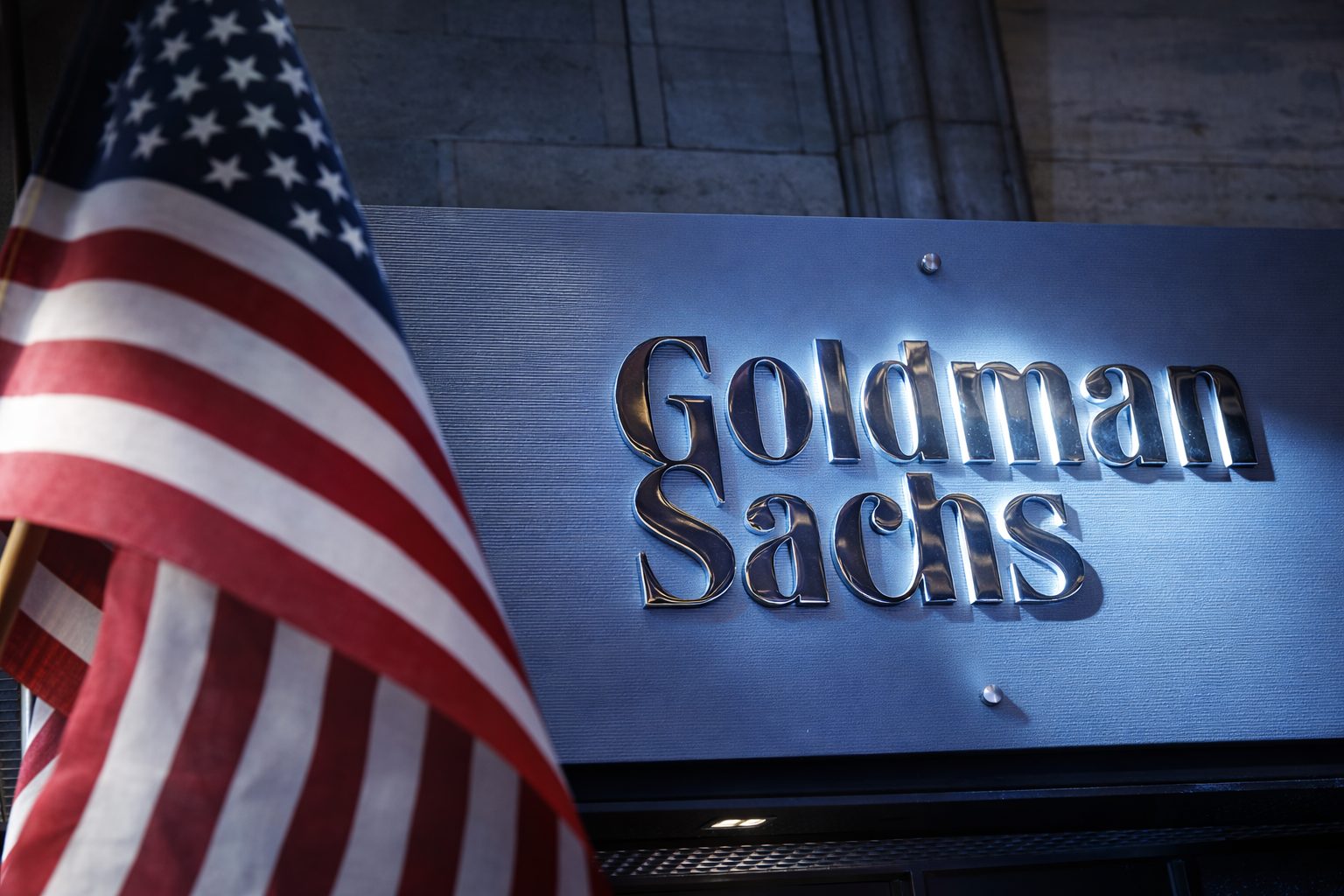
Goldman Sachs Group Inc shares fell 1.6% to $892.18 in after-hours trading on Monday, after swinging between $891.56 and $909.36 in the regular session. JPMorgan Chase was down 1.3% and Morgan Stanley slipped 1.0% in late trading.
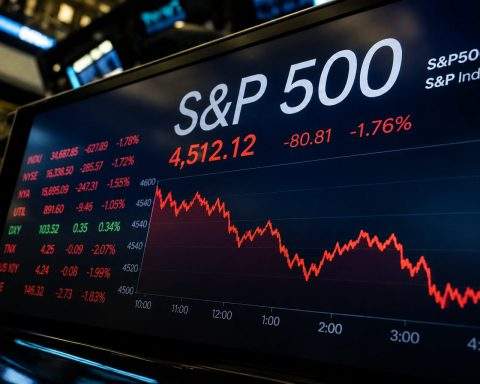
The move tracked a softer tape at the start of a holiday-shortened stretch, with the Dow down 0.51%, the S&P 500 off 0.35% and the Nasdaq down 0.50%. Treasury yields edged lower; the 10-year yield fell to 4.106%, down 2.8 basis points — a basis point is one-hundredth of a percentage point.
Why it matters now: year-end trading can amplify moves as desks trim risk, rebalance books and manage balance-sheet constraints. Lower yields also tend to pressure rate-sensitive financial shares when investors reprice the path of Federal Reserve cuts.
Funding markets were also in focus. New York Fed data showed eligible firms drew $25.95 billion on Monday from the Fed’s standing repo facility, an overnight backstop that lends cash against Treasury and agency mortgage collateral, at 3.75% — the top of the Fed’s current policy-rate range.
For big dealers like Goldman, shifts in rates and short-term funding conditions can feed into trading appetite, client activity and the cost of running hedges. Traders also watch whether late-December funding blips fade quickly or linger into early January.
In corporate filings, Goldman disclosed a $25.84 million face-amount issuance of stock-basket notes, according to an SEC prospectus supplement. The notes pay returns based on a basket’s performance and can be called early under set terms.
Structured notes are debt securities whose payouts depend on an underlying market measure such as stocks or an index. They are often used to package specific payoff profiles for investors, while the issuing bank typically hedges the market exposure.
Bank shares broadly pulled back as investors locked in gains late in the year. Citigroup fell 1.9% on Monday; U.S. exchange volume ran at 13.08 billion shares versus a 20-day average of 16.2 billion, and minutes from the Fed’s previous meeting and weekly jobless claims are due in an otherwise data-light week. “It would be unusual to see a significant equity setback or bear market without a recession,” Goldman chief global equities strategist Peter Oppenheimer wrote in a note. Reuters
Near term, traders are watching whether yields stabilize and whether tech-led selling pressure spreads into financials after a strong late-year run. The thin holiday calendar has also made price action more sensitive to flows.
Goldman has scheduled its fourth-quarter 2025 results for Thursday, January 15, 2026, with the release planned for about 7:30 a.m. ET, the firm said in a press release outlining its reporting calendar.
That report is expected to sharpen focus on investment-banking fees, market-making revenue and costs. Investors also tend to look for updates on capital return — buybacks and dividends — alongside any sign that client activity is cooling or accelerating into 2026.
Technically, the $900 area is back in focus after Monday’s slide, with traders watching whether the stock can regain that level as liquidity returns after the holiday stretch. The next decisive moves for GS are likely to come from rates, funding conditions and the first wave of January macro and earnings headlines.
Related articles: NYSE:MS