
NEW YORK, December 29, 2025, 19:32 ET — After-hours
- American Airlines shares were down about 2% at $15.14 in late after-hours trading.
- Winter Storm Ezra triggered thousands of U.S. flight delays and hundreds of cancellations during the peak holiday rush.
- Crude settled more than 2% higher, keeping airline fuel costs in focus ahead of Tuesday’s open.
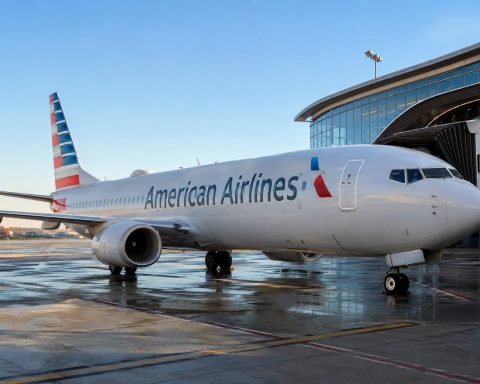
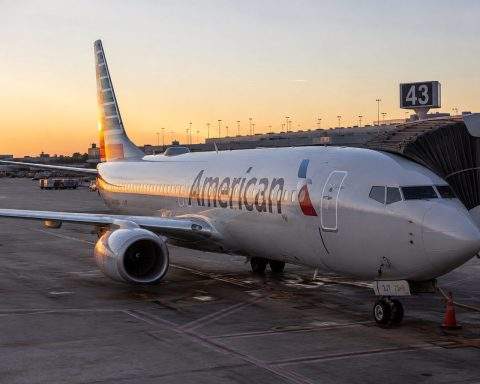
American Airlines Group Inc shares fell about 2% in late after-hours trading on Monday, extending losses after weather snarled U.S. holiday travel. The stock was down 31 cents at $15.14 in extended trading, which continues after the 4 p.m. ET market close.
The timing matters for airlines. Major winter disruptions during the year-end travel crush can trigger a costly domino effect of cancellations, missed connections and repositioning aircraft and crews.
Fuel is the other pressure point. Airline stocks often track oil because jet fuel is a core expense, and sudden crude moves can swing expectations for margins.
Flight tracking site FlightAware showed nearly 6,000 delays and 751 cancellations as of 3:25 p.m. ET, while AccuWeather meteorologists warned the system could intensify into a “bomb cyclone” — a rapidly deepening storm that can bring hurricane-force winds and heavy precipitation — with disruptions expected into early Tuesday. The Federal Aviation Administration issued ground stops, or temporary halts on departures, at some airports, and American, Delta, United and JetBlue said they had waived change fees for affected passengers. Reuters
American’s shares traded between $15.03 and $15.47 during the day, and volume was about 44.8 million shares, market data showed. The stock’s late move left it hovering around the $15 level into the final minutes of the after-hours session.
Crude added to the sector’s headwinds. Brent futures settled up $1.30, or 2.1%, at $61.94 a barrel, while U.S. WTI ended up $1.34, or 2.4%, at $58.08, as traders weighed geopolitical risks and braced for potential supply disruptions; a delayed U.S. stockpiles report was also on traders’ radar.
Oil market direction into 2026 remains contested, but the near-term moves are what airline investors feel first. “Supply outstripping demand by about 1.8 million barrels a day,” said Naveen Das, an oil analyst at Kpler, in a Reuters video discussion of next year’s supply picture. Reuters
For airlines, the question is whether higher fuel can be offset quickly through pricing and demand. When planes are already full and schedules are stressed, disruptions can make cost recovery harder.
Peers moved in step during Monday’s session, as investors priced the storm’s impact across the sector. That matters because widespread delays can ripple across networks even if a carrier’s hubs are not at the storm’s center.
Traders will be watching Tuesday’s operational tempo — cancellation rates, recovery time and whether crews and aircraft are back in position for New Year’s travel. Any sign that the storm’s impacts linger into key hubs can keep pressure on the group.
Energy markets are another watchpoint into the next session, with crude swings feeding straight into jet-fuel expectations. That sensitivity can amplify daily moves in airline shares when oil headlines break.
The next scheduled company catalyst is quarterly results. Nasdaq’s earnings calendar estimates American will report around Jan. 22, 2026, based on past reporting patterns.
Related articles: NASDAQ:AAL