
NEW YORK, December 30, 2025, 12:08 ET — Market closed.
- Coca-Cola Consolidated closed down 3.7% on Monday and was flat after hours.
- The stock lagged beverage peers as U.S. indexes ended lower in thin year-end trade.
- Traders are watching Fed minutes, jobless claims and key chart levels after a wide intraday swing.
Shares of Coca-Cola Consolidated, Inc. fell 3.7% to $154.62 at Monday’s close, extending a five-session slide. The stock traded between $150.29 and $161.20 and was little changed after hours at $154.61, market data showed.
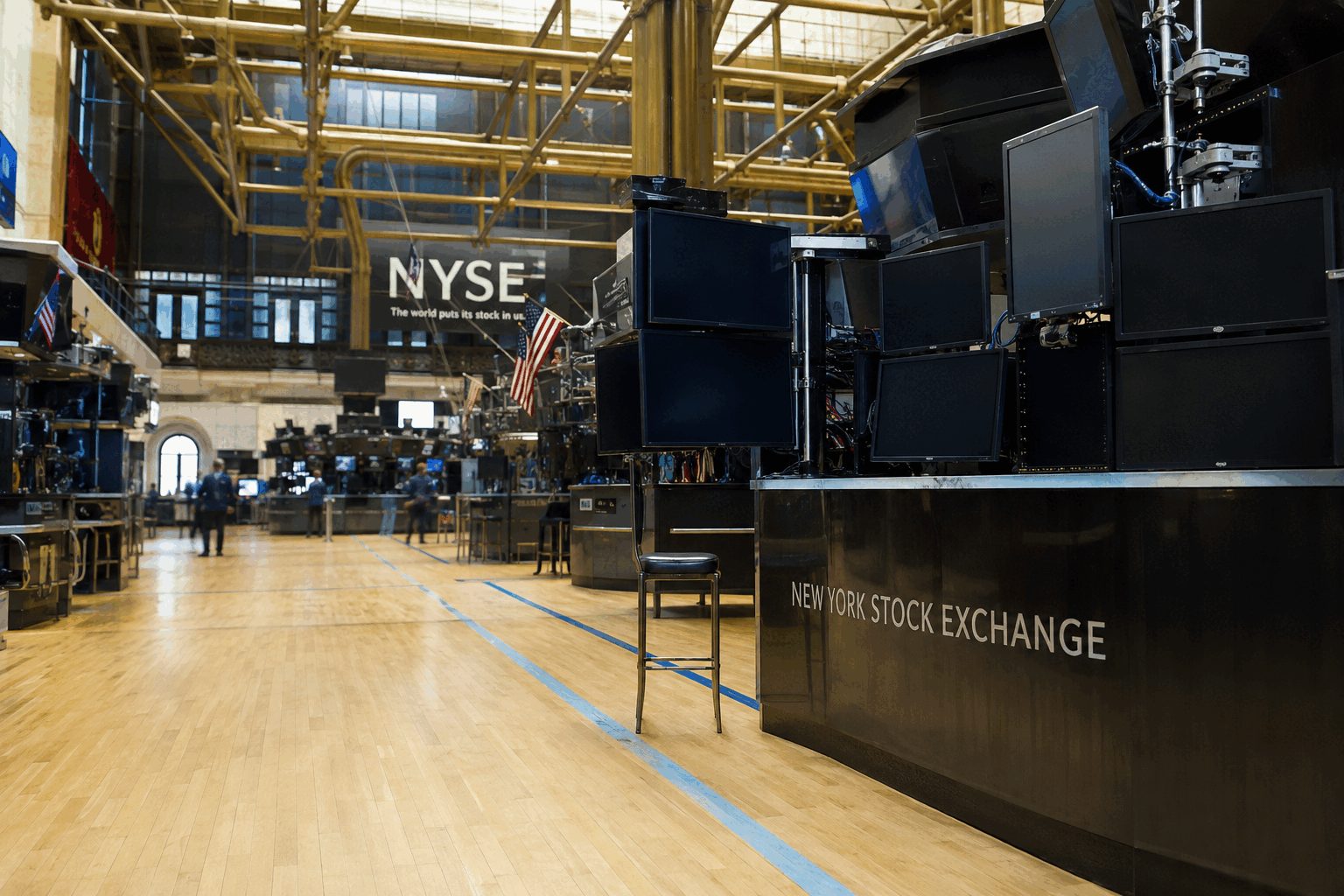
The move came as Wall Street’s main indexes ended lower to start the final week of the year, with heavyweight technology stocks retreating from last week’s rally that pushed the S&P 500 to record highs. The S&P 500 fell 0.35%, the Nasdaq dropped 0.50% and the Dow slipped 0.51%. “It’ll turn out to be a buying opportunity,” said Hank Smith, director and head of investment strategy at Haverford Trust, while traders looked ahead to Fed minutes and a weekly reading of jobless claims in an otherwise data-light week. Reuters
That backdrop matters now because thin holiday liquidity can magnify moves in smaller, less-actively traded names. A sharp late-December swing can also reset technical levels into the first trading days of January.
Coca-Cola Consolidated also diverged from larger beverage stocks that edged higher on the day. Coca-Cola rose about 0.4%, PepsiCo gained 0.3% and Keurig Dr Pepper added 0.2% at the close.
COKE has been moving lower since mid-December, and Monday’s wide range underscored how quickly sentiment can shift when traders rebalance positions. The stock’s intraday low left chart-watchers focused on whether buyers step in near recent lows.
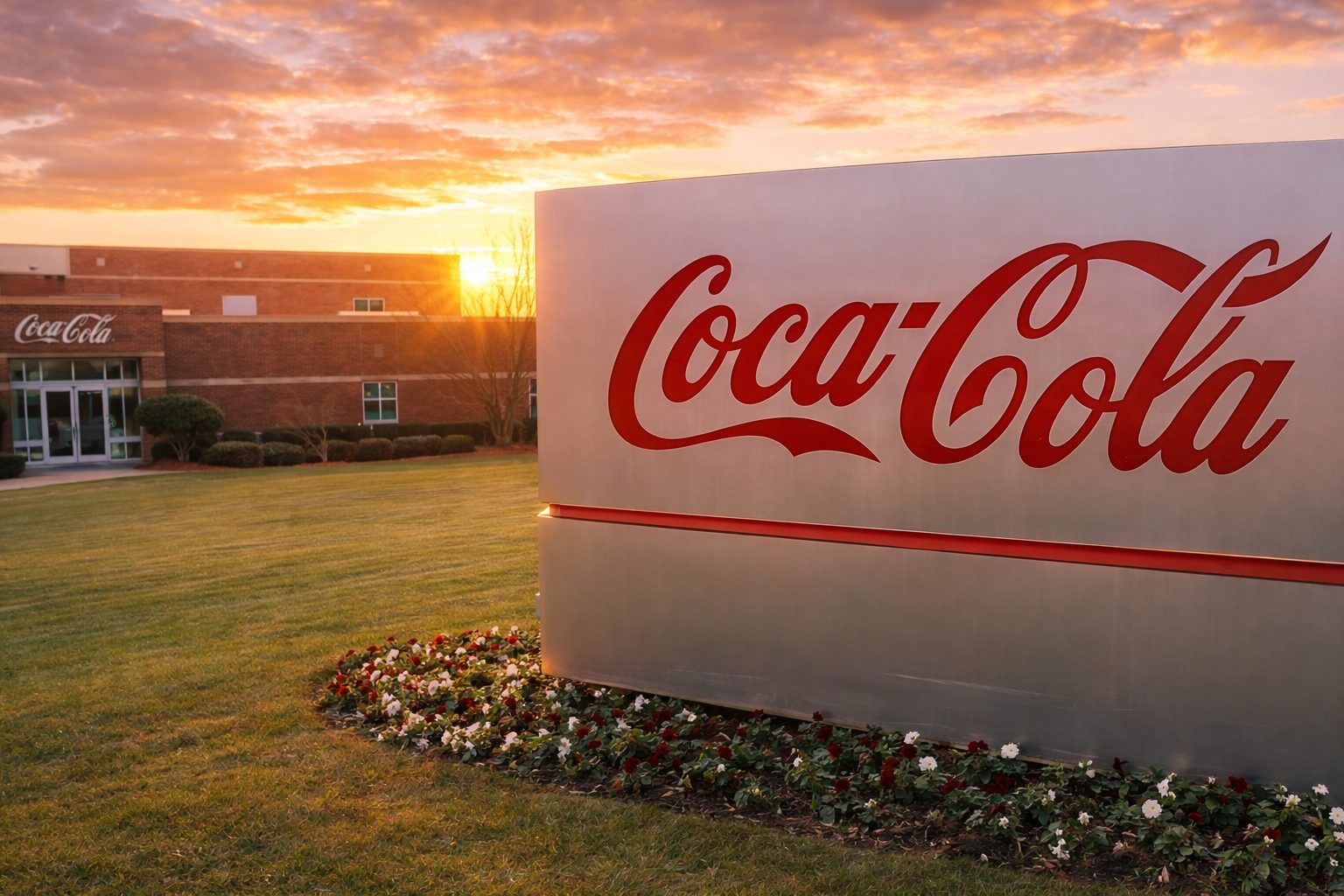
Coca-Cola Consolidated says it is the largest Coca-Cola bottler in the United States, operating in the Southeast, Midwest and Mid-Atlantic, with corporate offices in Charlotte, North Carolina.
Traders will watch whether the stock holds the recent low area — a potential “support” level, where demand has previously absorbed selling. A rebound would put the $160 area back in focus as a near-term hurdle.
Beyond price action, investors tend to focus on bottlers’ ability to balance pricing and volumes while managing costs such as packaging, fuel and labor. Those inputs can swing with commodities and freight markets, and they often show up quickly in margins.
Before the next session, attention is likely to stay on year-end flows and broader risk appetite, with big moves in index heavyweights still setting the tone. Early trading will also test whether Monday’s selloff attracts dip-buying or brings follow-through selling.
If volatility persists, many short-term traders look for steadier volume and tighter ranges as the holiday period fades. A calmer open can matter as much as the headline move for positioning into January.
The next major company-specific catalyst is the next earnings report, with MarketBeat’s earnings calendar listing Feb. 19, 2026, before the market open as an estimate based on past reporting patterns.
Until then, COKE’s near-term direction may hinge on whether buyers defend the lower end of recent trading ranges as the calendar turns, or whether sellers keep pressing positions in thin liquidity.
Related articles: Stock Market