
NEW YORK, December 30, 2025, 11:34 ET
Canada’s federal income tax brackets for 2026 will rise 2% with inflation and the lowest federal rate will be 14%, Canada Revenue Agency payroll tables show. The first bracket runs to C$58,523 and the top threshold begins at C$258,482, the tables show.
Why it matters now: employers set January payroll withholdings in days, and households are already lining up their first-quarter cash flows and registered-account contributions.
The new year also brings a fresh set of deadlines for the 2025 tax season. Missing a filing date or misreading contribution room can quickly turn a routine year-end move into penalties.
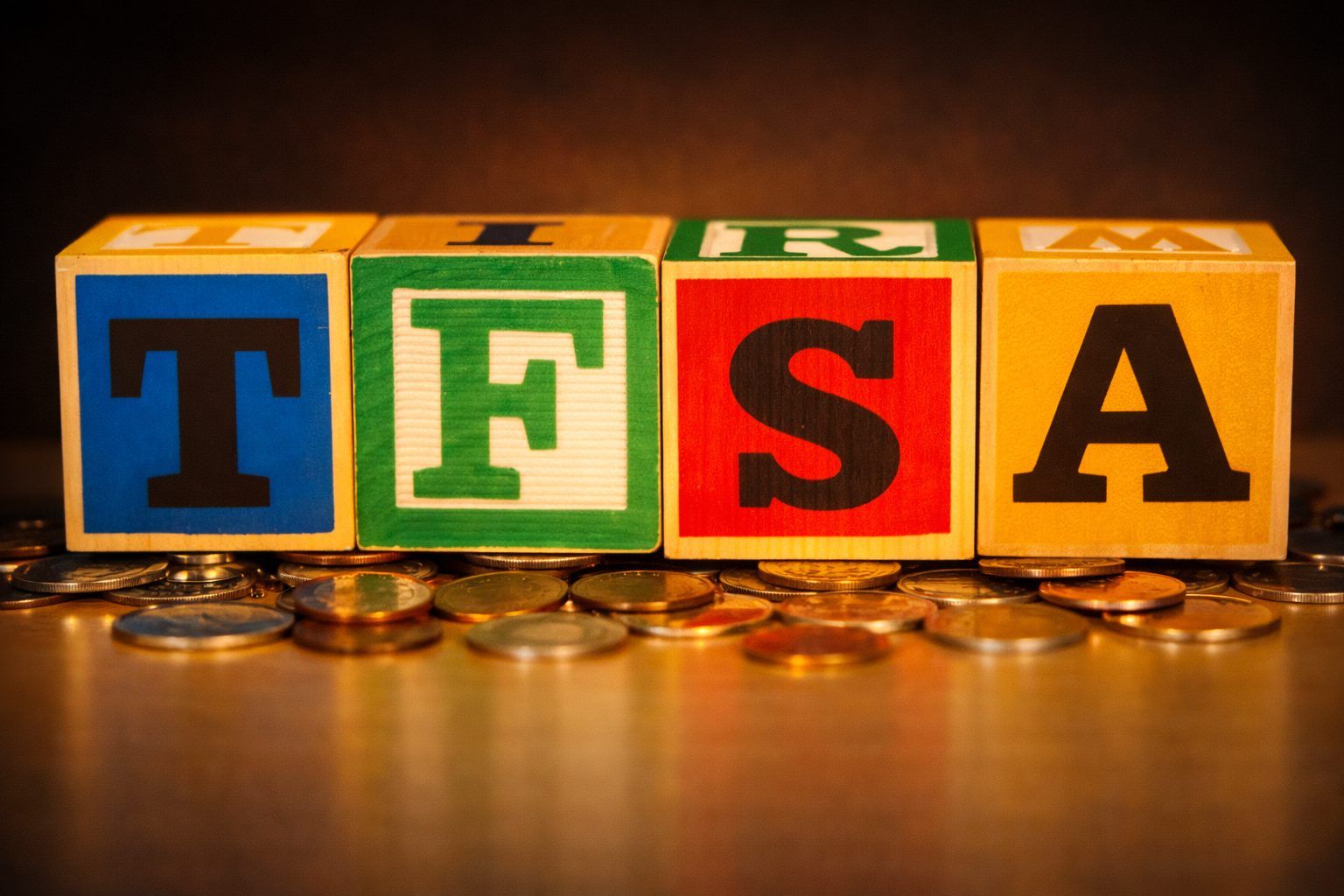
A personal-finance column published on Yahoo Finance on Dec. 29 urged Canadians to map out their 2026 Tax-Free Savings Account (TFSA) deposits early, rather than scramble in January. “Optimizing TFSA contributions is less about predicting 2026 and more about respecting time,” wrote Amy Legate-Wolfe of The Motley Fool Canada, pointing to broad-market exchange-traded funds (ETFs) — baskets of securities that trade like a stock — such as Canada-focused ZCN and all-equity XEQT as “core” examples. Yahoo Finance+1
The CRA says the TFSA dollar limit for 2026 is C$7,000 and is added to contribution room on Jan. 1. It also says your available room depends on the annual limit, any unused room from prior years and withdrawals from the prior year, minus contributions already made this year — and it recommends using personal records because CRA account figures may lag until annual updates arrive in the spring.
Overcontributing can trigger a penalty tax. NerdWallet Canada said the penalty is 1% per month on the excess amount until it is withdrawn, and that the 2026 annual TFSA limit matches 2024 and 2025 at C$7,000.
For the 2025 tax year, the CRA lists March 2, 2026 as the deadline to contribute to an RRSP (a retirement savings plan that can reduce taxable income), and April 30, 2026 as the deadline to file and pay for most individuals. It sets June 15, 2026 as the filing deadline for self-employed taxpayers and their spouse or common-law partner, while keeping the payment deadline at April 30.
For individuals required to pay income tax instalments — quarterly payments during the year — the CRA lists due dates of March 15, June 15, Sept. 15 and Dec. 15, and says payments are considered on time if received the next business day when a due date falls on a weekend or CRA-recognized public holiday.
A tax “bracket” is the rate applied to a slice of income within a range, not to your entire income. That distinction matters as taxpayers estimate withholding changes and plan year-end transactions.
Other Canadian outlets have also been pushing 2026 planning guides as the year closes. The Globe and Mail promoted a “five changes” overview on Dec. 27, while CTV carried an opinion column on Dec. 24 flagging key investor dates for the 2026 tax calendar. Threads+1
For savers, the near-term pressure points are simple: know what resets on Jan. 1, keep clean records across multiple accounts, and mark the spring deadlines early.
Related articles: Canadian Economy