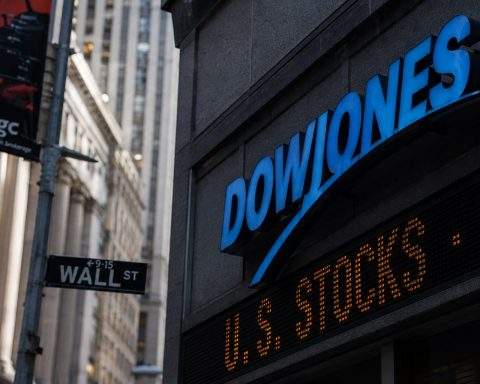

NEW YORK, December 31, 2025, 17:33 ET — After-hours
- The Dow closed down 303.77 points, ending the year with a fourth straight daily decline.
- Treasury yields rose after jobless claims fell below forecasts, pressuring rate-sensitive stocks.
- Traders are looking to early-January data and the Fed’s late-month meeting for the next policy signal.
The Dow Jones Industrial Average fell 303.77 points, or 0.63%, to 48,063.29 on Wednesday, extending Wall Street’s losing streak into the final trading day of 2025. The S&P 500 dropped 0.7% and the Nasdaq Composite slipped 0.8%.
The pullback mattered because it came as investors closed the books on a year of strong gains and positioned for fresh economic data that could reset expectations for Federal Reserve rate cuts. Thin year-end liquidity — when fewer large investors are active — can exaggerate moves.
The New York Stock Exchange will be closed on Thursday for New Year’s Day, a calendar break that leaves markets with fewer sessions to digest incoming data and headlines before January trading fully resumes.
On the macro front, the Labor Department reported initial jobless claims fell to a seasonally adjusted 199,000 for the week ended Dec. 27, down 16,000 from the prior week. Economists polled by Reuters had expected 220,000.
Bond yields climbed after the report. The 10-year Treasury yield rose to 4.17% from 4.13% late Tuesday, while the two-year yield — which tends to track expectations for Fed policy — increased to 3.48% from 3.45%, according to an AP report.
Energy and technology stocks were among the day’s biggest losers, Reuters reported, with Microsoft down 0.8%. Nike rose about 4% after CEO Elliott Hill disclosed he bought roughly $1 million worth of shares, a regulatory filing showed. “It’s perfectly fine in any bull market to have moments of cost,” said Giuseppe Sette, co-founder and president of Reflexivity, pointing to profit-taking — selling to lock in gains — when liquidity is low. Reuters
The Dow is a price-weighted index — meaning higher-priced stocks have more influence — so large moves in a handful of components can sway the headline number even when the broader market is mixed.
With 2025’s gains heavily tied to big technology and AI-linked names, traders are watching whether the market broadens out in early 2026 or stays concentrated in a narrow group of winners.
The next major U.S. manufacturing read is the Institute for Supply Management’s Manufacturing PMI report for December data, due at 10:00 a.m. ET on Monday, Jan. 5. The government’s December employment report follows on Friday, Jan. 9 at 8:30 a.m. ET, according to the Bureau of Labor Statistics schedule.
The Fed’s next policy meeting is scheduled for Jan. 27–28, and markets will be gauging whether officials validate expectations for further easing after 2025’s cuts — or push back if inflation stays sticky and the labor market remains firm.
Technically, the Dow finished the year just above the 48,000 level, a round number traders often treat as a near-term reference point. A decisive break above or below that area in early January could shape positioning once normal volumes return.
Related articles: NASDAQ:MSFT