
NEW YORK, January 2, 2026, 05:41 ET
- Non-U.S. equities outpaced U.S. stocks in 2025, marking a break from years of U.S.-led market leadership.
- South Korea led major markets, while parts of Europe also posted gains of more than 20% for the year.
- Several value- and income-focused funds topped broad global benchmarks, including during early-year turbulence.
Non-U.S. stocks were on track to finish 2025 up about 29%, their strongest performance since 2009, with the MSCI ACWI ex-U.S. index — which tracks shares outside the United States across more than 40 markets — leading the way. That compared with a more than 17% return for Wall Street’s benchmark S&P 500, Al Jazeera reported.
The year-end split matters as 2026 begins because it challenges a long stretch in which U.S. stocks dominated many global portfolios, and it is reshaping how investors think about geographic diversification.
Analysts have pointed to U.S. trade upheaval, the weakness of the dollar and concerns about lofty valuations in parts of Silicon Valley as factors pushing investors to look abroad, alongside rapid advances in artificial intelligence in China.
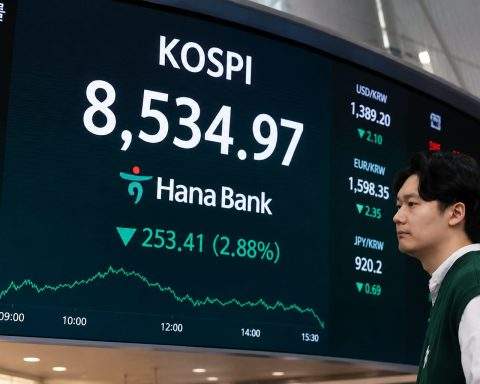
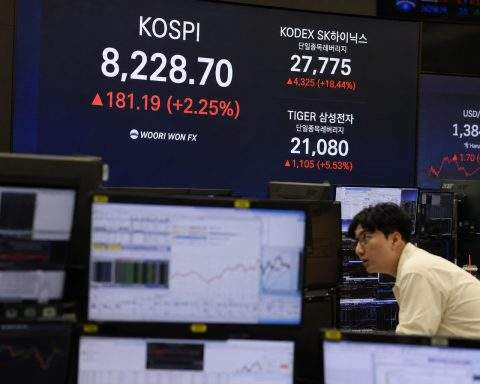
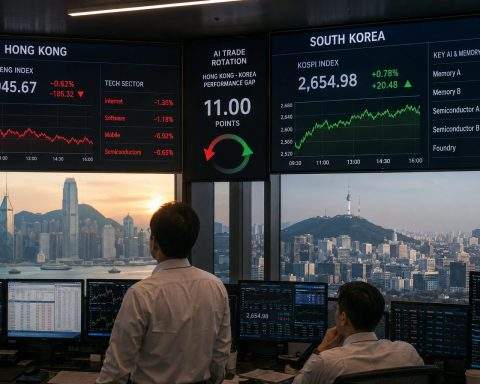
Asia posted some of the biggest gains. South Korea’s KOSPI finished up nearly 76% in 2025, while SK Hynix and Samsung Electronics rose about 280% and 125%, respectively, on demand for chips used in AI, the report said.
Hong Kong’s Hang Seng Index ended the year nearly 31% higher, and the SSE Composite Index in Shanghai rose more than 21%. Japan’s Nikkei 225 was up about 28%, Al Jazeera reported.
Europe also closed the year with strength, with London’s FTSE 100 and Frankfurt’s DAX 40 heading into 2026 up more than 20%, according to the report.
Fund performance highlighted how that rotation played out at the portfolio level. FE Analytics data cited by interactive investor showed Artemis Global Income returned 45.4% in 2025, with Murray International up 36% and Ranmore Global Equity around 30%, compared with a 13.1% gain for the MSCI World index — a developed-markets benchmark — on a total-return basis, which includes dividends.
The investing site said the MSCI World index dropped about 8% between Jan. 20 and April 2 in sterling terms — measured in British pounds — after China’s DeepSeek launched an AI model and President Donald Trump’s “Liberation Day” tariff rhetoric jolted markets. It then rebounded about 18% from April 2 through Dec. 31.
“International stocks could be poised for another strong year,” Charles Schwab analyst Michelle Gibley wrote in a note cited by Al Jazeera, pointing to expectations for faster earnings and economic growth and relatively attractive valuations versus the S&P 500.
A Reuters year-in-charts review underscored how trade policy shocks and currency moves echoed across markets, noting the average effective U.S. tariff rate climbed to almost 17% from about 2.5% a year earlier and the dollar fell roughly 10% against a basket of major currencies.
Reuters also highlighted the year’s sharp cross-asset swings, including a surge in precious metals — with gold up 72% and silver up 178% in 2025 — and a more than 50% rise in European defense stocks during the year.
Related articles: KRX:005930