
NEW YORK, January 2, 2026, 09:54 ET — Regular session
- Gold steadied higher to start 2026 after late-December profit-taking and choppy year-end trade.
- Investors are weighing Fed rate-cut expectations, the dollar’s direction and signs of renewed physical demand in Asia.
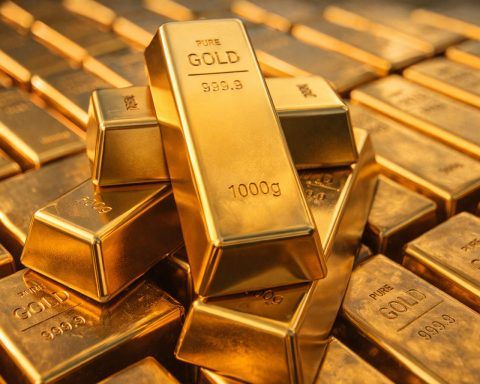
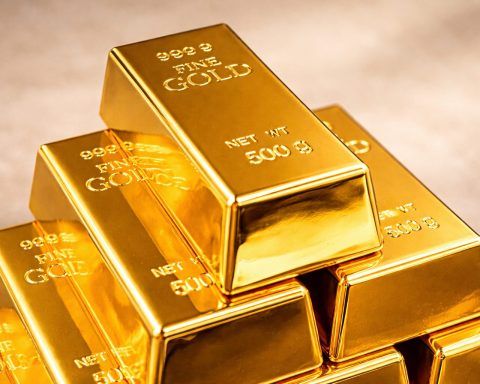
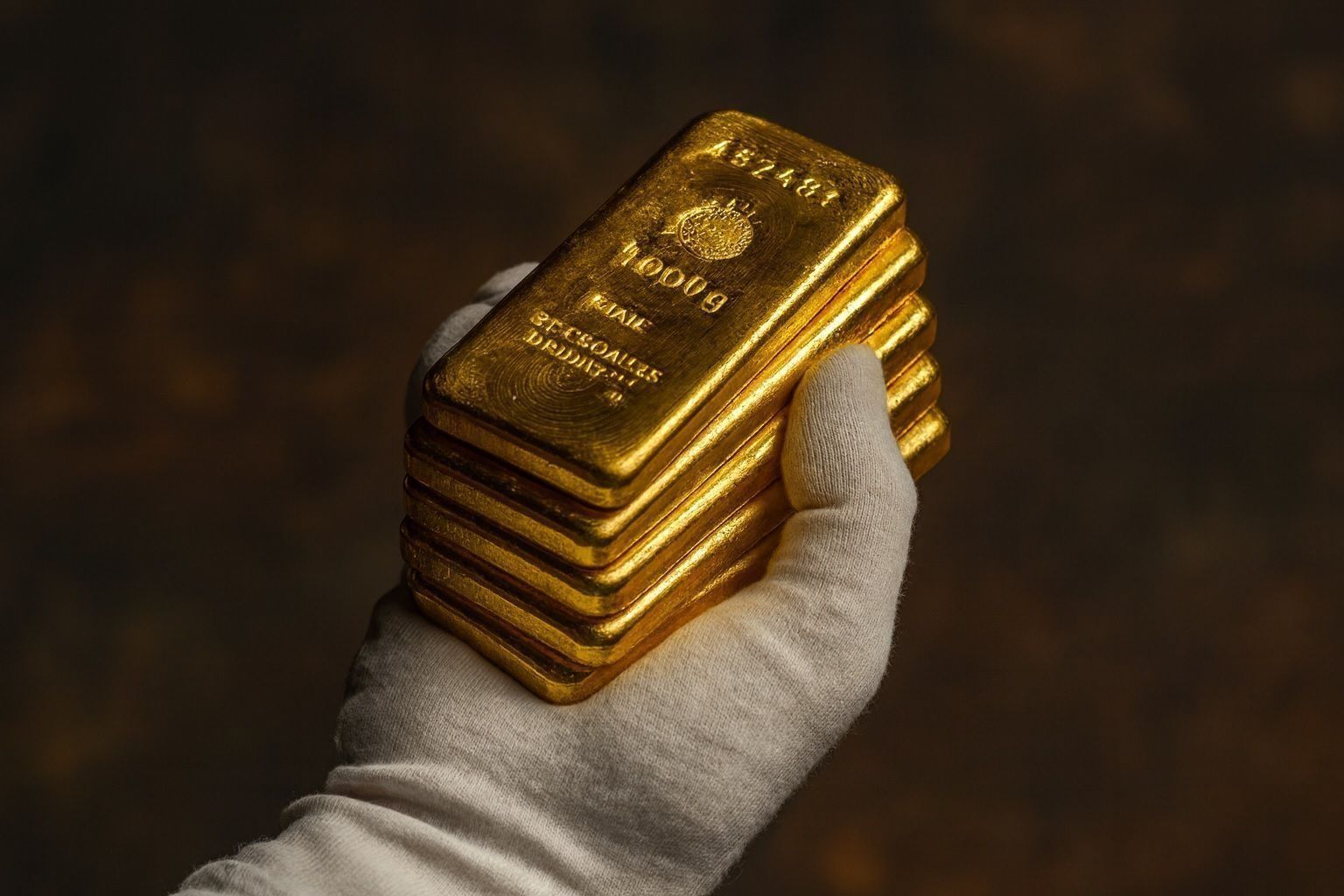
Spot gold was up about 1% at around $4,369 an ounce in New York morning trade on Friday, pricing data showed.
The move keeps bullion on investors’ screens at the start of the year after a blockbuster 2025 run, when safe-haven demand and rate-cut bets helped lift precious metals broadly.
It matters now because gold sits not far from recent record territory, and the market is trying to gauge whether the next leg of the rally can hold as liquidity returns after the holidays.
Gold is a non-yielding asset — it pays no interest — so it tends to look more attractive when investors expect lower rates. Traders have been re-pricing the path for U.S. borrowing costs after a volatile end to December.
Spot gold climbed 1.7% to $4,387.58 an ounce by 8:22 a.m. ET, after hitting a record $4,549.71 on Dec. 26 and sliding to a two-week low on Wednesday, Reuters reported. U.S. gold futures for February delivery gained 1.3% to $4,399.20. “Gold prices are expected to move higher in 2026,” UBS analyst Giovanni Staunovo said, adding the bank targets $5,000 an ounce, helped by lower real yields — bond yields adjusted for inflation — and policy uncertainty. Reuters
In the equity market, SPDR Gold Shares, the largest U.S.-listed physical gold ETF, was up 0.9% at $400.07. VanEck Gold Miners ETF was little changed, while Newmont added 0.5% to $100.30.
In the physical market, dealers in top consumer hubs India and China flipped back to charging premiums over benchmark prices after a pullback from all-time highs helped draw in buyers, Reuters reported. India’s premium rose to as much as $15 an ounce, while China returned to a modest premium, the report said.
The currency backdrop is also in focus. The U.S. dollar started 2026 on a softer footing after a 9.4% decline in 2025 — its steepest annual fall in eight years — a trend that can support dollar-priced gold by making it cheaper for non-U.S. buyers.
Volatility remains a watchpoint after sharp swings late last month. CME Group raised margin requirements for precious-metal futures after big price moves, which increases the cash traders must post to hold positions and can force some investors to cut exposure.
Beyond bullion, investors are watching whether flows into gold-backed funds build as markets reopen and as portfolio managers rebalance at the start of the year.
The next major test for rate expectations is U.S. labour data. The Bureau of Labor Statistics has scheduled the December employment report for January 9 at 8:30 a.m. ET.
The Federal Reserve’s next policy meeting is scheduled for January 27–28, with investors looking for any shift in the central bank’s guidance on inflation and growth.
For now, traders are treating the late-December record high as the key reference point. Moves in U.S. real yields and the dollar are likely to remain the main day-to-day drivers for gold — along with any flare-up in geopolitical risk that boosts safe-haven demand.
Related articles: NYSE:GLD