
LONDON, Jan 2, 2026, 17:16 ET
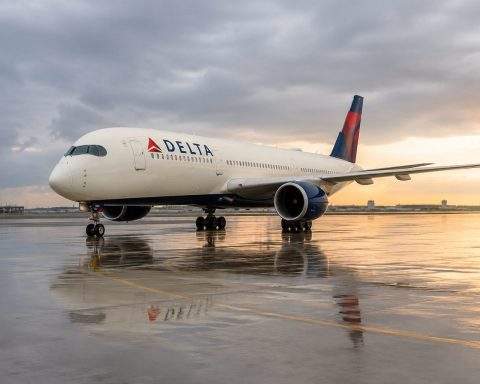
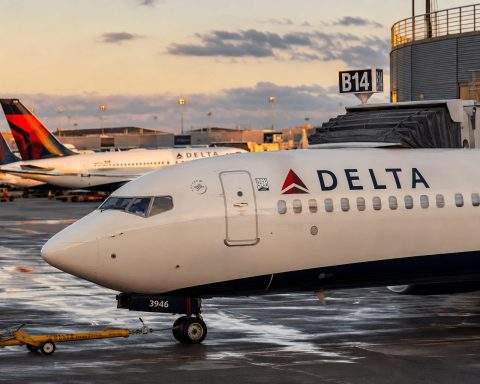
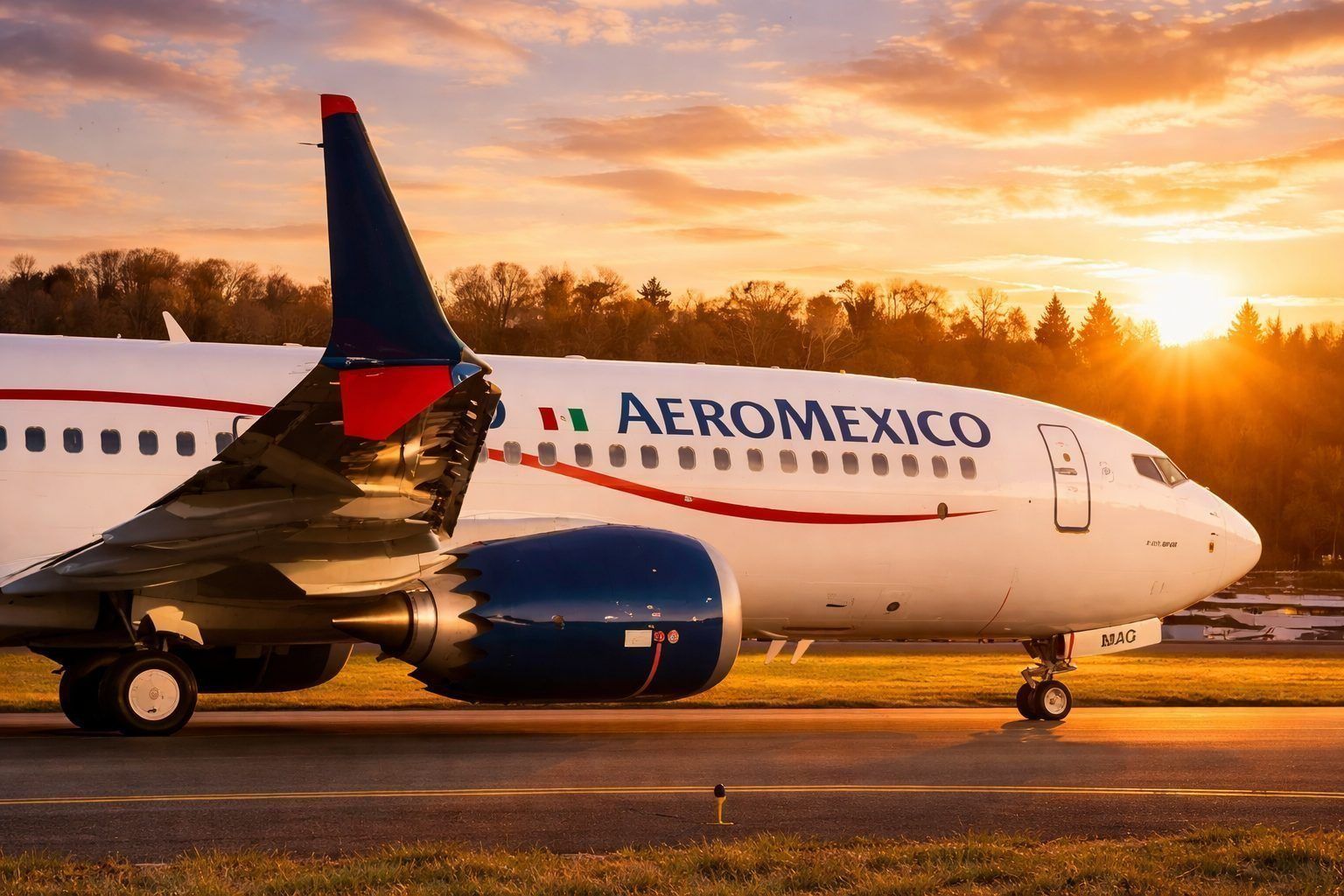
Aeromexico was named the world’s most on-time airline for 2025 for a second straight year, posting a 90.02% on-time arrival rate across 188,859 flights, aviation data firm Cirium said on Friday. Saudia and SAS followed in the global top three, while regional winners included Delta Air Lines in North America, Iberia Express in Europe, Philippine Airlines in Asia-Pacific, Copa Airlines in Latin America and Safair in the Middle East and Africa. Cirium’s special awards went to Qatar Airways for its airline Platinum Award and to Virgin Atlantic for a new “Most Improved” honor. Cirium
The ranking gives travelers and airlines an early benchmark of schedule reliability after a year when delays can quickly cascade through tightly timed networks. Airlines track punctuality closely because missed schedules can raise costs through crew overtime, aircraft knock-on delays and rebooking.
Cirium said carriers spent 2025 dealing with staffing shortages, airspace closures, supply chain problems and frequent weather disruptions. It defines on-time performance as an arrival at the gate within 15 minutes of the scheduled time, with airport scores based on on-time departures.
Aeromexico’s repeat finish underscores how small differences in execution can separate top performers, even when airlines face similar constraints from air traffic control and ground operations. Carriers that recover faster after disruptions tend to avoid delays compounding through the day.
Delta’s North America award again spotlights the operational challenge for large networks, where congestion and weather can force rapid recovery across high-frequency schedules. In those systems, a late inbound aircraft can quickly ripple into later departures.
Cirium’s airline Platinum Award is meant to capture overall operational excellence, not just a regional snapshot. Virgin Atlantic’s Most Improved award highlights how quickly results can shift when airlines tighten operations and recovery processes.
“Maintaining consistent on-time performance requires sophisticated network planning, operational coordination, and the ability to recover quickly when irregularities occur,” Cirium CEO Jeremy Bowen said. Santiago’s Arturo Merino Benitez airport led large airports on departure punctuality, while Tocumen in Panama City topped medium airports and Guayaquil led small airports. Cirium also gave Istanbul Airport its airport Platinum Award, citing factors including passenger impact during disruptions. AGN
Cirium said its annual review, now in its 17th year, draws on flight data from more than 600 real-time sources including airlines, airports, global distribution systems and civil aviation authorities, overseen by an independent advisory board. It counts airline arrivals and airport departures as on time if they are within 14 minutes and 59 seconds of schedule. Cirium said its Platinum awards also weigh operational complexity, network scale and consistency through disruptions, while the Most Improved honor required airlines to have posted at least a 70% on-time baseline the prior year.
For airlines, high on-time scores often hinge on faster turnarounds at the gate, resilient crew schedules and enough spare capacity to absorb knock-on delays. Airports play a role through runway availability, gate management and coordination with air traffic controllers.
The tables split results by region for airlines and by size for airports, reflecting wide differences in operating environments. A carrier that runs on time on shorter routes can still struggle to keep long-haul hubs moving when disruptions stack up.
Aeromexico’s victory also shows how small shifts in punctuality can decide the top spot when competition is tight.
The rankings offer a broad, comparable snapshot of reliability across airlines and airports, but they do not guarantee punctuality on every route or in every season.
Related articles: NYSE:DAL