
NEW YORK, Jan 3, 2026, 05:59 ET — Market closed
- Trump said the U.S. struck Venezuela overnight and captured President Nicolas Maduro; Caracas declared a national emergency.
- U.S. stocks ended Friday mixed: Dow +0.66%, S&P 500 +0.19%, Nasdaq -0.03%.
- Next week’s focus shifts to Venezuela fallout, oil and the Jan. 9 U.S. jobs report.
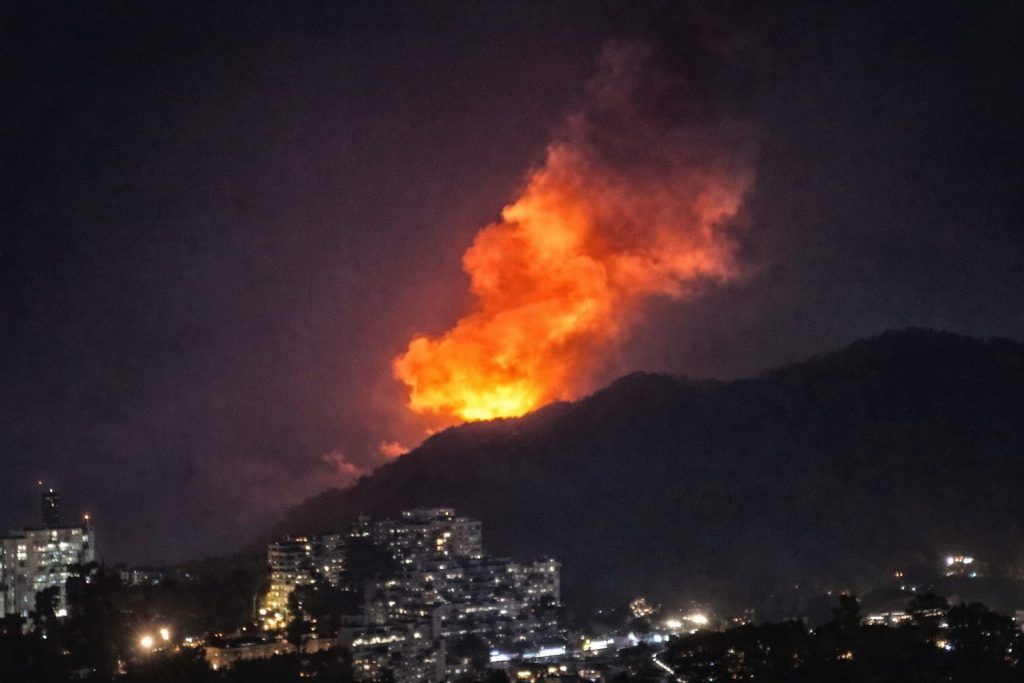
The U.S. struck Venezuela overnight and captured President Nicolas Maduro, President Donald Trump said early on Saturday, promising more details at an 11 a.m. ET press conference in Florida. Venezuela’s government said attacks hit Caracas and several states and declared a national emergency. Reuters said the action would be the most direct U.S. intervention in Latin America since the 1989 invasion of Panama.
The surprise escalation hits as U.S. markets are shut for the weekend, leaving traders to digest the geopolitical shock before Monday’s opening bell. Investors will be watching for any spillover into energy prices and risk appetite, where sudden swings can quickly reshape inflation expectations and interest-rate bets.
Wall Street headed into the weekend with a tentative bounce after a four-session skid. The Dow rose 319.10 points, or 0.66%, to 48,382.39 on Friday; the S&P 500 gained 12.97 points, or 0.19%, to 6,858.47; and the Nasdaq slipped 6.36 points, or 0.03%, to 23,235.63.
Chipmakers drove much of Friday’s lift, with Nvidia and Intel helping power a rally in semiconductors, while Boeing and Caterpillar climbed. Tesla fell 2.6% after it reported a second straight annual drop in sales.
Oil settled slightly lower on Friday despite a growing list of geopolitical flashpoints. Brent ended down 10 cents at $60.75 a barrel and U.S. crude eased 10 cents to $57.32, as traders weighed oversupply worries against risks including Venezuela.
OPEC+, the OPEC producer group and allies, meets on Sunday, and traders widely expect it to keep pausing planned output increases. That decision will set the tone for energy trading as markets reopen.
Caracas has not confirmed Maduro’s capture. Defense Minister Vladimir Padrino said Venezuela would resist the presence of foreign troops and said early-morning strikes hit civilian areas, adding that officials were compiling information on the dead and injured.
The strikes followed a brief diplomatic opening. In a New Year’s interview aired on state television, Maduro said Venezuela was willing to hold “serious talks” with Washington and accept U.S. investment in its oil sector while coordinating on drug trafficking, Reuters reported. Reuters
Before Monday’s session, investors will also track Trump’s promised briefing for clues on the scope and duration of the operation, and any response from Caracas or regional governments. The first market test will come in oil, defense names and other “risk-off” trades — a shift toward safer assets such as cash and government bonds.
Next week’s calendar could amplify the move. The monthly U.S. employment report due Jan. 9 is expected to show payrolls rose 55,000 in December and the unemployment rate held at 4.6%, according to a Reuters poll. Fed funds futures — interest-rate derivatives that reflect policy expectations — imply little chance of a cut at the Fed’s late-January meeting, but nearly a 50% chance of a quarter-point reduction in March. “The market is looking for direction,” Matthew Maley, chief market strategist at Miller Tabak, said. Reuters
Chart watchers will be looking for whether the geopolitical shock pushes the S&P 500 out of its recent range around record highs, after Friday’s close at 6,858.47. Round-number levels near 6,900 and 6,800 are likely to be on traders’ screens going into the open.
The market’s near-term path may come down to a simple question: does Venezuela lift energy prices and volatility, or fade behind jobs data and the next set of policy headlines. Either way, Monday’s open will set the tone for a week where macro data and geopolitics could compete for control of the tape.
Related articles: NYSE:CAT