
NEW YORK, January 3, 2026, 07:21 ET
- Puerto Rico’s Luis Munoz Marin airport suspended most U.S.-operated commercial flights after an FAA airspace restriction, Aerostar said.
- U.S. citizens in Venezuela were told to shelter in place and leave when safe after reports of explosions around Caracas.
- Aerostar is planning a multi-story parking expansion at San Juan airport starting in the second half of 2026.
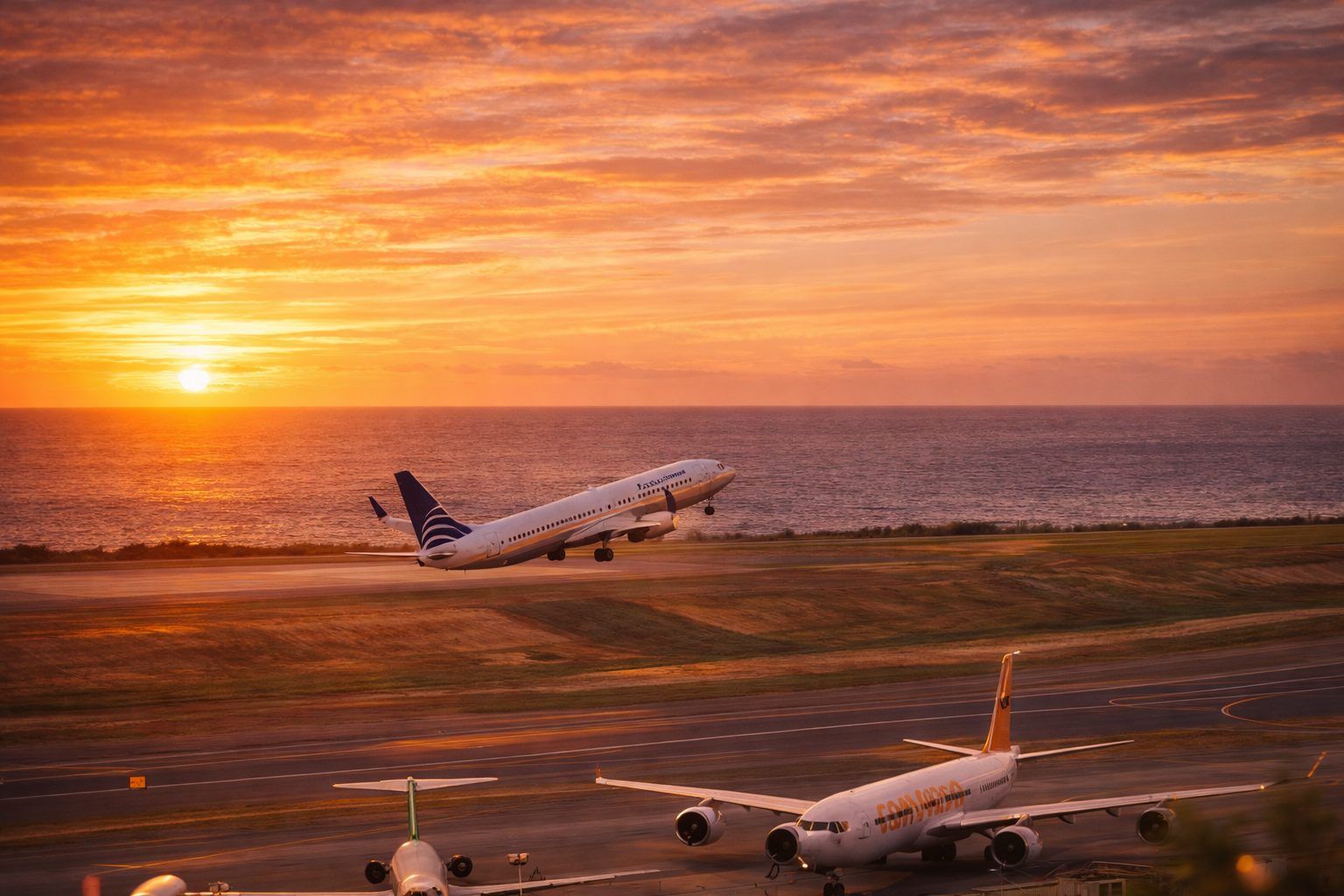
Puerto Rico’s Luis Munoz Marin International Airport (SJU) in San Juan suspended most commercial flights operated by U.S. airlines on Saturday after the Federal Aviation Administration (FAA) imposed a temporary airspace restriction, airport operator Aerostar Airport Holdings said. Aerostar said the order has an initial 24-hour window and could be extended, and it does not apply to foreign airlines or military aircraft; the operator did not specify how many flights were affected.
San Juan is Puerto Rico’s main aviation gateway, and the suspension threatens to snarl travel as airlines push winter capacity into the Caribbean. The move also underscores how quickly security steps tied to Venezuela can spill into civilian air traffic in U.S. territory.
A warning posted on the website of the U.S. Embassy in Venezuela told U.S. citizens in the country to shelter in place after reports of explosions in and around Caracas, the Associated Press reported. The FAA also barred U.S. commercial flights from Venezuelan airspace and warned U.S. pilots away from Venezuela and nearby Curacao because of ongoing military activity, the AP said. Infobae reported that the embassy urged Americans to leave Venezuela as soon as it is safe and reiterated Washington’s top travel warning.
The State Department maintains a Level 4, its highest advisory, for Venezuela and says the U.S. embassy in Caracas has been closed since March 2019, limiting emergency assistance for Americans in the country.
EFE reported that the FAA’s security order restricted the airspace covering Puerto Rico for U.S. airlines for at least 24 hours and said the measure was tied to military activity in Venezuela, not to any incident in Puerto Rico.
The travel disruption followed a dramatic escalation in Venezuela, where President Donald Trump said U.S. forces carried out a large-scale strike and captured President Nicolas Maduro and his wife, flying them out of the country. Venezuela’s government said civilians and military personnel died in the strikes but gave no figures, and it declared a national emergency after explosions hit Caracas and other areas, Reuters reported.
Marc Weller, Chatham House’s programme director for international law, said: “International law prohibits the use of force as a means of national policy.”
With U.S. carriers sidelined, San Juan’s schedule hinges on how long federal authorities keep the restriction in place. Any extension would tighten aircraft availability and raise the stakes for rebooking across nearby Caribbean routes.
Aerostar is also moving ahead with longer-term infrastructure plans at the San Juan airport, including an expansion of its multi-story parking facility that it expects to begin in the second half of 2026, El Nuevo Día reported. The airport has 5,240 parking spaces across its garage, employee parking and a long-term lot, the report said. Aerostar opened the long-term lot in 2022 after a $1 million investment and expects travelers to start using a new pedestrian bridge to Terminal A next month, according to the report.
The juxtaposition is stark: the airport is planning for more cars and foot traffic even as geopolitical shocks force abrupt flight shutdowns. For Puerto Rico’s tourism-dependent economy, both capacity and continuity matter.
The latest FAA action brings uncertainty closer to home for U.S. travelers heading to and from the island. Airlines now face the task of adjusting schedules while officials weigh whether to extend the airspace restriction.
Related articles: Stock Market