New York, Jan 6, 2026, 06:28 EST — Premarket
- AMD shares fell about 1.1% in premarket trading after the company showcased new data-center AI processors at CES.
- CEO Lisa Su previewed the next Instinct MI500 series for 2027 as AMD broadens its AI chip roadmap beyond 2026.
- Investors are looking for clearer signals on shipments, pricing and margins as AMD tries to narrow the gap with Nvidia.
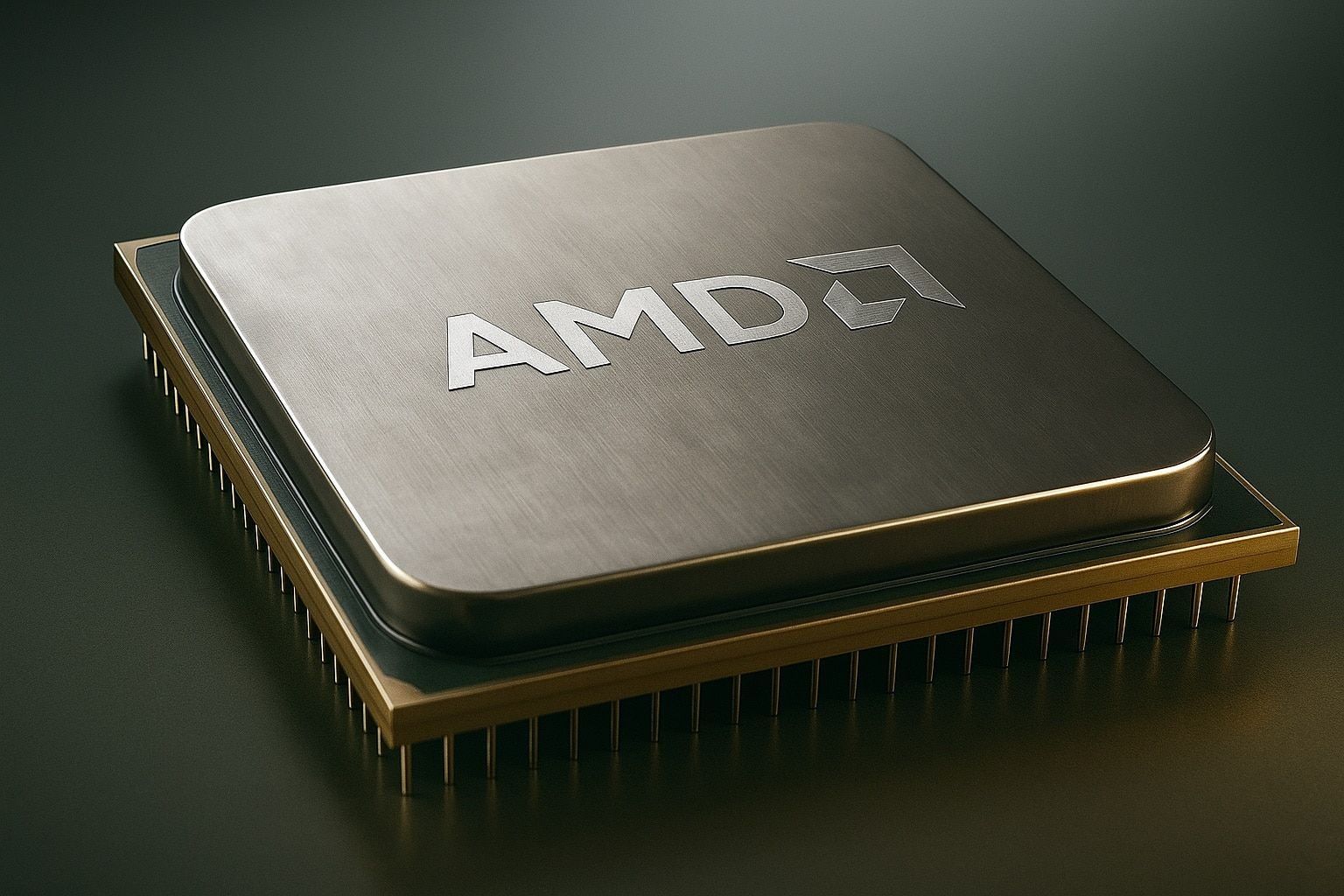
Advanced Micro Devices shares were down about 1.1% in premarket trading on Tuesday, after the chipmaker used the CES trade show to showcase new Instinct processors and preview its next generation of AI chips.
The timing matters because the market’s attention has shifted from AI excitement to execution: who can ship, at what margin, and whether customers keep spending at today’s pace. AMD needs traction in data-center accelerators—specialised chips used to train and run artificial-intelligence models—to justify its recent rerating.
Traders are also watching for proof that AMD can turn marquee customer wins into repeatable revenue, not one-off deals. The next few quarters will test whether AMD’s software and systems keep pace with its hardware cadence, as cloud and enterprise buyers demand faster rollouts.
“At CES, our partners joined us to show what’s possible when the industry comes together to bring AI everywhere, for everyone,” AMD chief executive Lisa Su said in a statement, as the company laid out a broader roadmap spanning data-center infrastructure and AI PCs. Advanced Micro Devices, Inc.
AMD’s pitch comes as Nvidia continues to set the pace at the high end of the AI market, telling investors its next “Vera Rubin” platform is in full production and is expected to arrive later this year. Nvidia has focused heavily on “tokens”—the basic units of text and data that AI systems generate and process—arguing efficiency gains there can lower the cost of running chatbots and other AI applications. Reuters
But the risk for AMD is that product roadmaps do not automatically translate into market share. Any delays in launches, weaker-than-expected customer demand, or a renewed slowdown in cloud capital spending could undercut the case for a sustained AI-driven ramp, especially with competition rising from both traditional rivals and in-house chips built by big customers.
Macro policy also sits in the background for high-growth chip names, which tend to be sensitive to rate expectations. The Federal Reserve’s next policy meeting is scheduled for Jan. 27-28.
For AMD specifically, the next hard catalyst is its quarterly results and outlook. Nasdaq lists AMD’s next earnings date as Feb. 3, 2026.