
Mumbai, Jan 8, 2026, 16:23 IST — Market closed
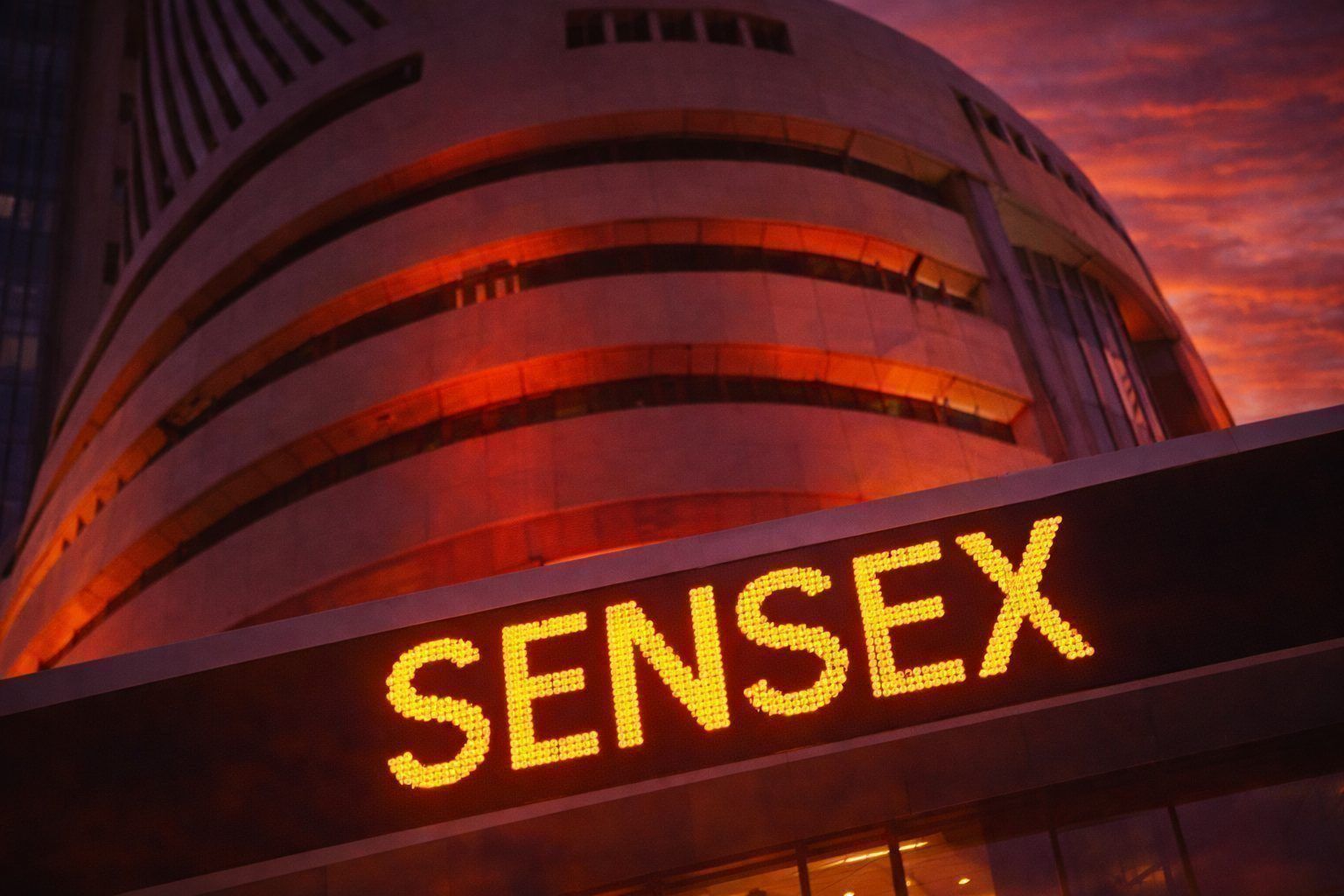
- Nifty 50 fell 1.01% to 25,876.85; Sensex slid 0.92% to 84,180.96.
- Tariff uncertainty and foreign selling drove broad losses; mid- and small-caps dropped 2% each.
- Focus shifts to U.S. payrolls on Friday and the start of India’s earnings season next week.
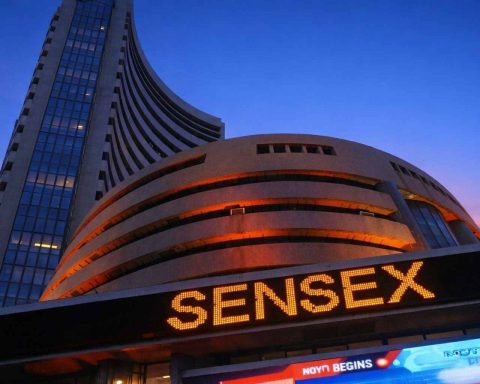
Indian shares closed at their weakest in more than four months on Thursday, with heavyweights and exporters taking the brunt as fresh U.S. tariff threats kept investors cautious. The Nifty 50 ended down 1.01% at 25,876.85 and the Sensex fell 0.92% to 84,180.96, their steepest one-day drop in over four months, after all 16 sector indexes closed lower.
The move matters because the market’s slide is starting to look less like a pause after record highs and more like a reset ahead of earnings season. Trade headlines have landed at the same time as persistent selling by foreign portfolio investors — overseas funds — squeezes risk appetite, especially for export-linked names.
Thursday’s selling was broad and messy in the final stretch. On the day, decliners swamped advancers, and the Nifty finished below 25,900; Sudeep Shah at SBI Securities said the index had slipped under its 50-day moving average — a trend line based on the past 50 closes — for the first time since early October.
Metals and oil-and-gas led the retreat, while IT stocks gave back recent gains. Reliance Industries fell 2.2%, adding weight to the benchmarks, and export-facing apparel and seafood names slid around 8% as traders repriced tariff risk.
Some domestic-facing, project-heavy stocks also got hit. Larsen & Toubro lost 3.1% and BHEL dropped 10.5% after a Reuters report said the finance ministry plans to scrap five-year-old curbs on Chinese firms bidding for government contracts, stoking fears of tougher competition for state orders.
The rupee finish did not help the mood. The currency ended lower at 90.0175 per dollar despite what bankers described as a fresh Reserve Bank of India intervention; “the combined effect” of tariff fears and equity outflows kept pressure on, said Anil Bhansali, head of treasury at Finrex Treasury Advisors. Reuters
Investors now pivot to earnings, with a close watch on guidance from U.S.-exposed sectors. Nine brokerages expect the top six IT firms to post about 4% year-on-year revenue growth for the December quarter, and Motilal Oswal’s Abhishek Pathak said clients remain cautious about committing new spending “amid macro and tariff uncertainty.” Reuters
But the next leg is not one-way. Technical strategist Chandan Taparia at Motilal Oswal flagged 25,800 as part of a broader downside band based on options positioning; a clean break below that area could bring faster selling, while any easing in tariff rhetoric could spark quick cover buying.
Related articles: NSE:RELIANCE