
New York, Jan 8, 2026, 05:58 EST — Premarket
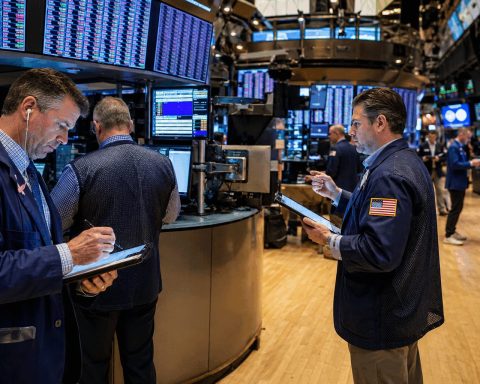
Dow Jones Industrial Average futures edged lower on Thursday after the blue-chip index logged its steepest one-day drop since Nov. 18, with traders bracing for Friday’s U.S. jobs report. Defense names climbed after President Donald Trump called for a $1.5 trillion military budget for 2027; by 5:08 a.m. ET, Dow E-minis — futures tied to the index — were down 146 points, or 0.30%, while S&P 500 E-minis fell 0.22% and Nasdaq 100 E-minis dropped 0.31%, and RTX gained 4.9%. Jefferies economist Mohit Kumar said a shift toward more government intervention would “add to some risk premium in the markets.” Reuters
The main catalyst is the Employment Situation report, the government’s monthly reading on hiring, pay and unemployment, due at 8:30 a.m. ET on Friday. The next big macro test follows fast: the consumer price index for December is scheduled for Jan. 13.
This week’s early signals have been soft but uneven. ADP’s private-sector payrolls report showed employers added 41,000 jobs in December, missing economists’ expectations for a 47,000 gain, and economists surveyed by Reuters looked for about 60,000 nonfarm jobs overall in Friday’s report with the unemployment rate seen easing to 4.5%.
The Dow closed Wednesday down 0.94% at 48,996.08 after earlier hitting an intraday record, dragged by declines in financials including JPMorgan. “Investors have come into 2026 with a similar playbook to last year: Buy tech and forget about it,” Jake Dollarhide, chief executive of Longbow Asset Management, said. Reuters
Outside the market tape, labor demand is cooling at the margin. The Labor Department’s JOLTS report — a monthly survey of job openings, hires and quits — showed openings were little changed at 7.1 million in November but down 885,000 from a year earlier.
For the Dow, single-stock moves can do a lot of work. The Dow Jones Industrial Average is price-weighted, meaning higher-priced shares carry more influence on the index than lower-priced ones.
The risk is that Friday’s jobs number forces a quick rethink. A stronger-than-expected print could push bond yields up and cool rate-cut expectations, while a weaker report could revive fears the economy is losing speed.
Related articles: NYSE:JPM