
New York, Jan 8, 2026, 06:12 EST — Premarket
Spot gold fell 0.6% to $4,427.48 an ounce on Thursday, weighed down by a firmer dollar and positioning ahead of the Bloomberg Commodity Index’s annual rebalancing, a reshuffle that can force big funds to trade futures. “Over the next five days, COMEX futures could see selling in the region of $6 to $7 billion in each metal,” Ole Hansen, head of commodity strategy at Saxo Bank, said. Reuters
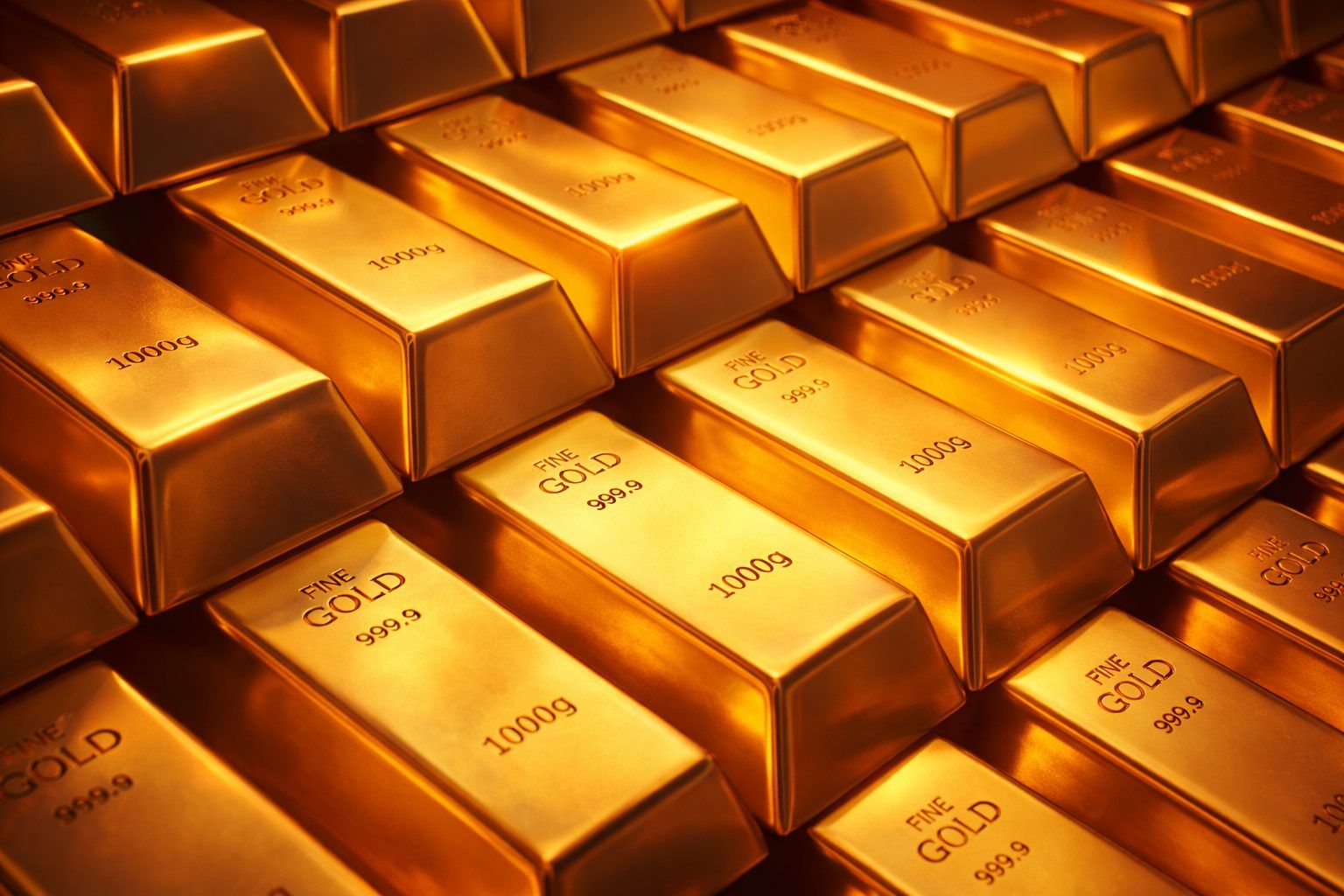
The timing matters because gold is coming off a year that reset price levels and expectations, leaving less room for surprises. Morgan Stanley noted bullion hit a record $4,549.71 late last month after a 64% rise in 2025, its strongest annual performance since 1979.
Gold traders are also back to watching U.S. rate bets tick by tick. “We’re viewing today’s pullback as general profit taking after that recent surge,” said David Meger, director of metals trading at High Ridge Futures, while pointing to softer employment data that has kept the case for Fed easing alive; LSEG data showed markets pricing about 0.61 percentage point of cuts this year. China’s central bank bought gold for a 14th straight month in December, the report added, a steady bid that has helped keep dips shallow. Reuters
Gold-linked stocks moved with the metal in early indications. Newmont was last at $108.01, down about 1.1%, while SPDR Gold Shares slipped roughly 1%; Agnico Eagle was up 0.8%, and AngloGold Ashanti and Royal Gold were down about 1.0% and 0.7%, respectively.
Newmont is still trading near recent highs even after a setback in the prior session. The stock ended Wednesday down 1.09%, close to its 52-week high of $109.30 set a day earlier, MarketWatch data showed.
Big-bank calls are adding to the noise, even as short-term flows dominate the tape. HSBC said on Thursday gold could touch $5,000 an ounce in the first half of 2026, but it trimmed its average 2026 forecast to $4,587 and warned a correction could follow if geopolitical risks fade or the Fed pauses rate cuts.
For gold miners, that tug-of-war can show up fast in equity pricing. When bullion dips for flow reasons, miners often fall harder because their earnings move more than the metal — and investors start asking the same old questions about costs, grades and how long high prices can stick.
The downside case is straightforward. A stronger-than-expected U.S. payrolls print could push yields and the dollar up, cutting the appeal of a non-yielding asset like gold and making any index-driven selling feel heavier; gold stocks would likely take the hit first.
Related articles: NYSE:GLD