
LONDON, Jan 11, 2026, 09:46 GMT — Market closed
- Shares ended Friday at 1,794.5 pence, slipping 0.66%
- The bank is set to launch a SGD 750 million Additional Tier 1 capital raise, while continuing its existing buyback program
- Investors brace for U.S. inflation figures and UK growth data this week ahead of StanChart’s results on Feb. 24
Shares of Standard Chartered STAN.L edged down 0.66% to 1,794.5 pence on Jan. 9. The bank announced plans for a new SGD 750 million Additional Tier 1 capital raise.
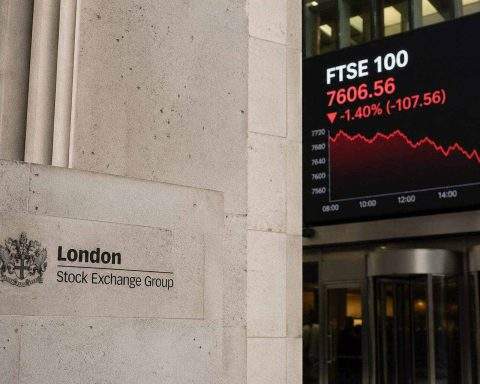
The move comes as investors show a growing appetite for risk. London’s FTSE 100 hit a record close on Friday, buoyed by a U.S. jobs report that sustained hopes for Federal Reserve rate cuts, according to LSEG figures reported by Reuters.
Bank stocks hinge on this since rate expectations shift rapidly around earnings and dividend forecasts. When investors mention “capital headroom,” they’re referring to how much a bank can take in losses while still paying out cash.
Standard Chartered announced its Singapore-dollar securities will be perpetual, carrying no fixed maturity, with issuance set for Jan. 15. The notes offer a 4.3% fixed rate until Jan. 15, 2032, then reset every five years. The bank aims to raise around SGD 744 million to back general operations and bolster its regulatory capital. If fully converted, the securities would translate into about 23.4 million shares, which equals roughly 1% of the issued share capital as of Jan. 8.
Separately, the bank acquired 552,732 shares on Jan. 8, paying a volume-weighted average price of 1,803.27 pence as part of its ongoing buyback. It plans to cancel those shares, leaving roughly 2.26 billion shares outstanding. According to the filing, the bank has spent around $1.13 billion on repurchases under this programme so far.
AT1 securities, also known as “CoCos” or contingent convertibles, kick in to absorb losses when a bank’s capital weakens. Equity holders face a clear trade-off: these instruments help shore up capital ratios but come with the risk of conversion and dilution if things go south. Plus, their coupons can be suspended.
Across the broader UK market, financial stocks have responded more to changing rate outlooks than to corporate news. On Jan. 8, major banks buoyed the sector, even as the FTSE 100 closed unchanged. Investors remain tilted toward expecting Bank of England rate cuts this year.
The upcoming session kicks off with a packed schedule of macro events. U.S. consumer price figures for December 2025 hit on Tuesday, Jan. 13. Then, on Thursday, Jan. 15, the UK will release its November 2025 monthly GDP numbers. Bank of England Governor Andrew Bailey is set to speak on Jan. 13, followed by BoE policymaker Alan Taylor on Jan. 14.
The script can flip quickly. Should inflation catch markets off guard and push a rethink on rate cuts, bank shares might swiftly lose backing, dragging down appetite for capital instruments like AT1 alongside.
Investors will be watching closely for signs of how Standard Chartered plans to manage its balance sheet in 2026 — particularly how it balances regulatory buffers with buybacks and dividends. The next major test comes with the full-year results due Feb. 24.
Related articles: LSE:STAN