
New York, Jan 11, 2026, 10:45 EST — Market closed.
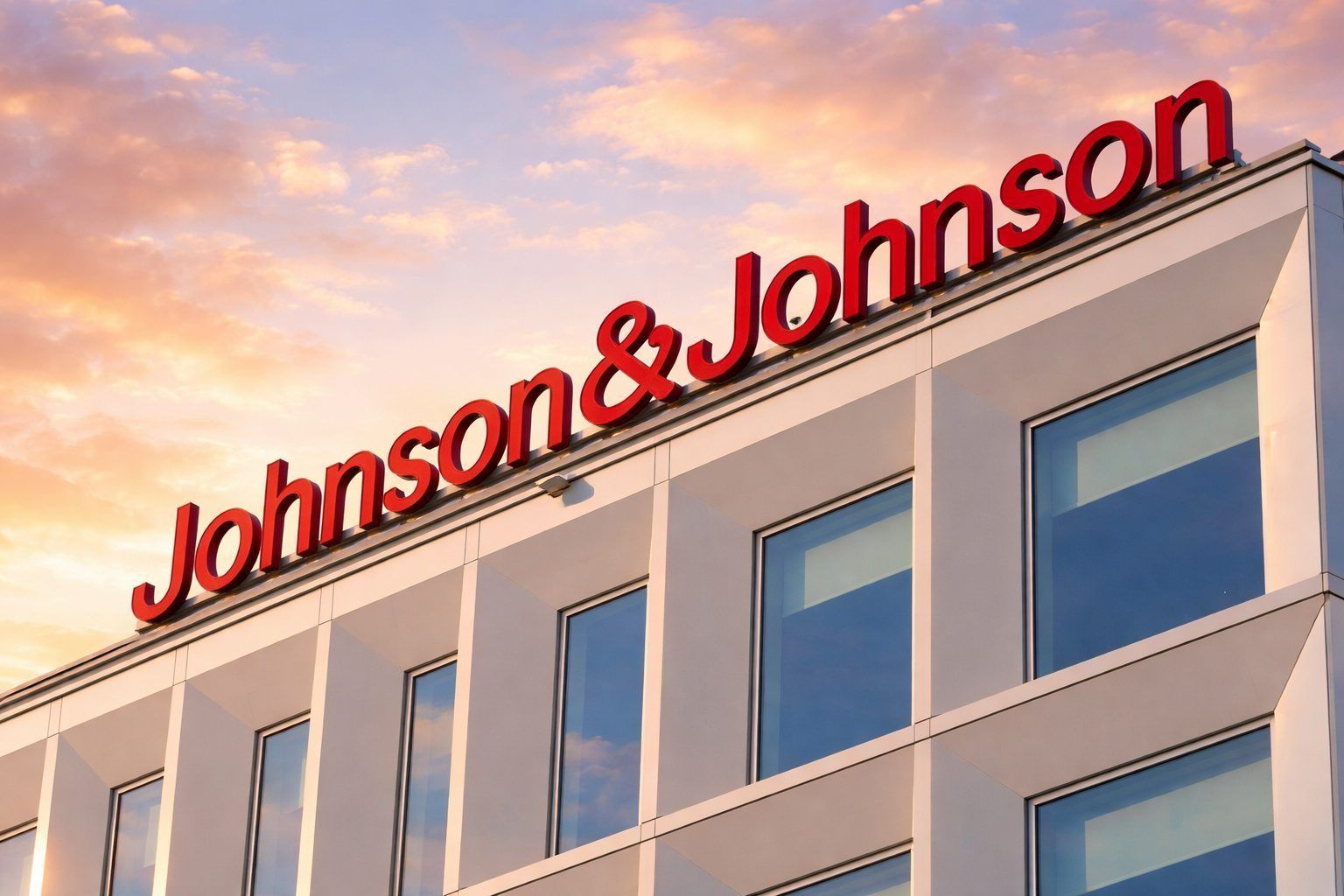
Shares of Johnson & Johnson (JNJ.N) dipped 0.7% on Friday to $204.39 following the company’s announcement of a deal with the Trump administration to lower U.S. drug prices. In return, J&J secured exemptions from certain U.S. tariffs. The company said it will offer medicines at discounted rates via TrumpRx.gov and match Medicaid pricing levels seen in other developed countries, though it did not specify which drugs would be involved or the exact discount sizes. The administration made similar deals with nine other pharmaceutical firms in December as part of its effort to close the gap that leaves U.S. patients paying nearly three times more than those abroad.
Why it matters now: drug pricing has returned to the forefront of U.S. policy debates. Investors usually see it as a gradual drag on earnings. Tariffs act as import taxes, so relief might safeguard supply chains, but cuts in drug prices hit margins directly.
The market’s immediate task before Monday’s open is to determine if this is just a limited program or the beginning of a wider reset in net U.S. prices. Behind that lies another question: if tariff relief acts as the incentive, how many rivals will jump on board—and how fast?
J&J slipped while Wall Street hit new highs Friday, buoyed by weaker-than-expected jobs data that left hopes for Federal Reserve rate cuts alive. “Payrolls were a little bit light relative to consensus, but still fairly strong numbers,” noted Tim Ghriskey, senior portfolio strategist at Ingalls & Snyder. Reuters
Johnson & Johnson CEO Joaquin Duato said the deal demonstrates that “when the public and private sectors work together … we can deliver real results for patients.” The company also announced plans to build two new manufacturing plants in North Carolina and Pennsylvania, part of a $55 billion U.S. investment initiative extending through early 2029. JNJ.com
On Saturday, the company released updated longer-term results from an early-stage trial of amivantamab (Rybrevant) — a lab-engineered antibody targeting two pathways — combined with standard chemotherapy in metastatic colorectal cancer. The data, unveiled at the 2026 ASCO GI Symposium, showed that over 70% of patients in a first-line subgroup responded, with most responses lasting more than 16 months. “Seeing patients maintain responses for extended periods … is a powerful sign of progress,” said Dr. Filippo Pietrantonio, head of gastrointestinal oncology at Milan’s National Cancer Institute. Johnson & Johnson Investor Relations
Still, the risks remain clear. Early cancer results often don’t hold up in larger trials, and pricing agreements can seem reasonable—until the initial tough figures show up in guidance.
Macro factors may steer defensives such as healthcare this week, with key bank earnings and December CPI inflation figures coming Tuesday. “On balance for this year, the foundation for the market is solid,” said Michael Arone, chief investment strategist at State Street Investment Management. Reuters
Johnson & Johnson’s fourth-quarter 2025 earnings call is set for Jan. 21 at 8:30 a.m. ET. Investors are expected to zero in on 2026 guidance and look for more clarity on the pricing agreement.
Related articles: NYSE:JNJ