
New York, January 12, 2026, 11:40 EST — Regular session
- Citigroup shares fall mid-session as investors weigh a proposed 10% cap on credit-card interest rates
- Analysts warn a cap would likely need Congress; banks say it could tighten credit access
- Supreme Court decision keeps alive a fraud lawsuit tied to Citigroup’s Banamex unit
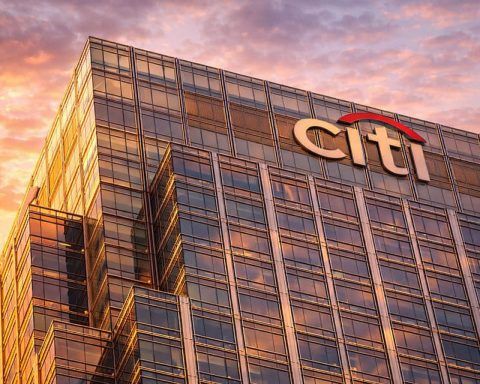
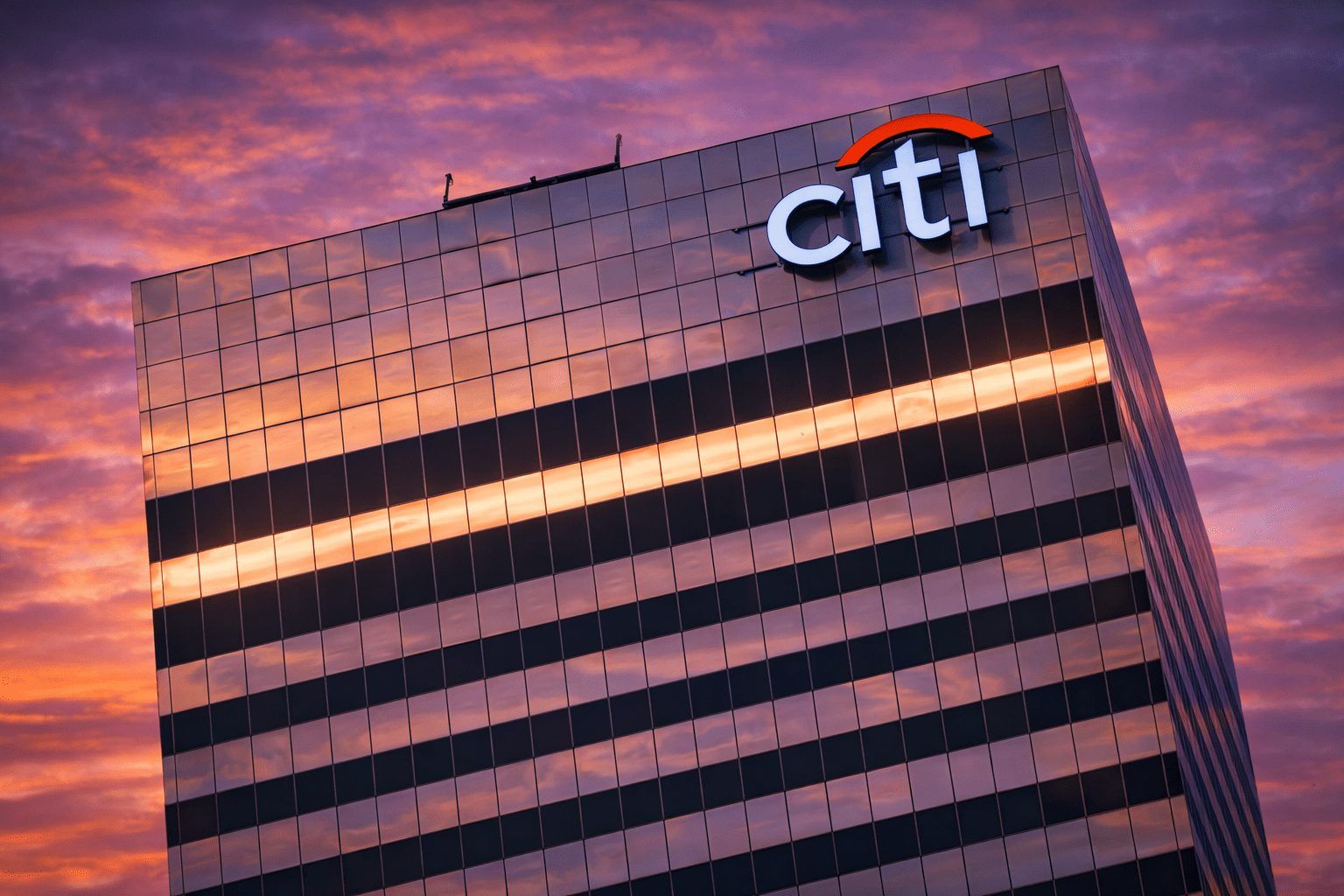
Citigroup Inc shares were down about 3.5% at $117.03 in late morning trading, after President Donald Trump called for a one-year cap on credit card interest rates at 10% starting Jan. 20 and gave no details on how companies would be made to comply.
The headline risk for Citi is simple: credit cards are a big consumer profit engine across the industry, and a hard ceiling would hit pricing on loans that carry no collateral. It also lands with bank earnings days away, when executives normally talk about credit quality, buybacks and how fast they can cut costs.
Some analysts doubt the idea can move quickly, or at all. UBS Global analysts said it would take an “Act of Congress,” while Seaport Research’s Bill Ryan said it was not surprising to see the idea revived as “affordability” has become a bigger political issue; JPMorgan analyst Vivek Juneja warned it could push consumers into “more expensive debt” outside the banking system. Credit card rates averaged 20.97% in November, the Federal Reserve’s consumer credit report showed, making the proposed cap a sharp cut from current pricing. Reuters
The selloff spread beyond Citi. The Financial Select Sector SPDR Fund was down about 1% and the SPDR S&P Bank ETF fell about 1.3%. Capital One slid nearly 7% and American Express dropped about 4%, while Visa and Mastercard were both lower by around 1% to 2%.
Citi also has a separate legal overhang. The U.S. Supreme Court declined to hear Citigroup’s appeal in litigation tied to the bankruptcy of Mexican oil-services firm Oceanografia, leaving in place a lower-court decision that revived the case. The plaintiffs, including bondholders, accuse Citi’s Banamex unit of enabling a fraud that caused more than $1 billion in losses; the appeal centered on whether bondholders can pursue claims under RICO, an anti-racketeering law that allows for triple damages.
Outside Wall Street, the politics are messy. An Associated Press report carried by ABC News cited researchers who estimated consumers could “save Americans $100 billion” a year if rates were capped, while banking groups argued a cap would curb credit lines for riskier borrowers and push them toward costlier alternatives. ABC News
The near-term risk for bulls is that the rate-cap idea stops being a headline and turns into a real legislative push, forcing lenders to tighten terms before any rule change hits. The counterpoint is that Washington talk fades fast, and bank results this week could pull attention back to earnings power and credit trends.
For Citi, the next hard catalyst is its fourth-quarter report on Wednesday. Investors will listen for any early read on card balances, delinquencies and the bank’s net interest margin — the spread between what it earns on loans and pays on funding — and whether executives see the policy noise turning into something they have to price for.
Related articles: NYSE:C