
New York, January 13, 2026, 11:07 EST
- Goldman Sachs assumes coverage of Super Micro Computer at Sell, sets $26 price target
- SMCI shares fall about 6% in late morning trade
- Analysts focus on shrinking margins and cash strain as AI-server competition tightens
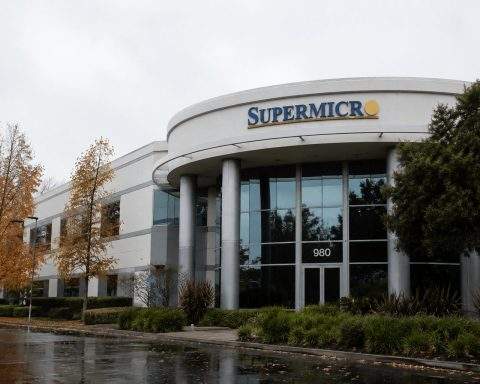
Shares of Super Micro Computer (SMCI) fell on Tuesday after Goldman Sachs assumed coverage of the AI-server maker with a Sell rating, warning profit margins could weaken further even as demand for artificial intelligence (AI) hardware stays strong. The stock was down about 6.0% at $28.31 as of 10:51 a.m. EST.
The call lands at a touchy moment for Super Micro, which sits in the middle of the AI buildout but is being judged less on how fast it ships boxes and more on what it keeps after costs. For a stock that can move on a single note, the question is simple: can it grow without giving away the economics.
Competition is the backdrop. Dell and Hewlett Packard Enterprise have pushed hard into AI infrastructure, and big server “rack” deals can be low-margin while tying up cash in parts, inventory and receivables.
Goldman analyst Katherine Murphy wrote that Super Micro should remain “a leader in the AI server market” in the medium term, but she said there was “limited visibility into improving profitability” and that “there could still be further downside to margins.” She also described the firm as “in a price-taking position” given its supplier and customer dynamics.
Goldman set a 12-month price target of $26 per share, down from $34, and said its earnings-per-share forecasts were about 10% below consensus. Earnings per share, or EPS, is the profit allocated to each share, while “consensus” is the average of analysts’ estimates.
A Zacks note published on Nasdaq said SMCI shares have plunged 44.9% over the past three months, leaving the stock trading at a forward price-to-earnings ratio of 14.03. Forward P/E compares the share price with expected earnings and is often used as a quick valuation yardstick.
The Zacks note pointed to gross margins contracting for nine quarters and negative free cash flow of $950 million in the first quarter of fiscal 2026. Gross margin is the slice of revenue left after the direct cost of building and shipping the systems; free cash flow is cash left after capital spending.
It also highlighted the strain that comes with scaling. The note said Super Micro is targeting output of 6,000 racks a month, including 3,000 liquid-cooled racks, and expanding facilities in Taiwan, the Netherlands, Malaysia and the Middle East.
Inventory at the end of the quarter was $5.7 billion, up from $4.7 billion in the prior quarter, while the cash conversion cycle stretched to 123 days from 96. The cash conversion cycle is a rough measure of how long money is tied up in inventory and unpaid invoices before it comes back as cash.
Trefis said Super Micro’s advantage has been speed and customization, helped by a modular “building block” approach, but that the edge is narrowing as Dell and HPE bundle servers, networking and services for large enterprise buyers. It flagged gross margin of 9.3% in the first quarter of fiscal 2026, down from 13.1% a year earlier. Trefis
The stock’s swings also reflect bruised credibility from earlier financial reporting turmoil. In October 2024, Super Micro said Ernst & Young had resigned as its auditor, a move that hammered the shares and sharpened investor focus on accounting and controls.
But the downside case is not a clean line. If liquid-cooled systems and modular rack builds start to carry higher margins — or if pricing pressure eases faster than expected — a lot of today’s caution gets stale quickly, and the stock can rerate on a small shift in profitability.
Related articles: NASDAQ:SMCI