
New York, June 10, 2026, 18:45 ET
- Murphy USA finished at $612.16, gaining 10.04%. Shares hit $614.24 at the session high.
- Investors got a new signal from Casey’s General Stores and sent shares higher. The stock jumped after the company reported quarterly results that topped expectations.
- Fuel margin is in focus, as profit per gallon in cents drives results for convenience-store fuel sellers.
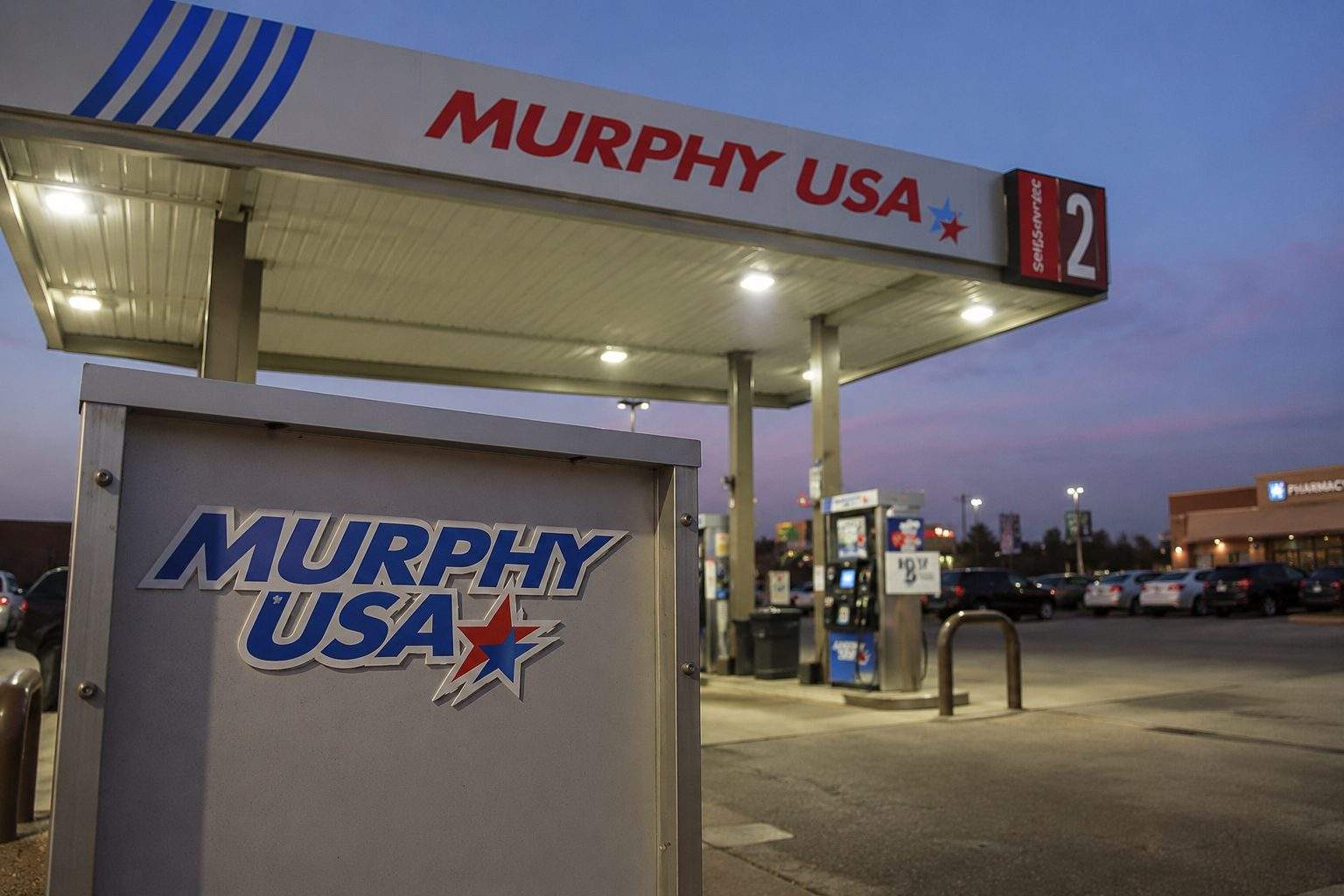
Murphy USA Inc. shares surged on Wednesday, closing at $612.16 for a 10.04% gain from Tuesday’s $556.33 close. The stock hit an intraday high of $614.24, while volume jumped to 542,124 shares from 289,138 the previous session. That’s a big surge in activity for the gas-station and convenience-store operator, which didn’t issue an earnings report during the session.
Casey’s General Stores gave the market a new read on the group. The convenience and fuel retailer rallied 20.29% to close at $915.60 after a strong fourth quarter. Casey’s reported adjusted gains across its business but fuel profitability drew the most attention from Murphy holders.
Casey’s posted a 1.5% jump in fourth-quarter fuel same-store gallons, with fuel margin at 46.9 cents per gallon. Fuel gross profit climbed 29.1% to $397.4 million. “Cents per gallon,” or cpg, is a pump-margin metric signaling how much margin per gallon a retailer brings in before any adjustments. Business Wire
That’s important since Murphy showed the same type of earnings sensitivity in its own Q1 numbers. The company’s total fuel contribution, which includes retail fuel margin, fuel supply and wholesale, plus renewable fuel credits, was 35.0 cpg versus 25.4 cpg last year. Net income came in at $136.3 million, or $7.28 diluted EPS, up from $53.2 million, or $2.63 per diluted share. Diluted EPS divides profit by all shares if converted.
Murphy President and CEO Mindy West talked about the shift in April, pointing to the refined-product market’s volatility. “The business behaved far more favorably,” she said. West added that retail margins held up and that higher prices helped the fuel supply business. Business Wire
Wednesday saw what looked like a repricing. Murphy’s first-quarter total fuel contribution dollars were up 40.6% to $403.9 million, with retail fuel volumes ticking up 2.1%. Merchandise contribution came in at $210.2 million, up 7.3%, thanks to higher average unit margins. But after Casey’s report, the market stayed focused on pump economics.
The comparison isn’t exact. Casey’s leaned on in-store strength this quarter, with prepared food and non-alcoholic drinks driving inside same-store sales up 5.5%. Murphy’s April update sounded more mixed. Merchandise trends inside stores stayed steady, but the company flagged drag in discretionary non-nicotine categories. So the takeaway here is clearer for fuel margins than for food or total convenience store demand.
The latest Murphy-specific filing is an ownership disclosure. Director Diane N. Landen sold 3,000 shares at $547.25 on June 5, according to a Form 4 filed June 9, and also gifted another 3,000 shares. The filing is relevant, but it’s not an operating update and it doesn’t explain the earnings-driven move in the sector on Wednesday.
Murphy’s business model puts a spotlight on every shift in fuel profits. The company ran about 1,800 stores in 27 states by the end of 2025, many close to Walmart, selling low-price, high-volume fuel to value-focused buyers. In this setup, small changes in fuel gallons or cents-per-gallon profit can swing earnings in a big way.
Fuel margins can swing fast. Murphy’s annual filing notes margins on gasoline bounce around with refined-product prices, geopolitical news, supply issues, competition and inflation. If fuel prices run higher, that can cut into consumer spending and mean fewer miles driven, which drags on fuel volumes and store visits. Shares jumped 10% in a day and now trade as if strong margins will hold up past this quarter.
All eyes are now on Murphy’s second-quarter report after the company said in its Q1 release that April volumes were about flat and fuel margins would hold in the 35-to-40 cpg range. If summer driving or wholesale prices soften those margins, Wednesday’s move driven by peers might not hold up without backup from Murphy’s own figures.
Related articles: Stock Market