
WASHINGTON, Jan 15, 2026, 06:39 EST
- A U.S. judge is set to rule Thursday on whether Equinor can restart construction of the Empire Wind project off New York.
- Equinor says the project is at risk if it cannot resume key work by Jan. 16.
- The case is the latest test of the Trump administration’s pause on offshore wind activity in federal waters.
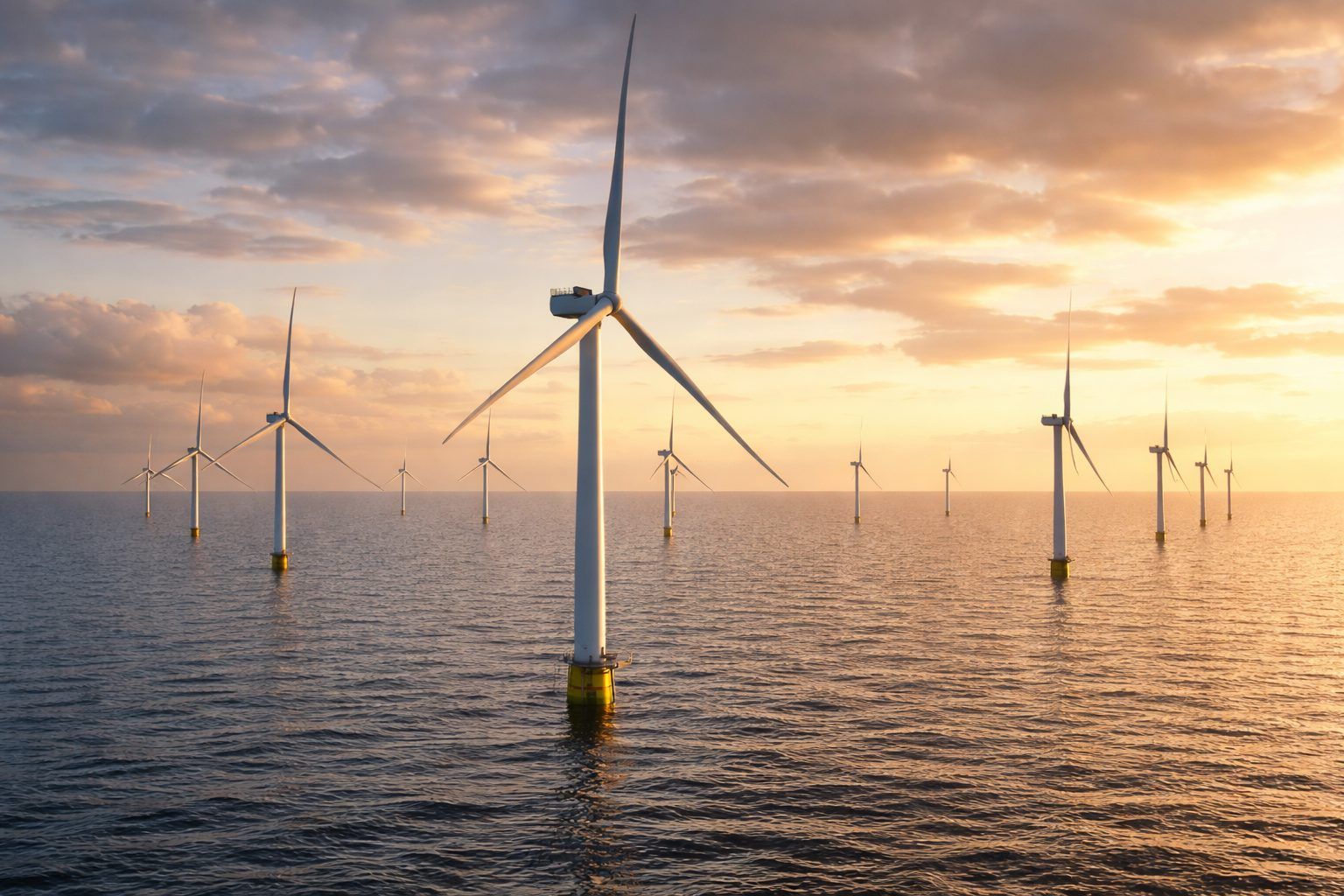
U.S. District Judge Carl Nichols is due to rule Thursday on whether Equinor can resume construction of its $5.5 billion Empire Wind project off Long Island after the Trump administration paused offshore wind activity in federal waters. Equinor has told the court it could face project termination if work does not restart by Jan. 16, and a telephonic hearing is scheduled for 11 a.m. local time. At Wednesday’s hearing, Empire Wind attorney Ann Navaro called the pause an “existential risk,” while Justice Department attorney Stanley Woodward dismissed the feared harms as “speculative.” Reuters
Equinor says the pause could doom Empire Wind, which it says is about 60% complete and meant to power more than 500,000 homes. Molly Morris, Equinor’s senior vice president overseeing the project, said a heavy-lift vessel needed to set a substation topside weighing more than 3,000 tons is due to leave on Feb. 1, and officials have not explained the security concerns or how to mitigate them. The administration filed its national security reasoning under seal, and Nichols told government lawyers, “Your brief doesn’t even include the word arbitrary.” AP News
Nichols signaled he plans to move fast. He told lawyers he would act “very, very quickly” and had “no interest in unduly delaying” his decision, even as he pressed the government on why construction itself would create national security harms. E&E News by POLITICO
The Interior Department ordered five East Coast offshore wind projects to suspend activity for at least 90 days late last month, saying a classified Defense Department assessment raised concerns about radar interference — “clutter” that can complicate what military systems see. The pause covers Vineyard Wind under construction off Massachusetts, Orsted’s Revolution Wind, Dominion Energy’s Coastal Virginia Offshore Wind, and New York projects Sunrise Wind and Empire Wind, according to letters obtained by The Associated Press. A former USS Cole commander, Kirk Lippold, questioned the shift, saying, “I want to know what’s changed?” AP News
On Monday, U.S. District Judge Royce Lamberth cleared Danish developer Orsted (ORSTED.CO) to restart work on its nearly finished Revolution Wind project, rejecting the administration’s national security argument, Reuters reported. Revolution Wind is about 87% complete and Orsted has said it expects to begin generating power this year; its lawyer Janice Schneider told the judge, “This Court should be very skeptical of the government’s true motives here.” Reuters said the Revolution Wind hearing was the first of three this week, with cases involving Equinor’s Empire Wind and Dominion’s Coastal Virginia Offshore Wind scheduled next. Reuters
New York Attorney General Letitia James has also sued the Trump administration over the shutdown orders for Empire Wind and Orsted’s Sunrise Wind project, adding pressure from states that have built power plans around offshore wind. Trade publication reNews reported the state is asking the court to declare the stop-work orders unlawful and block the shutdown.
A preliminary injunction would not decide the lawsuit itself. It would determine whether construction can resume while the court weighs whether the administration followed required procedures and whether the security concerns justify stopping work.
Equinor’s U.S.-listed shares (EQNR) were up about 1.8% before the opening bell on Thursday, while Dominion Energy (D) was up about 2.1%.
But the outcome could still whipsaw the project. Even if Nichols grants an injunction, the administration can appeal and the wider lawsuit would keep running. If he turns Equinor down, the company may struggle to line up scarce installation vessels and could face a decision on whether to keep spending into a pause.
Nichols’ ruling is expected to land as other developers and coastal states weigh their next legal steps against the Interior Department’s freeze, with billions of dollars already sunk into turbines, ships and steel.