
NEW YORK, Jan 16, 2026, 19:24 EST
Energy Secretary Chris Wright told Reuters on Friday that the U.S. is moving “as fast as it can” to expand Chevron’s Venezuela license, enabling the company to pay royalties and taxes in cash. This shift would let Chevron sell all its Venezuelan crude outright, instead of compensating the government with oil, Wright explained. He also revealed that Washington is marketing up to 50 million barrels of stranded Venezuelan crude, with the proceeds held in Qatari bank accounts under U.S. government control. Reuters
The shift is significant because traders view Venezuela policy as a key swing factor for crude prices and energy stocks. Any step that eases export restrictions is seen as a possible supply increase. Since oil producers’ earnings and buybacks often follow crude prices, supply news can jolt “oil stocks” even if the companies’ underlying fundamentals remain steady.
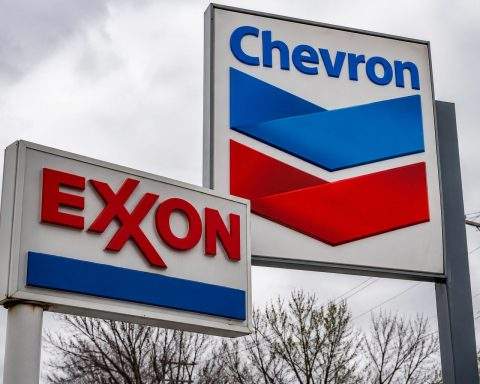
Energy stocks climbed last week despite volatile crude prices driven by geopolitical tensions. The Energy Select Sector SPDR Fund added roughly 2.2% between Jan. 9 and Jan. 16. Chevron’s shares rose around 2.6%, while Exxon Mobil jumped about 4.2% in that stretch, based on closing prices.
Brent crude closed Friday at $64.13 a barrel, while U.S. West Texas Intermediate finished at $59.44. Traders were covering short positions—bets on falling prices—ahead of the U.S. holiday weekend, analysts noted. Phillip Nova’s Priyanka Sachdeva said the market still points to ample supply, with Brent likely to stay range-bound between $57 and $67 unless demand picks up or there’s a disruption in physical flows.
Oil dropped roughly 4% on Thursday, snapping a five-day rally as U.S. President Donald Trump toned down his rhetoric on Iran, calming worries about an imminent supply disruption. Saxo Bank analyst Ole Hansen noted that “the immediate risk premium has softened but is unlikely to go away” — pointing to the extra cost buyers face amid fears of supply shocks. Reuters
In Venezuela, oil executives and lawyers representing international firms are urging rapid reforms to the hydrocarbon law. Their goal: to secure control over their production shares and gain access to export infrastructure, according to sources involved in the discussions who spoke to Reuters. The plan would maintain PDVSA as the majority owner in joint ventures but simplify export and payment processes, which have been complicated by sanctions, the sources added.
Policy details are still unsettled. On Friday, the U.S. Energy Department said it was “not currently considering” swapping Venezuelan crude with U.S. oil firms to replenish the Strategic Petroleum Reserve. This came after Reuters cited two sources saying the administration was looking into that option. Reuters
Oil prices could falter if supply outpaces demand. The U.S. Energy Information Administration projects global inventories will grow by an average of 2.8 million barrels per day in 2026, a rise likely to cap crude prices and limit the earnings boost that typically lifts oil stocks.
Investors are focused on how fast Washington moves to finalize new license terms and if Venezuelan production can increase smoothly without snags. They’re also wary of sudden Iran-related risks that could disrupt the market.
Related articles: NYSE:CVX