
London, January 17, 2026, 08:53 (GMT) — Market closed.
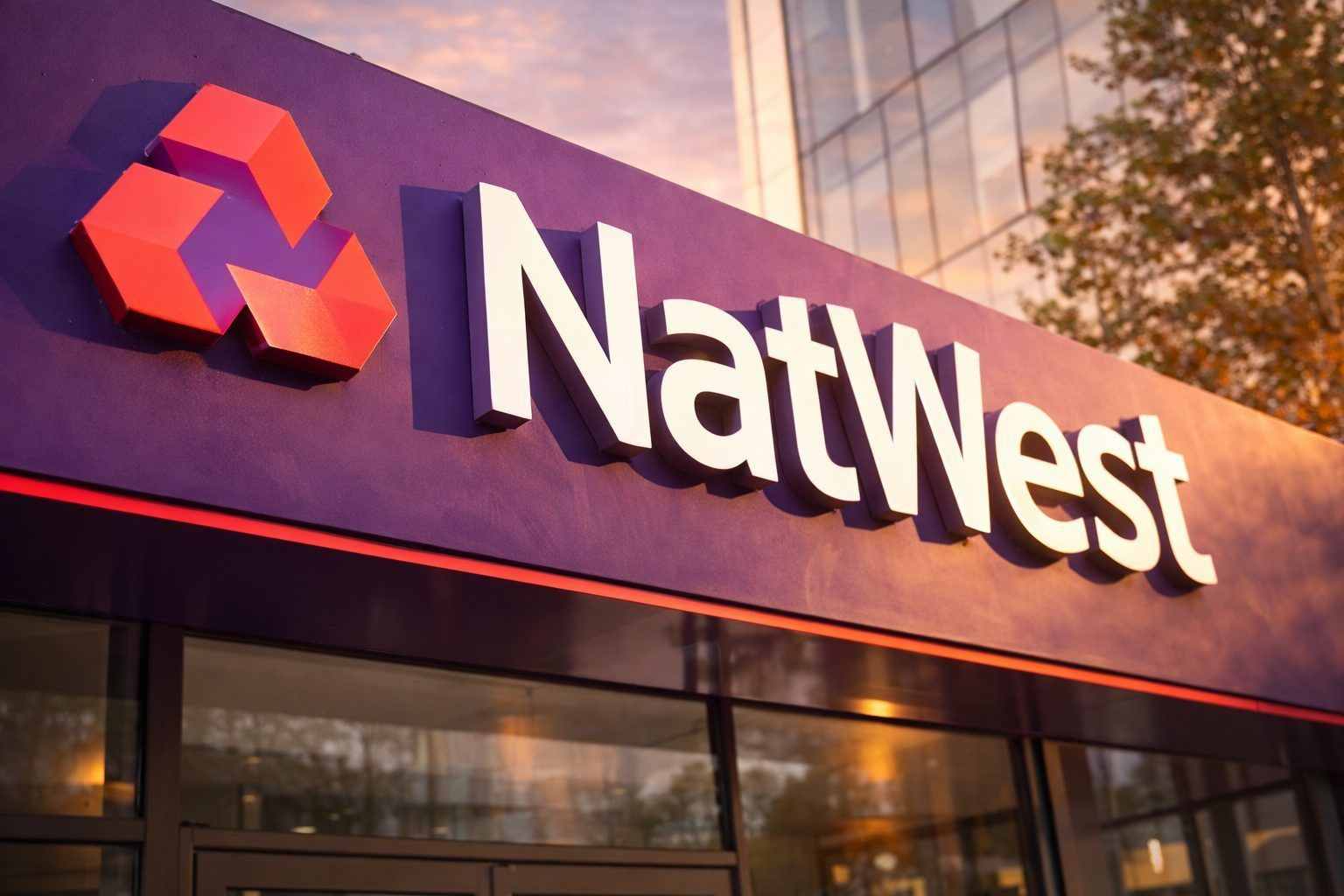
- NatWest shares ended Friday 2.16% higher, closing at 652.8p (£6.53).
- The bank revealed it carried out another round of share buybacks, planning to cancel the repurchased stock.
- Attention now turns to the Bank of England’s upcoming rate decision and NatWest’s latest annual results.
NatWest Group Plc shares ended Friday at 652.8 pence (6.53 pounds), rising 2.16%. London markets were closed over the weekend. The stock fluctuated between 636.6p and 652.8p, with roughly 18.5 million shares traded.
NatWest has jumped back into the rate trade ahead of the Bank of England’s upcoming Bank Rate decision on Feb. 5. The benchmark currently stands at 3.75%.
NatWest has marked a key date: the bank will release its 2025 annual results at 7 a.m. GMT on Friday, Feb. 13. Investors are keen to see how earnings hold up amid changing interest rates and tougher lending competition.
NatWest announced on Friday that it repurchased 827,502 ordinary shares on Jan. 16, paying a volume-weighted average price of 644.39p. This was done through its buyback programme with Merrill Lynch International, part of Bank of America. The bank plans to cancel these shares, leaving 7,996,818,348 shares outstanding, excluding treasury stock, once the settlement is complete.
The broader market offered little support. The FTSE 100 edged down 0.04% on Friday, closing at 10,235.29, dragged lower by miners amid weaker copper prices. Still, the index managed to finish the week marginally higher, according to a Reuters report.
Positive UK economic data gave London stocks a boost earlier. Britain’s economy expanded 0.3% in November. Axel Rudolph, senior financial analyst at IG, described the figure as “a potential catalyst for inflows” into UK shares. Traders priced in about 40 basis points of Bank of England rate cuts by September, according to Reuters. Reuters
The housing sector is flashing mixed signals. A Bank of England survey released Thursday revealed that lenders anticipate mortgage demand to decline in early 2026, following a drop at the close of last year. Meanwhile, demand for unsecured consumer loans is expected to stay flat, with corporate lending demand holding steady through the three months ending in February, Reuters reported.
Mortgages and consumer lending are core to NatWest’s business. While lower rates can tighten the net interest margin—the difference between earnings on loans and the cost of deposits—they also have the potential to boost borrowing volumes down the line.
Domestic peers like Lloyds Banking Group and Barclays wrestle with the same balancing act: holding onto deposits without eroding margins, while pricing new mortgages carefully. The upcoming UK bank earnings will reveal if the faith in their capital returns holds up.
The downside is unmistakable. Earnings could take a hit if rate cuts happen faster than expected, mortgage demand weakens, or credit quality deteriorates—prompting a possible reevaluation of buybacks.
On Monday, when London markets reopen, traders will focus on UK rate expectations and their potential impact on bank valuations. Key upcoming events include the Bank of England’s decision on Feb. 5 and NatWest’s annual results due Feb. 13.


![Australia Stock Market Today 26/08/2026 [UPDATE: 10:37 AEST] [Woolworths and Lovisa Lift ASX Before CPI]](https://ts2.tech/wp-content/uploads/2026/08/AU-market-dashboard-2026-08-26-1037-480x384.jpg "Australia Stock Market Today 26/08/2026 [UPDATE: 10:37 AEST] [Woolworths and Lovisa Lift ASX Before CPI]")