New York, January 17, 2026, 11:26 ET — The market is now closed.
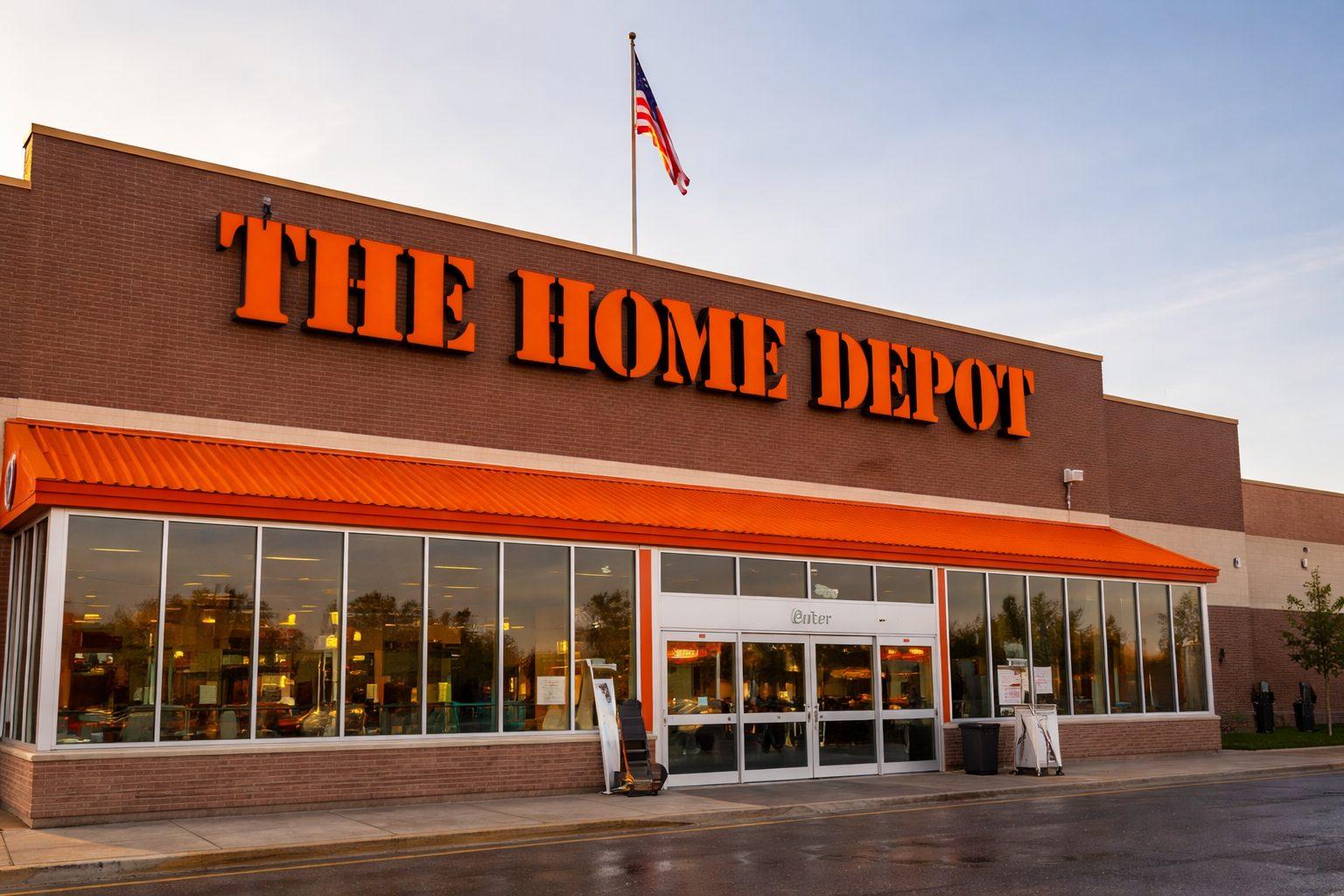
Home Depot (HD.N) is under fresh pressure from shareholders to scrutinize how it handles surveillance data from its parking lots, following reports that vendor Flock Safety’s license-plate reader cameras have been linked to U.S. immigration enforcement. The stock closed Friday at $380.17, up $1.03, or 0.27%. Zevin Asset Management, which owns over $7 million in Home Depot shares, is spearheading a proposal backed by 17 co-filers urging an “assessment of privacy and civil rights risks.” A company spokesperson responded, saying: “We cannot legally interfere with federal enforcement agencies.” Reuters
This push is significant because it throws Home Depot into a battle investors have long anticipated: reputational risk from immigration raids close to stores, plus legal risks tied to data collection, storage, and sharing. It isn’t a sales problem outright, but could evolve into one if it consumes management’s attention, triggers protests, or compels shifts in policy.
Shareholder proposals usually aren’t binding, yet they often push companies to reveal more and pressure directors right before the annual meeting rush. For a major retailer with hefty security budgets, the boundary between stopping theft and invading privacy isn’t always clear-cut.
Analysts have zeroed in on demand indicators, sidelining politics for now. Truist bumped its Home Depot price target to $405 from $390, sticking with a Buy rating. The move reflects payment-card “reads” that track spending trends, showing December sales held firm despite tougher year-over-year comps. Morgan Stanley raised its target to $412 from $395 and maintained an Overweight stance. TipRanks
Rate expectations continue to drive the group, with Home Depot typically moving in step with the bond market. That’s because rising borrowing costs often dampen housing sales and major renovation work. Federal Reserve Vice Chair Philip Jefferson described the current policy stance as “well positioned” ahead of the Fed’s January 27-28 meeting. Reuters
Treasury yields climbed Friday as fresh doubts surfaced over the Fed’s next chair. President Donald Trump hinted he might stick with economic adviser Kevin Hassett in the White House, instead of nominating him to head the Fed. Headlines like that can jolt rate-sensitive stocks instantly, even when companies haven’t reported new earnings.
U.S. stocks climbed on Friday to close out a volatile week, with Wall Street closed Monday for Martin Luther King Jr. Day. Trading resumes Tuesday, so the first real test for Home Depot will be when markets reopen and investors adjust their positions after the break.
Rival Lowe’s (LOW.N) edged up as well, closing at $277.55, gaining $0.50 or roughly 0.2%. This underscores how the market’s focus remains on interest rates and overall risk sentiment rather than individual retailer news.
Still, risks lurk. Should the surveillance debate ramp up into stricter data-sharing regulations, or flare over store security and immigration enforcement, Home Depot might grapple with steeper compliance costs and a hit to its reputation. Rising yields again would pile on fresh pressure.
Investors are now focused on two key dates: the Fed’s decision on January 27-28, and Home Depot’s upcoming earnings report on February 24 at 9:00 a.m. ET. That report will offer a chance to probe management on demand trends and the shareholder proposal ahead of spring’s meeting season.