NEW YORK, January 19, 2026, 13:33 EST — Market closed
- U.S. financial stocks made a comeback Tuesday following the holiday break, as policy risks took center stage again
- Traders are closely tracking the specifics of Trump’s proposed credit card interest-rate cap and awaiting lenders’ reactions
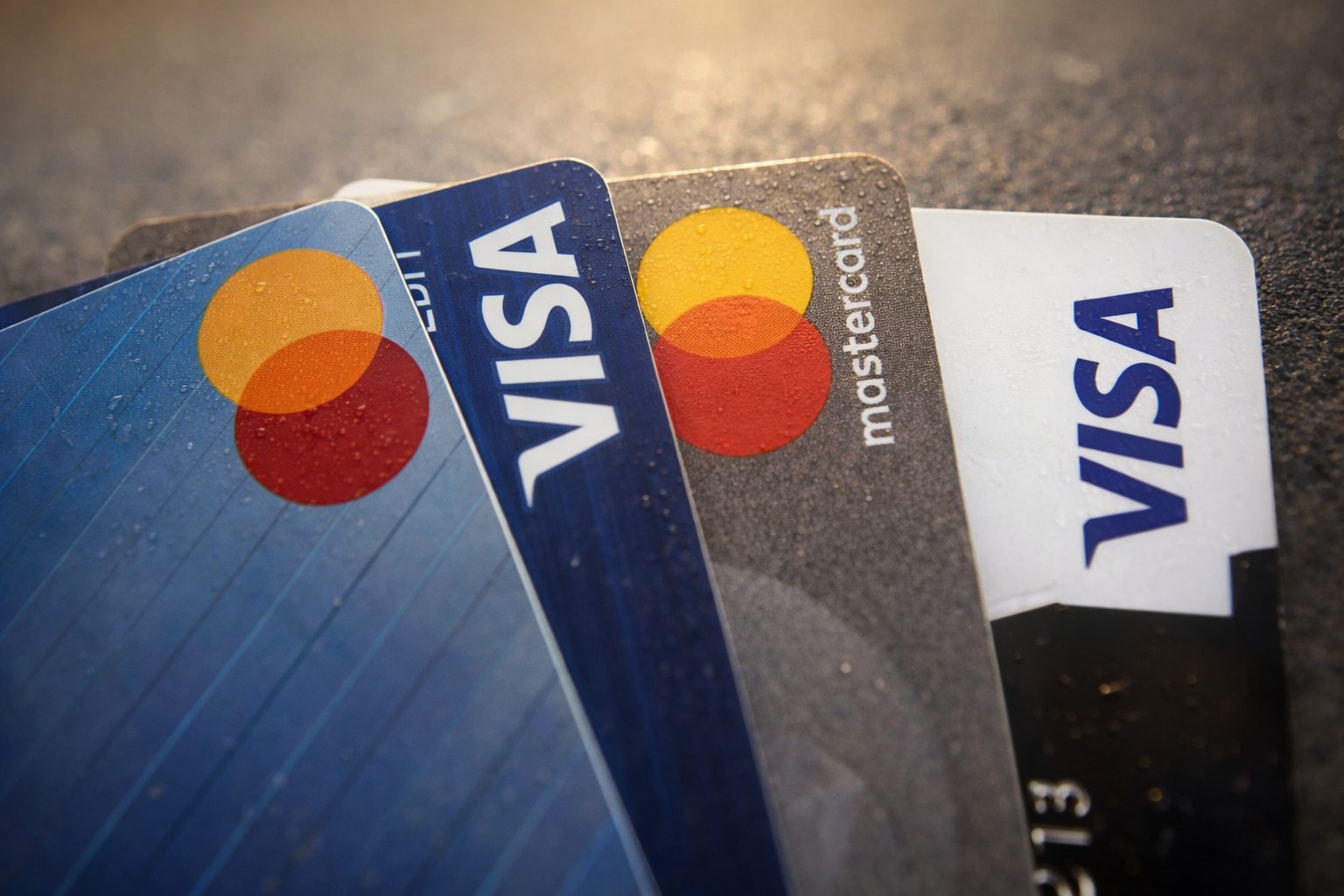
Financial services stocks reopened Tuesday amid uncertainty over card lenders. President Donald Trump has proposed capping credit card interest rates at 10% for one year starting Jan. 20, though he didn’t specify how it would be enforced. Banks quickly pushed back, warning that tighter credit could result. JPMorgan Chase CFO Jeremy Barnum said broad price caps would cause people to “lose access to credit.” Currently, average credit card rates hover around 22%, while U.S. card balances hit $1.23 trillion in Q3. A Vanderbilt University study suggests a 10% cap might save consumers $100 billion annually. The Washington Post
U.S. equity markets are closed Monday in observance of Martin Luther King Jr. Day. That means Tuesday will be the first opportunity for investors to digest the proposal’s implications for banks’ earnings potential.
Risk appetite was shaky heading into the reopen. Global equities dropped while S&P 500 and Nasdaq futures slipped over 1.2% following Trump’s tariff threats against several European nations amid the Greenland dispute. “There is obviously a response (in financial markets) to the new tariff threats,” noted George Lagarias, chief economist at Forvis Mazars. Reuters
The Financial Select Sector SPDR Fund (XLF), which tracks U.S. financial stocks, closed Friday at $54.44. The KBW Nasdaq Bank Index (.BKX) slipped 0.4% to finish at 167.79.
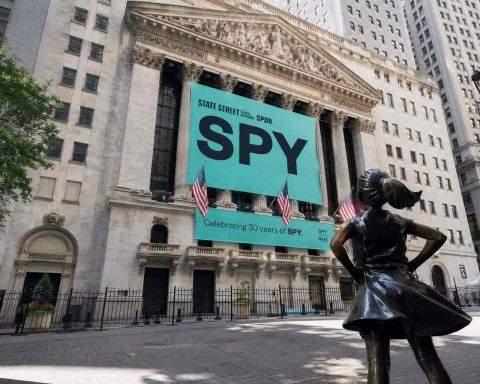
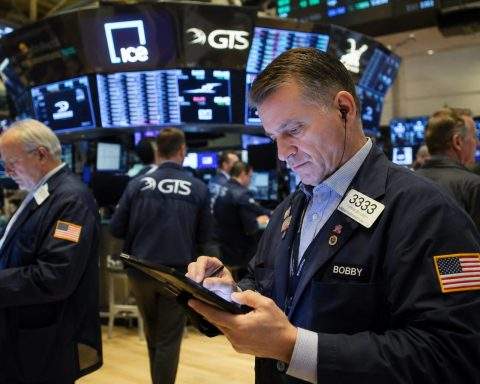
Intercontinental Exchange, which owns the New York Stock Exchange, has launched a new platform for trading and “on-chain” settlement of tokenized securities — digital tokens backed by shares — and is moving to get regulatory approval. The platform promises 24/7 trading, near-instant settlement, and stablecoin backing, ICE said. Stablecoins are crypto tokens pegged to currencies like the dollar. “Tokenization is not a fad,” said Campbell Harvey, a finance professor at Duke University. Reuters
Deal chatter boosted some overseas stocks in the sector. Zurich Insurance proposed an 890-pence-per-share bid for specialty insurer Beazley, pegging the deal at roughly $10.2 billion. Beazley’s shares surged nearly 40% to a record high. Meanwhile, Zurich’s shares dipped 1.4%.
The key driver for U.S. bank and card stocks remains the rate-cap issue. Should it require Congressional approval and get delayed, lenders might enjoy a swift relief rally. But if banks act early to comply or the administration pursues an alternative path, investors will begin pricing in potential reward cuts, stricter credit rules, and increased fees.
The names most at risk are those linked tightly to consumer cards and payments — major issuers, pure-play card lenders, and networks reliant on transaction volume. Traders will zero in on initial signals of “credit quality” (borrowers’ repayment likelihood) and charge-offs, which occur when lenders classify loans as losses.
Earnings and outlook updates are up next. Charles Schwab will report Wednesday, Jan. 21. Capital One is set to webcast its results Thursday, Jan. 22. American Express has its quarterly call on Jan. 30.
On Tuesday, investors are zeroing in on two key issues: how far the rate-cap idea will stretch, and if tariff news will continue to drain funds from economically sensitive sectors like banks. The initial major event is Tuesday’s market reopen, with a wave of financial earnings set to follow midweek.