New York, Jan 19, 2026, 16:49 EST — Market closed.
- Citigroup shares ended the session 0.5% higher, closing at $118.04.
- A proposed 10% cap on credit card interest rates will take effect Jan. 20, though banks are still awaiting clear guidance.
- Separately, NYSE-owner ICE revealed a concept for a tokenized securities trading platform that features support for tokenized deposits, backed by Citigroup.
Citigroup shares (C.N) approach Tuesday’s reopening under renewed pressure, following President Donald Trump’s call to cap credit card interest rates at 10% for one year beginning Jan. 20. The stock closed Friday up 0.5% at $118.04.
The U.S. stock markets remain closed Monday in observance of Martin Luther King Jr. Day, delaying any concrete price action on that proposal until trading resumes Tuesday.
Why this matters now: Credit cards bring big banks solid margins, and a steep rate cap could seriously cut into interest income — the gap between what lenders charge and their funding costs. It might also push banks to overhaul rewards, credit limits, and underwriting just as investors start sizing up 2026 earnings following the initial bank results.
The bigger issue is uncertainty. The White House hasn’t detailed how enforcement would work, leaving banks to debate if a voluntary approach beats getting tangled in daily headline battles.
Analyst Stephen Biggar from Argus Research predicted “an ongoing conversation” between the industry and the administration. Moshe Orenbuch at TD Cowen suggested banks might roll out a lower-rate product, though it would probably have “less robust” features.
Brian Mulberry of Zacks Investment Management put it plainly: policy swings are fueling market volatility. Until banks and regulators lay out a clear roadmap, trading is likely to stay unsettled.
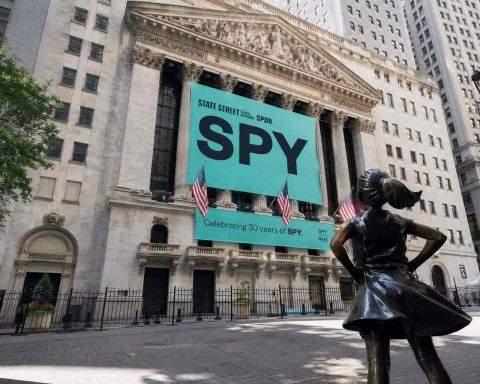
On the other side of the balance sheet, plumbing is driving a fresh catalyst. Intercontinental Exchange (ICE.N), owner of the New York Stock Exchange, announced it has built a platform for trading and “on-chain” settlement of tokenized securities — digital assets recorded on a blockchain. The company plans to pursue regulatory green lights to enable round-the-clock trading. ICE is teaming up with banks like Citigroup and BNY (BK.N) to back tokenized deposits. Duke University finance professor Campbell Harvey dismissed tokenization as “not a fad,” saying the technology “solves problems.” Reuters
For Citi, the question is whether big banks become little more than rails providers—handling custody, payments, and settlement—while crypto takes center stage elsewhere. Plus, this isn’t likely to boost earnings anytime soon. Regulators have yet to give the green light, and adoption could drag or get complicated.
Last week’s earnings showed what still drives stock moves: deal fees, trading swings, and cost control. Citi reported investment banking fees up 35% to $1.29 billion, boosted by a pickup in M&A and capital markets. However, the results included a Russia-related charge from selling its Russian unit. David Wagner at Aptus Capital Advisors called it a “turnaround story” under CEO Jane Fraser, saying Citi is shaking off its laggard tag. Reuters
Citi’s board announced a quarterly common dividend of $0.60 per share, set for payment on Feb. 27 to shareholders on record as of Feb. 2. This move underscores that returning capital stays on the table, assuming regulators remain confident in the bank’s controls.
Rates remain a key factor. The Federal Reserve meets next on Jan. 27-28, and bank stocks usually move based on where traders expect short-term rates and the yield curve to land. That directly impacts net interest income.
Downside risks are evident. If a rate cap hits hard—not just as rhetoric—it could squeeze card profits and tighten credit access, sparking pushback and ongoing political noise. As for tokenization, new platforms still require approvals, and a slip on settlement or custody regulations would quickly dampen interest.
Wall Street reopens Tuesday, and traders will be keen for any clear signals from the administration on how a 10% cap might actually be implemented. They’ll also watch to see if banks move first by rolling out new “no-frills” card options. After that, the next key date is the Fed’s meeting on Jan. 27-28, capped by the policy statement and press conference on Jan. 28.