
New York, January 20, 2026, 10:41 EST — Regular session.
- Front-month Henry Hub futures rose about 20% as late-January cold risks returned to U.S. forecasts
- U.S. Natural Gas Fund (UNG) jumped more than 15% in morning trade; major gas producers gained
- Traders now focus on storage data due Thursday and whether the cold signal holds
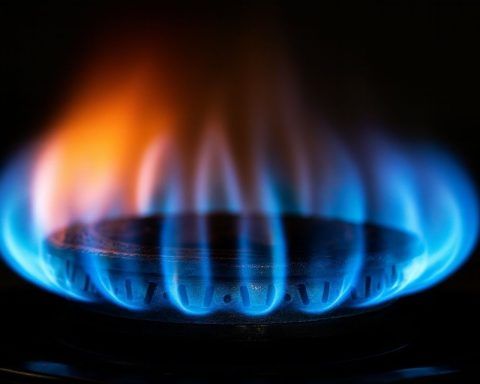
U.S. natural gas prices surged in early Tuesday trading after weather forecasts swung colder for the last week of January, lifting gas-linked funds and U.S. producer stocks. The front-month Henry Hub contract was up about 20% at around $3.74 per million British thermal units (mmBtu).
The move matters because it hits the market where it is most sensitive right now: winter demand expectations. The National Weather Service forecast temperatures 15 to 25 degrees Fahrenheit below average across parts of the Northeast and Midwest through the end of January, and analyst Tom Kloza called the next two weeks “the stiffest test” for regional heating fuel markets in nearly a decade. MarketWatch
Natural gas is the main fuel for U.S. space heating and a major input for power generation, so a colder run can pull more gas out of storage quickly. A mmBtu is a standard energy unit used in U.S. gas trading, and daily price swings can ripple into producer cash flow and utility hedging costs.
Gas-heavy producers outperformed: EQT rose about 1.3%, Range Resources added about 3.2% and Coterra gained roughly 2.9%. Antero Resources climbed about 2.9%, while LNG exporter Cheniere Energy was down about 1.6% in morning trade.
Ole R. Hvalbye, a commodities analyst at SEB, said short-term forecasts “turned colder,” while “feedgas flows remain elevated,” and he pointed to short-covering after the recent sell-off. Phil Flynn, a senior market analyst at PRICE Futures Group, put it more bluntly: “it’s all about the polar vortex.” Rigzone
The speed of the move also reflects how positioning can whip the front end of the curve when traders chase weather-driven demand. Funds and hedgers tend to concentrate in the prompt contract, where pricing reacts first.
But the rally is fragile. A warmer turn in the models can unwind gains fast, and strong supply or any dip in LNG-related demand can blunt the tightening that bulls are betting on.
The next big marker is the U.S. Energy Information Administration’s weekly natural gas storage report, due at 10:30 a.m. Eastern on Thursday, January 22. Traders will also watch the next rounds of weather model updates for confirmation that late-January cold will actually show up.
Related articles: NYSE:UNG